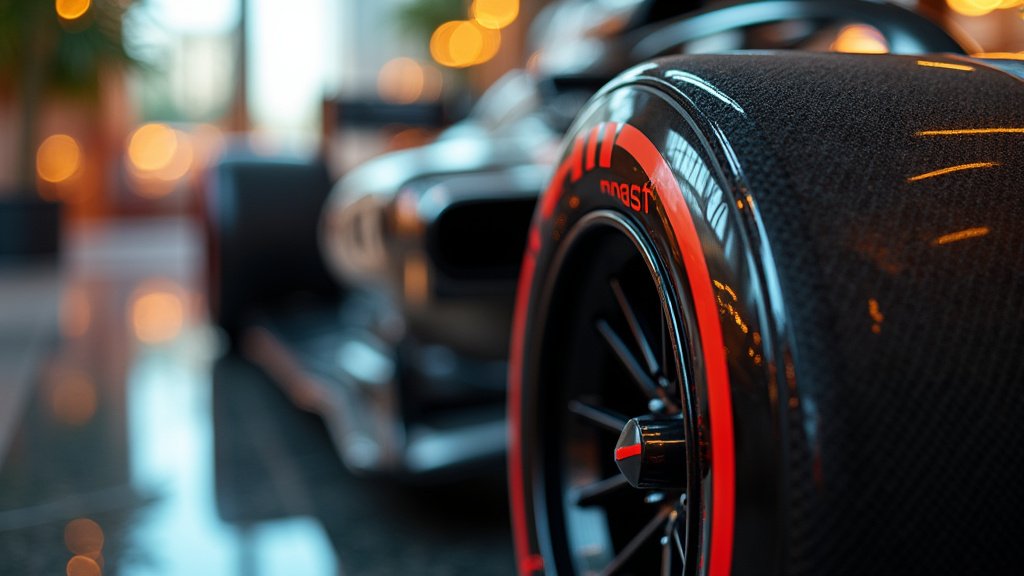
As the roar of engines returns to the Miami International Autodrome, the 2026 Formula One Miami Grand Prix is once again shifting the region’s economy into high gear. With economic projections topping $550 million for this year’s three-day spectacle, the event has cemented itself as a vital engine for local hospitality, job creation, and commercial growth. Beyond the tire smoke and the checkered flag, this annual migration of global capital represents a fundamental evolution in how South Florida markets itself to the world, transforming a single race weekend into a long-term financial catalyst.
Key Highlights:
- $550 million estimated economic impact injected into the South Florida economy for the 2026 event.
- Record-breaking hospitality performance, with hotel occupancy rates exceeding 95% across the Miami-Dade region.
- A strategic 10-year contract extension through 2041, signaling long-term institutional confidence in the Miami market.
- Integration of high-tech infrastructure and urban development projects directly linked to the event’s footprint.
- Shift in visitor demographics, with the average F1 attendee spending significantly more than standard tourist cohorts.
The High-Octane Economy: How F1 Miami Is Reshaping Florida’s Financial Landscape
The Anatomy of a $550 Million Weekend
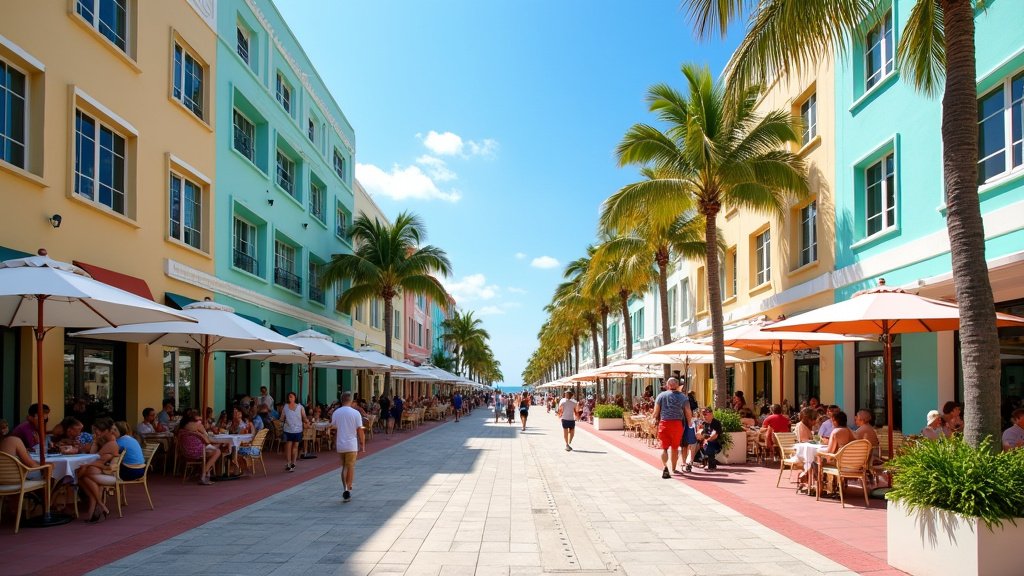
To understand why the Formula One Miami Grand Prix has become a cornerstone of the regional economy, one must look beyond the spectacle of the race itself. The $550 million figure is not merely a reflection of ticket sales; it is an aggregation of direct, indirect, and induced economic activity. In 2026, the influx of international tourists, high-net-worth individuals, and corporate partners has created a ripple effect that touches every corner of the hospitality sector. Hotels, luxury dining establishments, and high-end retail in the Design District and Brickell are reporting revenue surges that rival, and in some cases exceed, peak seasonal periods.
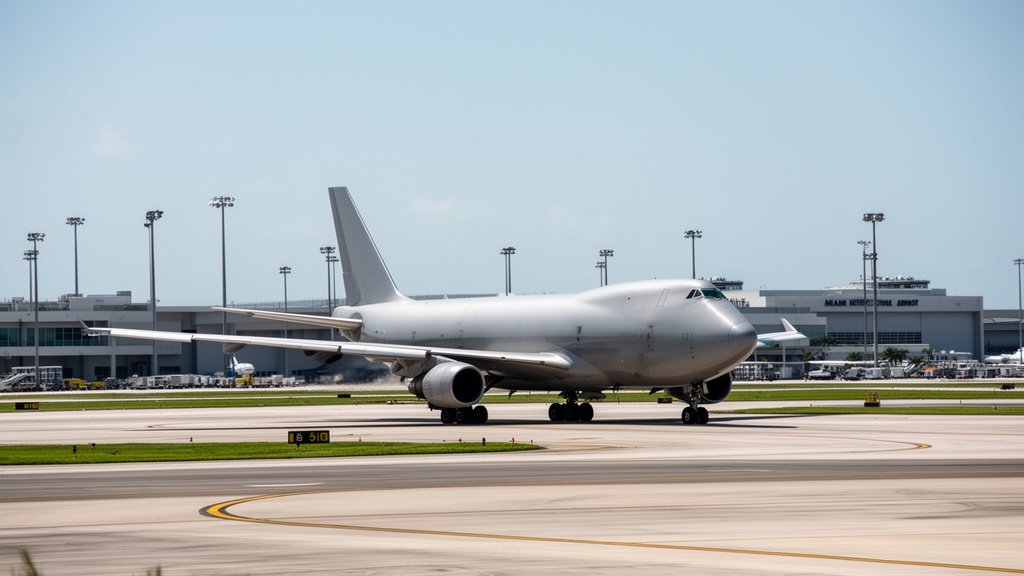
What differentiates the F1 visitor from the traditional Miami tourist is the sheer scale of discretionary spending. Data indicates that race weekend attendees are not merely visiting; they are engaging in a curated, high-end experience that includes private aviation, luxury yacht charters, and invite-only corporate events. This ‘high-velocity’ spending environment is what makes the Grand Prix a premium asset for local businesses. The ecosystem has evolved to capture this capital, with restaurants and clubs now structuring their entire annual revenue models around the first week of May.
Infrastructure as an Economic Anchor
The Hard Rock Stadium, while serving as the heart of the Miami International Autodrome, has become a multi-purpose economic hub. The presence of Formula One has acted as a catalyst for public-private partnerships that extend far beyond the racetrack. We are seeing accelerated investments in transport logistics, road improvements, and sustainable energy grids. The commitment to hosting this event through 2041—the longest-contracted event on the global F1 calendar—provides the certainty required for long-term real estate development. Developers are no longer looking at the race weekend as a standalone event but as a fixed point in the annual calendar, around which they plan residential, commercial, and mixed-use real estate cycles.
This infrastructure boom is particularly notable in Miami Gardens, where the stadium is located. The area has seen a steady increase in property value and commercial interest, driven by the knowledge that the world’s eyes will be on this specific coordinate for at least the next fifteen years. The integration of AI-powered modeling for traffic management and infrastructure efficiency is also turning Miami into a testbed for the ‘smart city’ concepts that Formula One organization promotes, creating a feedback loop where the event drives innovation, and innovation, in turn, makes the event more profitable.
The ‘Halo Effect’ on Global Branding
Perhaps the most intangible but valuable benefit of the Miami Grand Prix is the ‘Halo Effect’ it casts on the city’s global brand. Miami is no longer just a destination for sun, sand, and nightlife; it is now firmly established as a premier global stage for elite sports and entertainment. By aligning with the Formula 1 brand—which is currently seeing unprecedented popularity in the United States thanks to the influence of Liberty Media and aggressive digital marketing—Miami has successfully captured a demographic of younger, wealthier, and more tech-savvy global citizens.
This shift in perception is driving corporate relocations and foreign direct investment. Global corporations are increasingly leveraging the Miami Grand Prix as a venue for high-level summits and networking. When CEOs and venture capitalists from around the world converge on a city for a weekend of racing, the business deals struck in the paddock and private hospitality suites often have a lifespan far longer than the race itself. The race has effectively become a ‘business development festival,’ where the intersection of speed and capital creates unique opportunities for deal-making that would otherwise require months of global travel to coordinate.
Addressing the Sustainability and Challenges
Despite the glowing economic reports, the event is not without its operational challenges. The massive influx of people necessitates rigorous management of resources, from the local electric grid to the city’s already congested transit arteries. Furthermore, as Miami faces the realities of climate change and extreme weather patterns, the event organizers are under pressure to demonstrate that this high-octane weekend can coexist with sustainable city-building.
Experts suggest that the success of the Miami Grand Prix in the coming decade will depend on how effectively the city balances this surge of activity with the everyday needs of its residents. The integration of sustainable technologies and the commitment to legacy projects—such as localized community development funds and training programs for local hospitality workers—will be the metrics by which the event’s true success is measured in the long term. If Miami can prove that a major global sporting event can be both hyper-profitable and socially responsible, it will set a new global standard for host cities worldwide.
FAQ: People Also Ask
Q: How does the economic impact of the Miami Grand Prix compare to a Super Bowl?
A: While a single Super Bowl can inject between $300M and $500M into a host city, the Miami Grand Prix is an annual event. This consistent, yearly windfall creates a predictable revenue stream that allows for more permanent infrastructure and long-term economic planning compared to the one-off nature of the Super Bowl.
Q: How long is the Formula One contract for the Miami Grand Prix?
A: Formula 1 and local organizers have secured a contract that keeps the Miami Grand Prix on the calendar through 2041, marking it as one of the most stable and long-term partnerships in the history of the sport.
Q: What sectors benefit the most from the F1 race weekend?
A: The primary beneficiaries are the hospitality, luxury retail, and high-end dining sectors. Additionally, the real estate and event management industries see significant growth, along with local logistics and transportation providers who manage the massive influx of visitors.
Q: How does the event affect the average resident of Miami?
A: While the event causes localized traffic congestion, it also generates significant tax revenue, drives public infrastructure improvements, and provides thousands of jobs, ranging from hospitality staffing to high-skilled technical and security roles.