The high-octane silence that has gripped the paddock for the past five weeks is finally being shattered in South Florida. As Formula 1 touches down at the Miami International Autodrome for the 2026 Miami Grand Prix, the sport resumes its relentless march, marking the conclusion of a rare, extended spring hiatus. For drivers, engineers, and fans alike, this return is not merely a resumption of racing but the start of a critical development phase where the championship hierarchy—currently established by a dominant Mercedes—will face its first major test of evolution and endurance.
Key Highlights
- Return to Action: F1 resumes after a five-week break, with teams bringing significant aero and mechanical upgrades to the Miami Sprint weekend.
- Mercedes Supremacy: The Silver Arrows enter Miami as the team to beat, having set the benchmark for pace and reliability in the opening three rounds of the 2026 season.
- Regulatory Refinements: Following a period of criticism, the FIA has implemented tweaks to the 2026 technical regulations, which will be put to the test during an extended Friday practice session.
- The Sprint Factor: The Miami Grand Prix features the high-stakes Sprint format, leaving teams with minimal time to dial in their setups before the grid for the main event is finalized.
The Engineering War: Life During the Hiatus
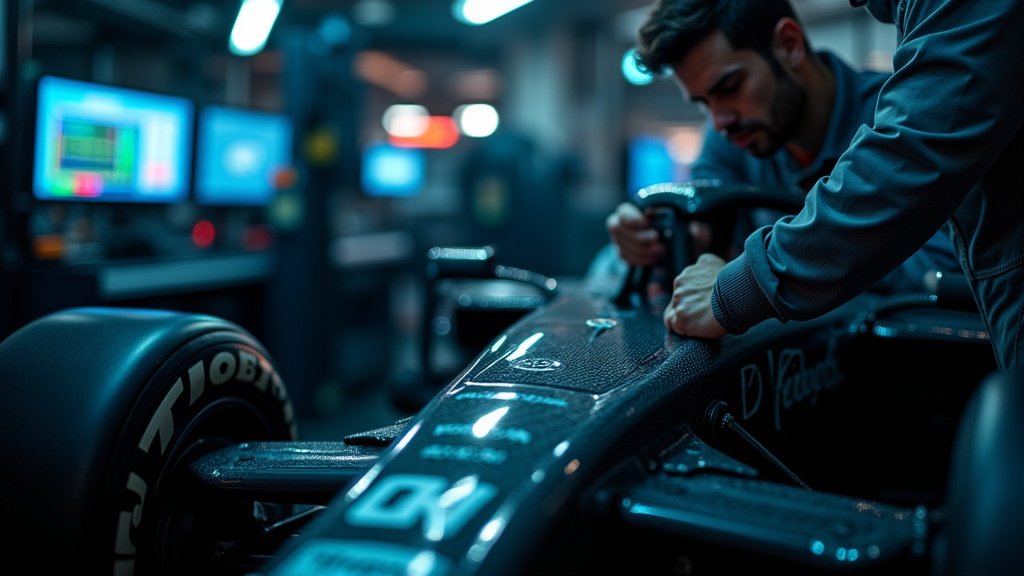
While the circuit lights were dimmed for the last month, the factories in Brackley, Milton Keynes, and Maranello were working at a fever pitch. In Formula 1, a five-week break is an eternity—long enough to turn the tide of a season. The 2026 calendar, which mandated this unusual gap to accommodate global logistics and the introduction of new sustainable fuel standards, has inadvertently gifted the teams an mid-season “pre-season” window.
The Development Sprint
For teams like Ferrari and the struggling Red Bull Racing outfit, this break was a lifeline. Red Bull, in particular, has faced intense scrutiny regarding the RB22’s handling characteristics. Reports from the paddock suggest that engineers have spent the last 30 days analyzing telemetry data from the initial flyaway rounds to address mechanical issues that have hampered Max Verstappen’s ability to challenge the leaders. The narrative heading into Miami is whether these aerodynamic and suspension modifications will bridge the gap to the current leaders.
Conversely, Mercedes has reportedly taken a more conservative approach, focusing on refinement rather than revolution. By focusing on maximizing the efficiency of their current chassis, they hope to preserve their championship lead while allowing the rest of the field to cannibalize each other in their desperate push for performance.
Technical Tensions and FIA Oversight
One of the most significant variables for the Miami weekend is the implementation of modified technical regulations. Throughout the first three races of the 2026 season, drivers expressed concerns regarding the car’s behavior in turbulent air and the efficacy of the new sustainable fuels on engine combustion stability. The FIA has listened, and teams are now operating under refined directives designed to balance competition and safety.
Extended Practice Sessions
The regulatory tweaks are not just on paper; they have changed the weekend’s operational flow. To help teams adapt to these changes, the FIA has extended the Friday practice sessions by 30 minutes. This is a crucial, if small, concession. In a sprint format, where every lap counts and setup time is aggressively condensed, an extra half-hour of data acquisition can be the difference between a podium finish and a mid-pack struggle. Engineers will be watching tire degradation and cooling efficiency with extreme scrutiny, as the high-temperature Miami asphalt creates a unique environment that punishes cars pushed to their thermal limits.
The Miami Spectacle: High Stakes on the Hardtop
Miami has established itself as the crown jewel of the North American leg of the F1 calendar, and the 2026 edition promises to be no different. The temporary circuit surrounding the stadium is notoriously demanding, characterized by long, high-speed straights that transition into tight, technical technical sections. This “stop-start” nature of the track rewards cars with both high top-end speed and exceptional mechanical grip.
The Sprint Format Strategy
Because Miami is hosting a Sprint weekend, the intensity is ramped up from the first session. On Saturday, the Sprint race will provide a massive, 100km stress test for the updated components brought by teams. More importantly, it forces teams to play a strategic gamble: do they prioritize a setup that is fast over a single lap for qualifying, or one that manages tire wear over the longer, grueling distance of Sunday’s Grand Prix? The, often, unpredictable nature of Miami’s track surface—prone to dust and temperature swings—means that the grid could look drastically different by the time the race concludes on Sunday.
FAQ: People Also Ask
Why was there a five-week break in the 2026 F1 calendar?
The break was primarily caused by adjustments to the 2026 race calendar, specifically the removal and rescheduling of certain Middle Eastern rounds, creating a unique gap that allowed teams more time for development and freight consolidation.
What is the Sprint format, and why is it used in Miami?
The Sprint format replaces one practice session with a short-distance, high-intensity race on Saturday. It is used in Miami to maximize engagement and ensure that fans get competitive, non-qualifying racing action on all three days of the weekend.
Which team is leading the 2026 Constructors’ Championship?
Coming into the Miami Grand Prix, Mercedes currently leads the Constructors’ Championship, having established a strong competitive advantage in the opening rounds of the 2026 season.
How do technical regulation changes affect team performance in Miami?
Regulation changes regarding aerodynamic load and engine fuel mapping force teams to adjust their car setups. Because Miami offers limited practice time, teams that have simulated these changes accurately in their factories during the break are likely to have a performance advantage.
Is this the first time Formula 1 has raced in Miami?
No, the Miami Grand Prix made its debut in 2022. It has since become a permanent fixture on the calendar, known for its high-profile atmosphere and unique circuit design around the Hard Rock Stadium.