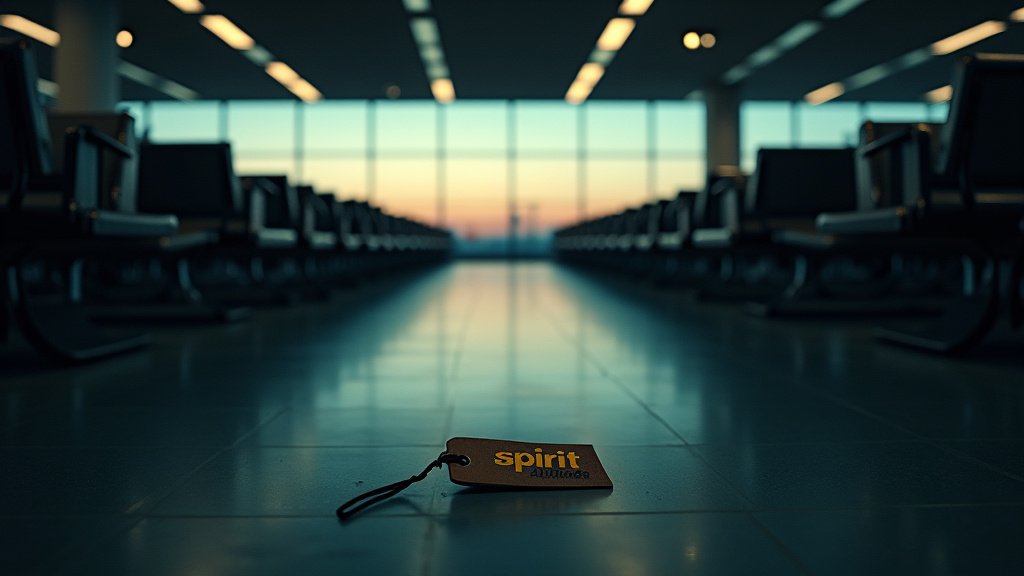
Spirit Airlines is reportedly on the brink of ceasing operations, with crucial bailout discussions having collapsed, signaling a potential end for the ultra-low-cost carrier. The airline has been grappling with significant financial distress.
Key Highlights:
- Spirit Airlines’ future is in jeopardy as bailout negotiations have reportedly failed.
- The collapse of these talks could lead to the immediate cessation of the airline’s operations.
- This situation highlights the severe financial challenges facing Spirit Airlines.
- The airline has been under intense scrutiny regarding its financial stability and operational viability.
The Unraveling of Spirit Airlines
Financial Distress and Desperate Measures
Spirit Airlines, long known for its budget-friendly fares, has found itself in a precarious financial position. Years of intense competition, rising operational costs, and a challenging economic climate have taken their toll. In a bid to secure its survival, the airline had been actively pursuing a bailout package. These negotiations were seen as a last-ditch effort to inject much-needed capital and stave off potential bankruptcy or a complete shutdown. The news that these talks have collapsed casts a dark shadow over the company’s immediate future, suggesting that a cease of operations may be imminent.
Stakeholders and Collapsed Negotiations
The negotiations involved various stakeholders, including potential investors, lenders, and possibly government entities, all of whom were crucial in determining whether Spirit could secure the funding necessary to continue flying. The reasons for the collapse are not yet fully detailed, but such failures typically stem from irreconcilable differences over terms, valuation, or the amount of capital required versus what investors are willing to provide. For Spirit, this failure means the lifeline they were desperately seeking has been severed, leaving them with limited viable options.
Impact on the Aviation Industry and Consumers
The potential grounding of Spirit Airlines would send ripples throughout the aviation sector. As an ultra-low-cost carrier, Spirit serves a specific segment of the market, offering affordable travel options that many consumers rely on. Its absence would reduce competition, potentially leading to higher fares on routes it previously served. Furthermore, employees of Spirit Airlines face immense uncertainty regarding their jobs and livelihoods. The airline employs thousands of people across various roles, from pilots and flight attendants to ground crew and administrative staff. The fallout from a shutdown would be significant for these individuals and their families.
Regulatory Scrutiny and Market Dynamics
Spirit Airlines, like all carriers, operates within a heavily regulated industry. The company’s financial struggles have likely attracted the attention of regulatory bodies, such as the Department of Transportation, concerning its ability to meet its obligations to passengers and creditors. The broader market dynamics also play a critical role. The airline industry is notoriously volatile, with thin profit margins and high fixed costs. Spirit’s challenges are symptomatic of these pressures, exacerbated by its specific business model and management decisions over time.
FAQ: People Also Ask
What is Spirit Airlines known for?
Spirit Airlines is primarily known for being an ultra-low-cost carrier (ULCC) in the United States. It offers significantly lower base fares for flights compared to traditional airlines, but typically charges extra for services such as checked baggage, carry-on baggage, seat selection, and even printing a boarding pass at the airport. This