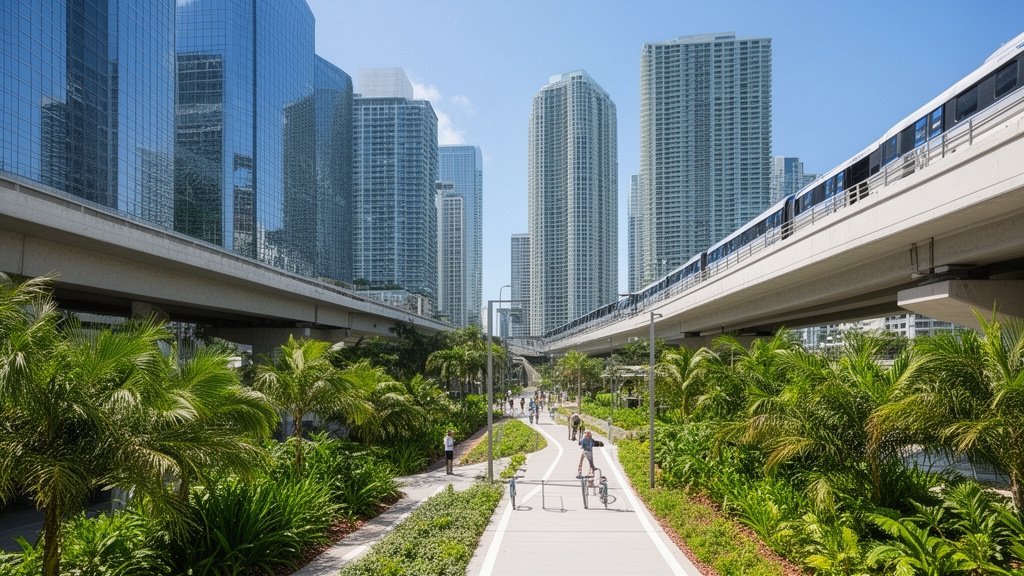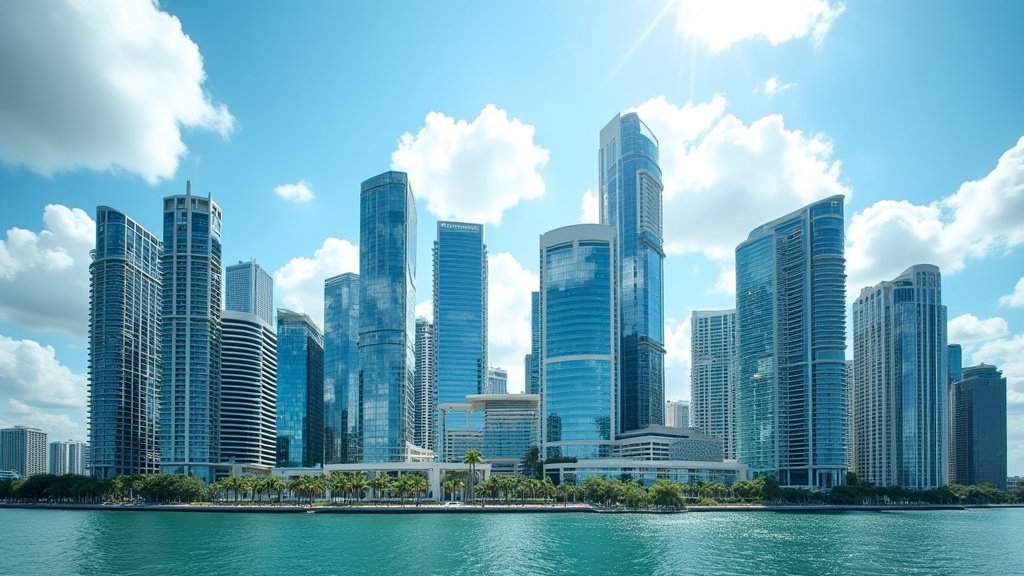
Howard Schultz, the former CEO of Starbucks, is reportedly investing in Miami, joining a growing wave of high-net-worth individuals relocating to the South Florida city. This influx signals a significant shift in wealth and influence towards Miami, with potential implications for its economy, real estate market, and cultural landscape.
Key Highlights:
- Howard Schultz, a prominent business figure, is making significant investments in Miami.
- He joins a notable group of billionaires and wealthy individuals drawn to the city.
- The migration trend suggests Miami’s growing appeal as a hub for wealth and business.
- This influx could impact local economies, real estate values, and the city’s overall dynamic.
Miami’s Magnetic Pull for the Ultra-Wealthy
The allure of Miami for the ultra-wealthy is undeniable, with tax advantages, a favorable business climate, and a vibrant lifestyle acting as powerful magnets. Howard Schultz’s decision to join this migration is a testament to the city’s evolving status, moving beyond a tourist destination to become a serious contender on the global stage for wealth management and innovation. The narrative of Schultz, a figure synonymous with scaling a global brand from humble beginnings, choosing Miami adds a significant chapter to the city’s transformation. This trend is not merely about personal relocation; it represents a substantial capital inflow and a diversification of the local economy, potentially fostering new industries and job creation. The concentration of wealth can spur demand for luxury goods and services, but also raises questions about affordability and accessibility for long-term residents.
The Economic Ripple Effect
The economic implications of this billionaire migration are multifaceted. Increased investment in real estate is a given, likely driving up property values and rents, which could create challenges for middle and lower-income residents. However, the influx also brings opportunities. These new residents often bring entrepreneurial spirit and capital, potentially launching new businesses or investing in existing ones. Schultz’s involvement, in particular, could signal interest in sectors beyond real estate, such as technology, finance, or even hospitality, given his background. The local tax base is also likely to benefit, providing more resources for public services and infrastructure development. The key will be how these benefits are managed to ensure inclusive growth.
Beyond Real Estate: Diversifying Miami’s Appeal
While real estate is often the most visible indicator of wealth migration, the interests of individuals like Schultz often extend further. Miami’s appeal is increasingly being shaped by its burgeoning tech scene, its role as a gateway to Latin America, and its growing cultural influence. The presence of established business leaders can attract talent, foster innovation, and create a more robust ecosystem for startups and established companies alike. This diversification is crucial for sustainable growth, moving Miami beyond its traditional economic drivers. The city’s subtropical climate and cosmopolitan atmosphere also play a significant role, offering a lifestyle that many find highly attractive compared to more traditional financial centers.
Navigating the Challenges of Growth
Rapid growth and wealth concentration inevitably bring challenges. Ensuring that Miami’s development is sustainable and inclusive is paramount. Concerns about infrastructure strain, environmental impact, and the preservation of community character need to be addressed proactively. The city must balance attracting investment with maintaining its unique identity and ensuring a high quality of life for all its residents. Policy decisions regarding zoning, affordable housing, and public transportation will be critical in shaping the long-term outcome of this migration.
FAQ: People Also Ask
Why are billionaires moving to Miami?
Billionaires are drawn to Miami for a combination of reasons, including lower taxes compared to states like New York and California, a business-friendly environment, a growing tech and finance sector, a vibrant cultural scene, and a desirable climate and lifestyle.
What impact does this migration have on Miami’s economy?
The economic impact is significant, leading to increased real estate values, job creation in sectors catering to high-net-worth individuals, and a boost to the local tax base. It also presents challenges related to affordability and potential gentrification.
Is Howard Schultz the only famous person moving to Miami?
Howard Schultz is one of many prominent figures, including other business leaders and celebrities, who have been drawn to Miami in recent years. The trend reflects a broader movement of wealth and talent to the city.
How is Miami adapting to the influx of wealthy residents?
The city is experiencing rapid development and investment. Efforts are underway to address infrastructure needs, manage real estate growth, and foster a more diverse economy, though challenges in affordability and accessibility persist.
What does this migration mean for Miami’s future?
It signifies Miami’s emergence as a major global hub for business, finance, and culture, attracting significant capital and talent. The long-term success will depend on managing growth sustainably and inclusively.