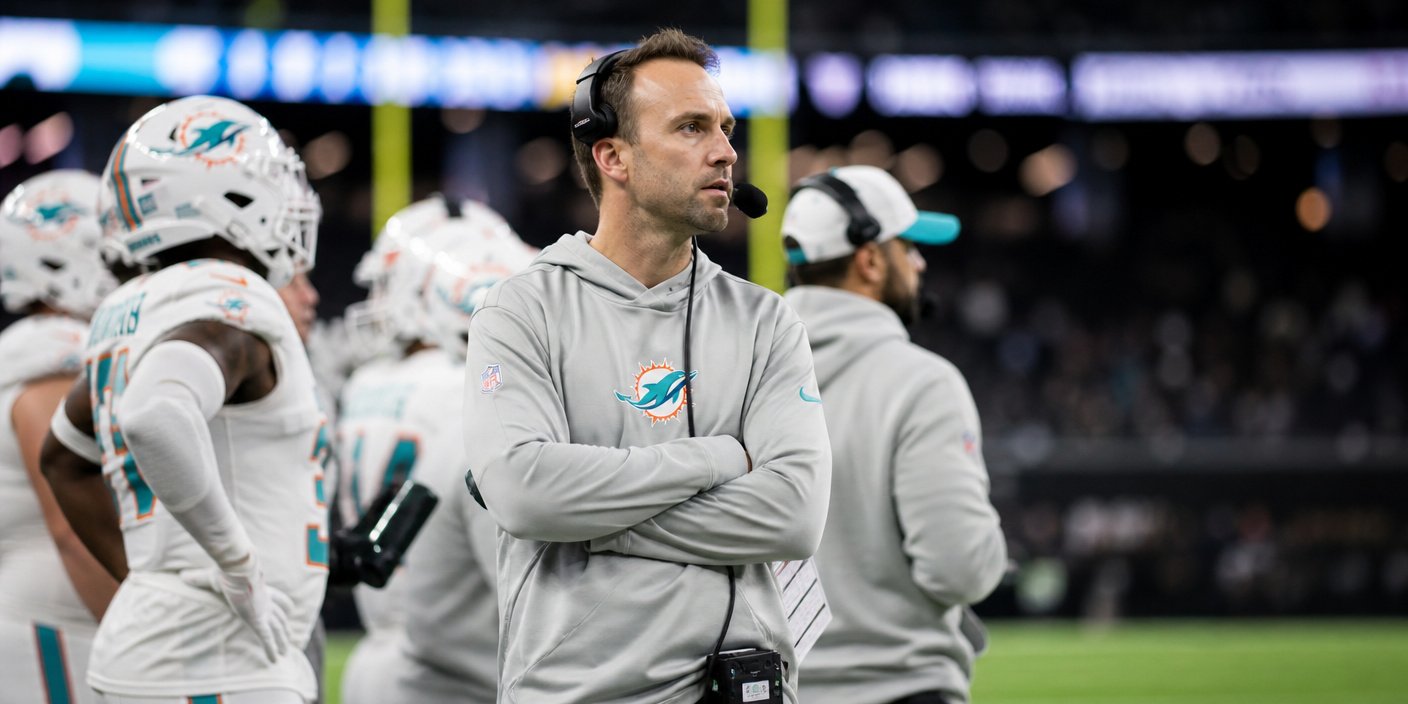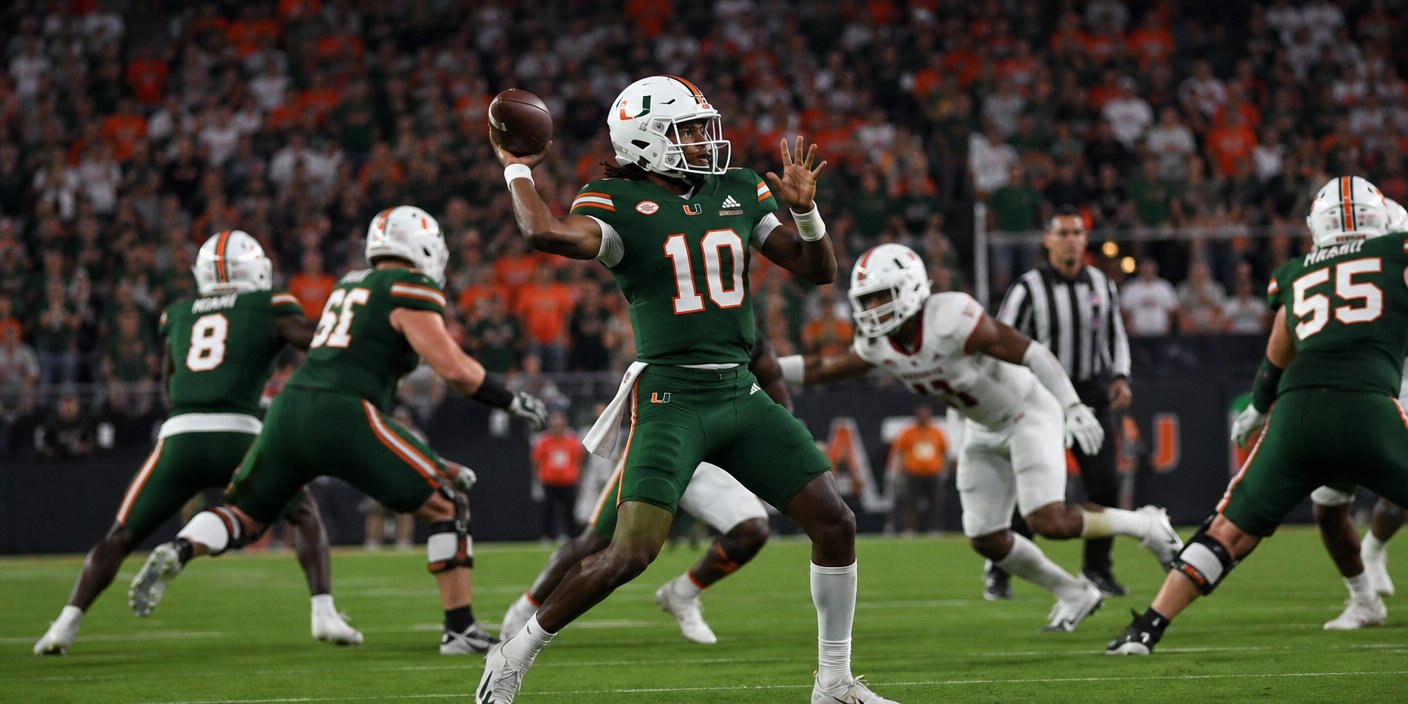
The Miami Dolphins have made a stunning decision to release quarterback Tua Tagovailoa, a move that will saddle the franchise with an astronomical $99 million dead cap hit. This unprecedented financial commitment underscores the team’s drastic pivot at the most crucial position in the sport.
Key Highlights:
- Tua Tagovailoa is officially released by the Miami Dolphins.
- The team will incur a $99 million dead cap hit, one of the largest in NFL history.
- This decision signals a significant shift in the Dolphins’ long-term quarterback strategy.
- Financial implications of the dead cap hit will heavily impact the team’s future spending.
Tagovailoa’s Dolphins Tenure Ends Abruptly
The era of Tua Tagovailoa under center for the Miami Dolphins has come to an unexpected and financially crippling end. The decision to release the former first-round pick, reportedly due to a combination of on-field performance and injury concerns, will send shockwaves through the league. The staggering $99 million dead cap hit represents a massive financial burden, the likes of which few teams have ever had to absorb. This figure will significantly hamper the Dolphins’ ability to maneuver in free agency and the draft for the foreseeable future, limiting their flexibility in building a championship-contending roster.
The Financial Fallout
The $99 million dead cap hit is not merely a number; it’s a tangible obstacle to the Dolphins’ aspirations. This amount will be spread across the current and future salary caps, severely restricting the team’s spending power. It effectively means the Dolphins will be paying a significant sum for a player who is no longer on their roster. This financial albatross will require meticulous salary cap management and potentially difficult decisions regarding other key players. The team’s front office will need to demonstrate exceptional skill in navigating these constraints to remain competitive.
On-Field Performance and Injury Concerns
Tagovailoa’s tenure with the Dolphins was marked by flashes of brilliance interspersed with periods of inconsistency and, critically, significant injury concerns. While he demonstrated the ability to lead the offense and connect on deep passes, questions about his durability and ability to withstand the physical demands of an NFL season persisted. The team’s decision to move on, despite the immense financial penalty, suggests that these concerns ultimately outweighed the potential benefits of keeping him on the roster. This highlights the difficult balance teams must strike between talent evaluation and risk assessment, particularly at the quarterback position.
Strategic Re-evaluation
This release forces the Dolphins into a comprehensive re-evaluation of their quarterback strategy. With Tagovailoa gone and a massive cap hit to manage, the team must now look for a new long-term solution. This could involve seeking a veteran free agent, trading for another established quarterback, or investing another high draft pick. Each path presents its own set of challenges and financial considerations. The organization’s commitment to winning a Super Bowl will be tested as they attempt to navigate this new quarterback landscape.
League-Wide Impact and Precedent
The sheer magnitude of the dead cap hit for releasing Tagovailoa sets a new, albeit cautionary, precedent in the NFL. While teams often incur dead cap penalties, $99 million is an extraordinary figure. It serves as a stark warning about the financial ramifications of quarterback decisions, contract structures, and the potential for massive financial repercussions when a high-profile player is released. Other franchises will undoubtedly study this situation closely as they manage their own quarterback situations and salary cap complexities.
FAQ: People Also Ask
What is a dead cap hit?
A dead cap hit refers to the amount of salary cap space a team loses when they release a player who has already received guaranteed money in their contract. This money counts against the salary cap even though the player is no longer on the team.
Why would a team incur such a large dead cap hit?
Teams typically incur large dead cap hits when they release veteran players who have signed lucrative, multi-year contracts with significant guaranteed money. This often happens when a team decides to move on from a player before the end of their contract, either due to performance, injury, or a change in team philosophy.
How will this affect the Dolphins’ future?
The $99 million dead cap hit will severely limit the Miami Dolphins’ financial flexibility for the current and potentially future seasons. It will restrict their ability to sign high-priced free agents and may force them to make difficult decisions about retaining other existing players due to cap constraints.
What are the Dolphins’ options at quarterback now?
With Tua Tagovailoa released, the Dolphins will need to find a new starting quarterback. Their options include pursuing free agents, trading for a quarterback, or drafting a new signal-caller in the upcoming NFL Draft. The team’s strategy will depend on their assessment of the available talent and their willingness to absorb further financial commitments.
Has any team had a dead cap hit this large before?
While dead cap hits are common, a figure as large as $99 million is exceptionally rare and potentially unprecedented in its magnitude for a single player release. It signifies a significant financial commitment that has become a liability for the team.