Miami-Dade County is currently navigating a period of intense transition, one that is frequently misunderstood by external observers and even some of its own residents. While headlines dominate the discourse with the inevitable friction of growth—specifically traffic congestion and the rapid escalation of housing costs—a deeper analysis reveals a region undergoing a profound structural evolution. Behind the daily complaints lies a narrative of resilience, innovation, and an unexpected economic maturation that positions the county as a leader in the next decade of American commerce.
Key Highlights
- Economic Maturation: Miami-Dade has successfully transitioned from a tourism-heavy economy to a legitimate financial and technology hub, marked by the arrival of major firms like Citadel and various high-growth startups.
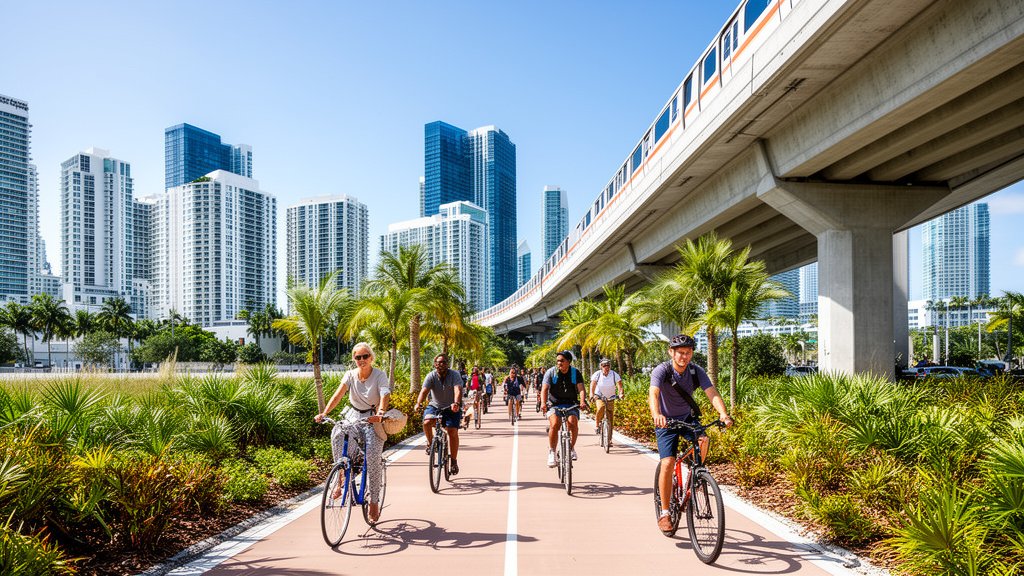
- Infrastructure Renaissance: Projects like The Underline and the expansion of the Brightline rail service are actively redefining urban mobility and public space usage, countering the narrative of stagnant transit.
- Strategic Growth: Despite the undeniable strain of affordability, the region has maintained low unemployment rates and consistent GDP growth, outperforming many national benchmarks.
- The ‘Magic City’ Evolution: A shift in focus toward cultural density and sustainable development is proving that Miami-Dade is building for longevity, not just quick-profit expansion.
The Architecture of Miami-Dade’s Quiet Success
The perception of Miami-Dade is often trapped in a time capsule of the 1980s or, more recently, the post-pandemic migration surge. However, the ground truth of the region is far more sophisticated. The county is not merely expanding; it is re-engineering its identity. When we look past the surface-level frustrations that naturally accompany rapid growth, we see an environment that is attracting top-tier talent, significant capital, and massive infrastructure investment.
The Corporate Migration and Economic Shift
One cannot discuss the current state of Miami-Dade without acknowledging the “Wall Street of the South” phenomenon. The influx of financial institutions, most notably Citadel, has catalyzed a secondary boom in the service, legal, and tech sectors. According to recent economic indicators, this is not a transient trend but a structural shift. This corporate migration has diversified the local economy, reducing its historical dependence on tourism. While the Greater Miami Convention & Visitors Bureau reports record-breaking tourism numbers, the stability of the local economy is now bolstered by high-salary white-collar roles that did not exist in the region a decade ago. This diversification provides a shock absorber against the inevitable cyclical downturns of the hospitality industry.
Infrastructure: Building for the Future
Perhaps the most compelling argument for pride in Miami-Dade is the visible commitment to long-term infrastructure. The Underline, a 10-mile linear park and urban trail, is a perfect case study. It transforms underutilized space beneath the Metrorail into a vibrant community asset, prioritizing pedestrian and cyclist life in a city historically designed for cars. Simultaneously, the Brightline expansion—connecting Miami to Orlando—has bridged the gap between the state’s primary economic engines. These are not stop-gap measures; they are foundational projects that signal a long-term investment in how residents interact with their environment. While traffic remains a hurdle, these projects represent the first concrete steps toward a post-automobile-dependency future.
Confronting the Affordability Reality
It would be dishonest to ignore the challenges. The cost of living in Miami-Dade has risen sharply, putting immense pressure on the workforce. However, acknowledging this struggle should not obscure the county’s other achievements. In many ways, the rising costs are a byproduct of the region’s desirability. Local municipalities are currently grappling with zoning reforms and affordable housing mandates. The key to the county’s future success will be balancing this rapid corporate and economic expansion with policies that ensure the existing population is not priced out of the prosperity they helped build. The fact that this conversation is happening openly in town halls and legislative sessions is a sign of a functioning, responsive government, rather than a failing one.
A Culture of Persistence
The narrative of “negative media” often stems from the high visibility of Miami’s growing pains. Yet, if one spends time in neighborhoods outside of the tourist zones—in places like Little Havana, the developing districts of Overtown, or the creative hubs in Wynwood—the energy is palpable. There is a persistent, industrious spirit that defines the resident experience. It is a community that embraces challenges with a “can-do” attitude, fostered by a diverse, international population that views change as an opportunity rather than a threat. This collective mindset is perhaps the county’s greatest asset, far outweighing the superficial grievances that drive click-bait journalism.
FAQ: People Also Ask
Q: What is the biggest economic driver in Miami-Dade right now?
A: While tourism remains a pillar, the region has rapidly diversified into finance, tech, and healthcare. The relocation of major financial firms and the growth of the tech sector have made these industries massive drivers of local GDP and job growth.
Q: How is the traffic situation being addressed in Miami-Dade?
A: Beyond new road projects, the focus has shifted to mass transit solutions. The Brightline expansion, the ongoing completion of The Underline, and continued investment in the Metrorail system suggest a move toward multimodal transit, though major traffic relief remains a long-term goal.
Q: Is Miami-Dade still affordable for middle-class families?
A: Housing affordability is the county’s greatest challenge. While the region offers significant economic opportunity, the median home prices and rental rates have surged. Local government is currently exploring various density and zoning initiatives to address supply-side issues, but it remains a complex issue for residents.
Q: Why is there such a disparity between media coverage and local sentiment?
A: Media often focuses on the acute pain points—traffic, rent, and tourism crowding—because they generate engagement. Local sentiment, however, is often rooted in the tangible improvements in quality of life, cultural vibrancy, and economic opportunity that residents experience daily.