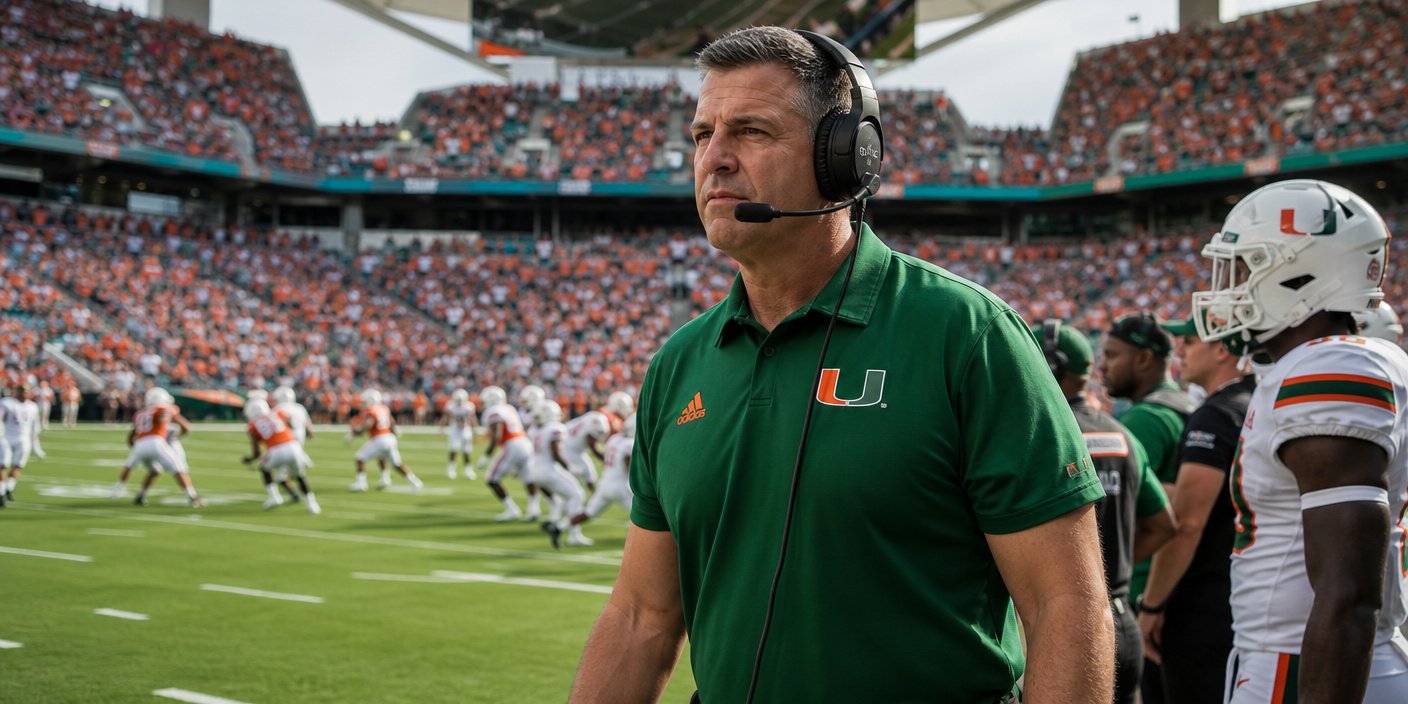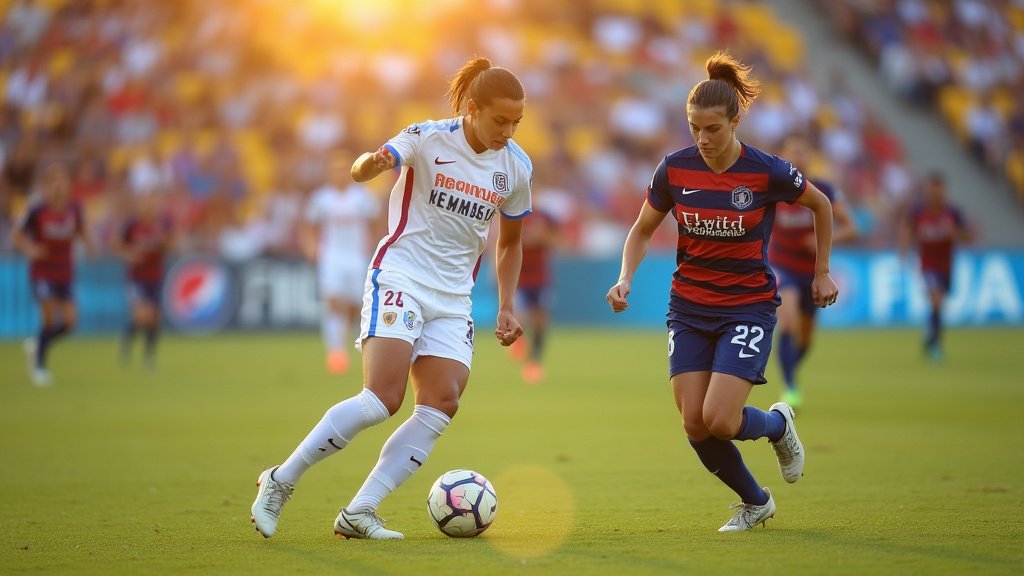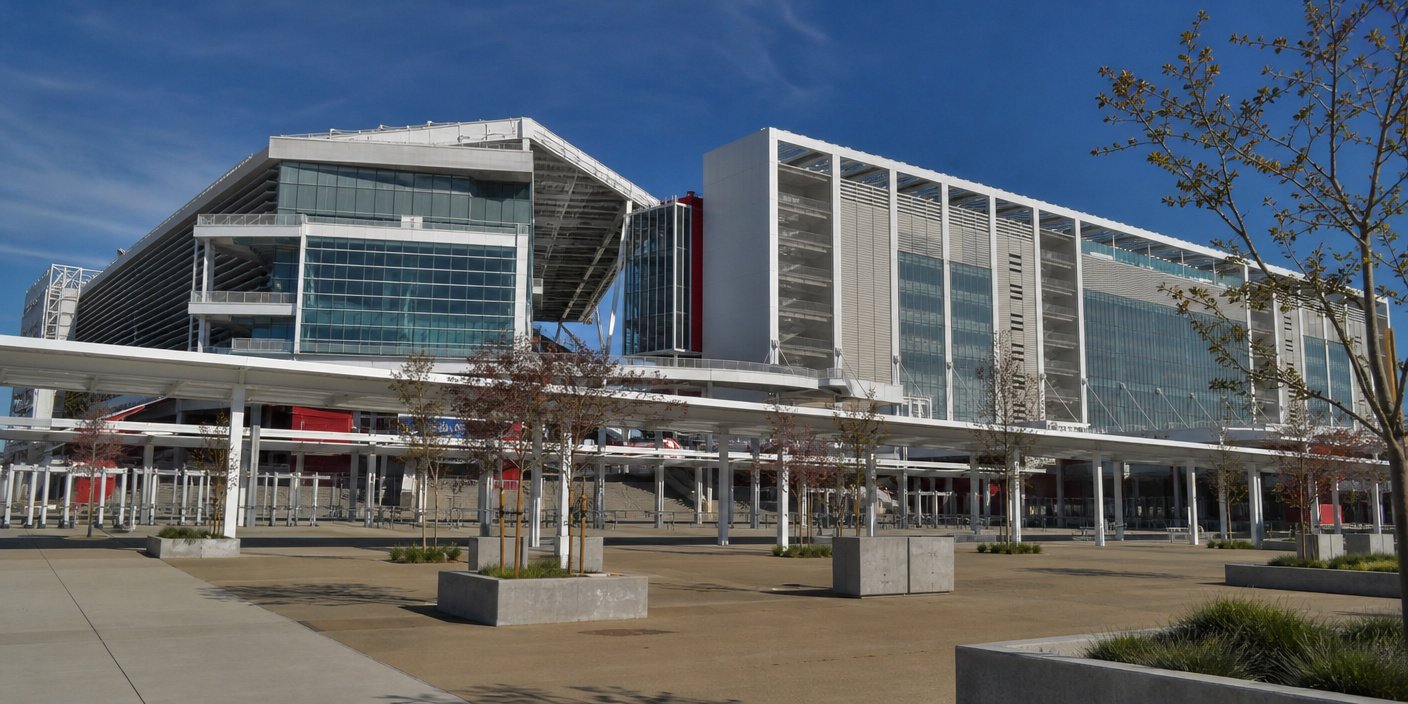
University of Miami Athletics and Boost Mobile have officially entered into a first-of-its-kind sponsorship agreement, designating Boost Mobile as the exclusive wireless communications partner for the Miami Hurricanes. This strategic alliance goes beyond traditional logo placement, introducing a novel utility-based model where Hurricanes fans can actively contribute to the football team’s NIL (Name, Image, and Likeness) funding simply by managing their monthly mobile service accounts.
Key Highlights
- Official Partnership: Boost Mobile is now the exclusive wireless communications provider for the University of Miami Athletics, linking a major telecommunications brand with a Power Four athletic program.
- Fan-Driven Funding: The initiative allows Hurricanes supporters to participate in a revenue-sharing ecosystem, where a portion of their monthly mobile bill is directed toward NIL opportunities for student-athletes.
- Direct Engagement: This partnership simplifies the donation process, bridging the gap between passive fan loyalty and active financial support for the roster.
The New Economics of Collegiate Sports
The landscape of American collegiate athletics has shifted seismically following the introduction of Name, Image, and Likeness (NIL) regulations. Traditionally, universities relied on deep-pocketed boosters and alumni collectives to maintain competitive rosters. The collaboration between the University of Miami and Boost Mobile represents a distinct pivot toward ‘democratized funding,’ where the collective support of the broader fanbase replaces the exclusive reliance on a handful of ultra-high-net-worth donors. By embedding NIL contributions into the mundane utility of a smartphone plan, Miami and Boost Mobile are gamifying financial support, turning a monthly expense into a badge of fandom.
The Mechanics of the ‘Boost’ Model
This partnership operates on a simple, efficient premise. When fans switch their wireless service to Boost Mobile under this specific program, they are not merely upgrading their carrier; they are signing on as micro-sponsors of the team. The specific mechanism involves a redirection of revenue, where the financial friction of donating is removed. Instead of manually navigating payment portals or contributing to private collectives, the fan’s regular behavior—paying for mobile connectivity—now serves a dual purpose. This is a critical development because it creates a recurring revenue stream for student-athletes that is far more predictable than one-off donations or seasonal merchandise sales.
Telecommunications and the NIL Arms Race
Why are telecommunications companies, specifically Boost Mobile, flocking to the NIL space? The answer lies in demographic alignment. The 18-to-24-year-old demographic—the primary market for collegiate sports—is also the most valuable segment for mobile providers. By positioning itself within the Miami Hurricanes ecosystem, Boost Mobile gains authentic touchpoints with a hyper-engaged audience. This is not just about brand awareness; it is about acquisition. For the University of Miami, the partnership provides the university’s collective with a consistent, long-term funding source, allowing the football program to retain talent and recruit high-profile players in an increasingly expensive transfer portal environment.
A Blueprint for the Future of College Athletics
If this experiment proves successful, it could signal a mass migration away from traditional sponsorship models. We are moving toward an era where every major utility provider—from insurance companies to energy suppliers—could theoretically offer ‘team-branded’ plans where loyalty is incentivized by tangible team success. The Miami Hurricanes, often considered pioneers in marketing and branding within college football, are once again setting the pace. Critics may argue that this complicates the purity of collegiate sport, but proponents suggest it provides a sustainable, transparent path for student-athletes to benefit from the massive revenue they generate for their institutions. This model effectively transforms the fan from a spectator into a venture capitalist for the program they love.
FAQ: People Also Ask
Q: How does my mobile bill help the Miami Hurricanes?
A: When you enroll in the program through Boost Mobile, a designated portion of your monthly plan payment is allocated toward the Hurricanes’ NIL initiatives. This provides a direct, recurring revenue stream to support student-athletes.
Q: Is this available to all fans or just alumni?
A: The program is designed to be accessible to all Hurricanes fans, regardless of their alumni status. The goal is to capture the widest possible support base to maximize the NIL funding potential.
Q: Does this sponsorship replace traditional donors?
A: No, it does not replace them. Instead, it serves as a supplement. While traditional donors continue to provide large-scale, one-time capital, the Boost Mobile model provides a consistent, high-volume “micro-funding” stream that helps stabilize the program’s long-term financial health.