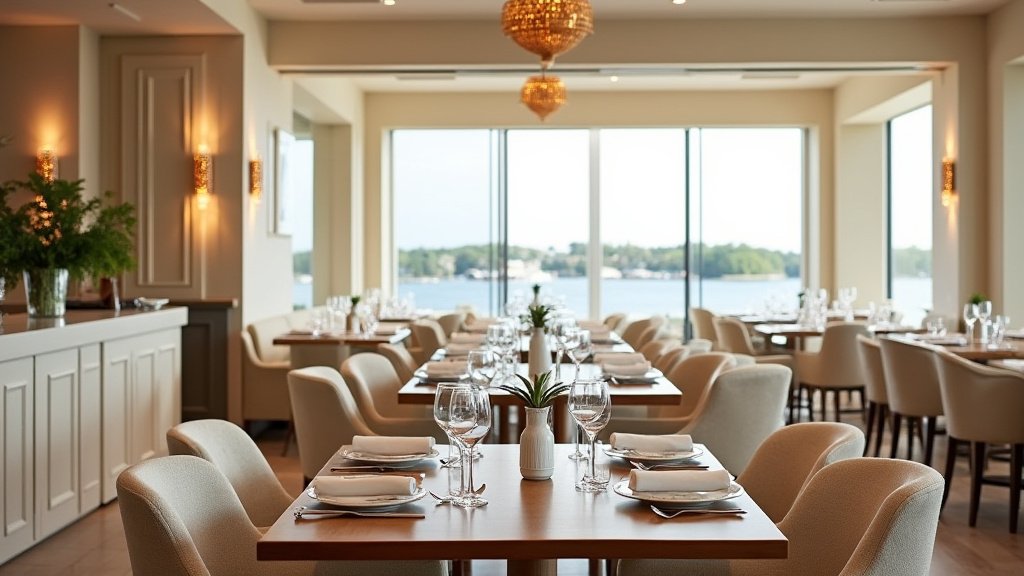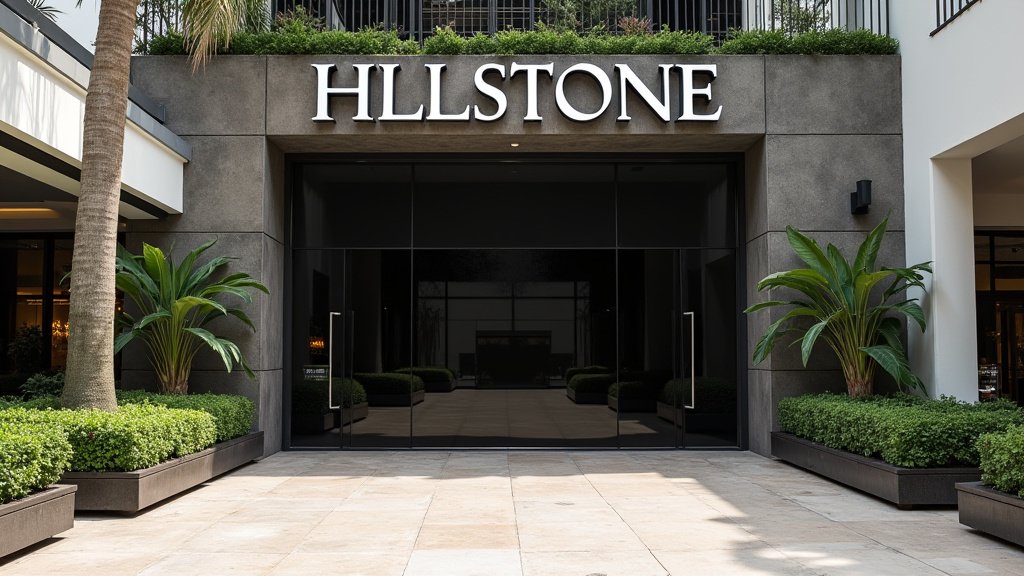
The sudden closure of Hillstone at Bal Harbour Shops has left a distinct void in the Miami dining landscape, ending a tenure that defined a specific genre of upscale, consistent dining for locals and international visitors alike. Without prior public announcement or a drawn-out farewell, the restaurant—a staple of the premier luxury mall—quietly ceased operations, leaving patrons and industry analysts alike to grapple with the loss of a venue that was often considered the ‘living room’ of the Bal Harbour community.
The Anatomy of an Unexpected Departure
For decades, the Hillstone Restaurant Group (HRG) has cultivated a reputation for precision, consistency, and a strict adherence to a polished service model that eschews trends for reliability. The Bal Harbour location was no exception; it served as a high-traffic anchor for the mall, consistently drawing crowds that spanned generations. The closure, which occurred with no public warnings, highlights the often-volatile nature of long-term commercial real estate leases, even for the most successful operators.
While representatives for the restaurant group and the mall ownership, Whitman Family Development, have kept details regarding the specific reasons for the lease termination private, the closure is widely viewed as a reflection of the evolving retail and hospitality landscape. In an era where premium retail centers are aggressively updating their tenant mixes to reflect global luxury trends, even established legends are not immune to the expiration of contractual cycles.
The ‘Hillstone Effect’: Why This Closure Matters
To understand why the closure of Hillstone at Bal Harbour Shops is generating significant local discourse, one must understand the ‘Hillstone Effect.’ The brand mastered a formula of dark woods, atmospheric lighting, and a menu that rarely changed but never failed to deliver. It was the antithesis of the ‘Instagram-first’ dining trends that have swept through Miami’s South Beach and Design District.
Patrons of the Bal Harbour location were not there to be seen; they were there for the signature cheeseburger, the impeccable martinis, and the comfort of a high-end environment that felt familiar every single time. By closing its doors, the mall has lost a venue that provided a necessary grounding element—a bridge between the hyper-luxury boutiques and the practical needs of the local, wealthy demographic who viewed the restaurant as an essential daily or weekly stop.
The Evolution of the Bal Harbour Shops
Bal Harbour Shops, consistently ranked as one of the most productive retail centers in the United States by sales per square foot, is in a perpetual state of evolution. The property has long been pursuing ambitious expansion plans, aiming to incorporate larger flagship boutiques and modernized culinary offerings that align with the high-spending power of its clientele.
Experts suggest that the departure of Hillstone may signal a strategic pivot by management. As shopping centers transform into experiential lifestyle destinations rather than simple retail hubs, the demand for ‘destination dining’—restaurants that offer culinary spectacle or unique celebrity-chef partnerships—has increased. While Hillstone offered reliability, the mall’s vision for the future likely involves a tenant mix that prioritizes novelty, high-concept interior design, and potentially higher revenue-per-seat models.
The Broader Restaurant Industry Context
This closure is a microcosm of the broader shifts within the American restaurant industry. High-end, casual-luxury establishments are currently facing a ‘scissor effect’: rising overheads, including labor costs and specialized supply chain logistics, are meeting a ceiling in how much they can charge without alienating their core base.
When a restaurant like Hillstone closes, it is rarely due to a lack of popularity; rather, it is often a matter of real estate arithmetic. When a lease comes up for renewal in a location like Bal Harbour, the projected rent increases are often staggering. Operators must decide if the projected revenue growth can support the new rent basis, or if the capital is better deployed elsewhere. In this case, the decision to close suggests that the math no longer supported the long-term operational goals of the Hillstone group at this specific address.
Assessing the Economic Impact
The economic footprint of a restaurant like Hillstone at Bal Harbour Shops extends beyond its own P&L statement. It acted as a primary traffic driver for the mall, particularly during lunch hours and early evenings. The loss of such a draw forces mall operators to recalibrate foot traffic patterns. For other nearby tenants, the closure represents the loss of a ‘synergistic neighbor.’ Businesses surrounding a flagship restaurant rely on the overflow and the ‘dwell time’ created by diners. The challenge for Bal Harbour Shops will be to replace this volume with an entity that provides a similar level of consistent traffic without disrupting the prestige of the surrounding retail environment.
Future Outlook: What Replaces an Icon?
As the space sits dormant, speculation regarding its future is rampant. In the luxury real estate market, prime square footage does not remain vacant for long. The challenge for the mall is finding a successor that can replicate the broad-based appeal of the previous tenant while fitting into the modern aesthetic of a revitalized Bal Harbour. Whether the replacement is another powerhouse restaurant group or a boutique luxury brand expanding its footprint, the transition will be closely watched by the Miami business community as a bellwether for the health of high-end commercial real estate.
FAQ: People Also Ask
Is the Hillstone closure permanent?
Yes, the closure of the Hillstone at Bal Harbour Shops is permanent. All operations have ceased at that specific location, and the restaurant group has not announced plans for a reopening or a relocation within the immediate Bal Harbour vicinity.
Why did the restaurant close without warning?
While a public explanation was not issued, commercial real estate closures of this nature at the end of a lease cycle are common. It is primarily a business decision involving lease negotiations, rent structures, and the long-term strategic goals of both the restaurant group and the mall landlord.
Will the space be replaced by another restaurant?
While Bal Harbour Shops has not confirmed the next tenant for the space, given the prime location and the existing infrastructure of a kitchen and dining room, it is highly probable that the space will be leased to another high-profile hospitality operator or a luxury brand seeking a flagship footprint.
Are other Hillstone locations affected?
No, the closure is specific to the Bal Harbour Shops location. The Hillstone Restaurant Group continues to operate its other locations in South Florida and across the United States as normal.