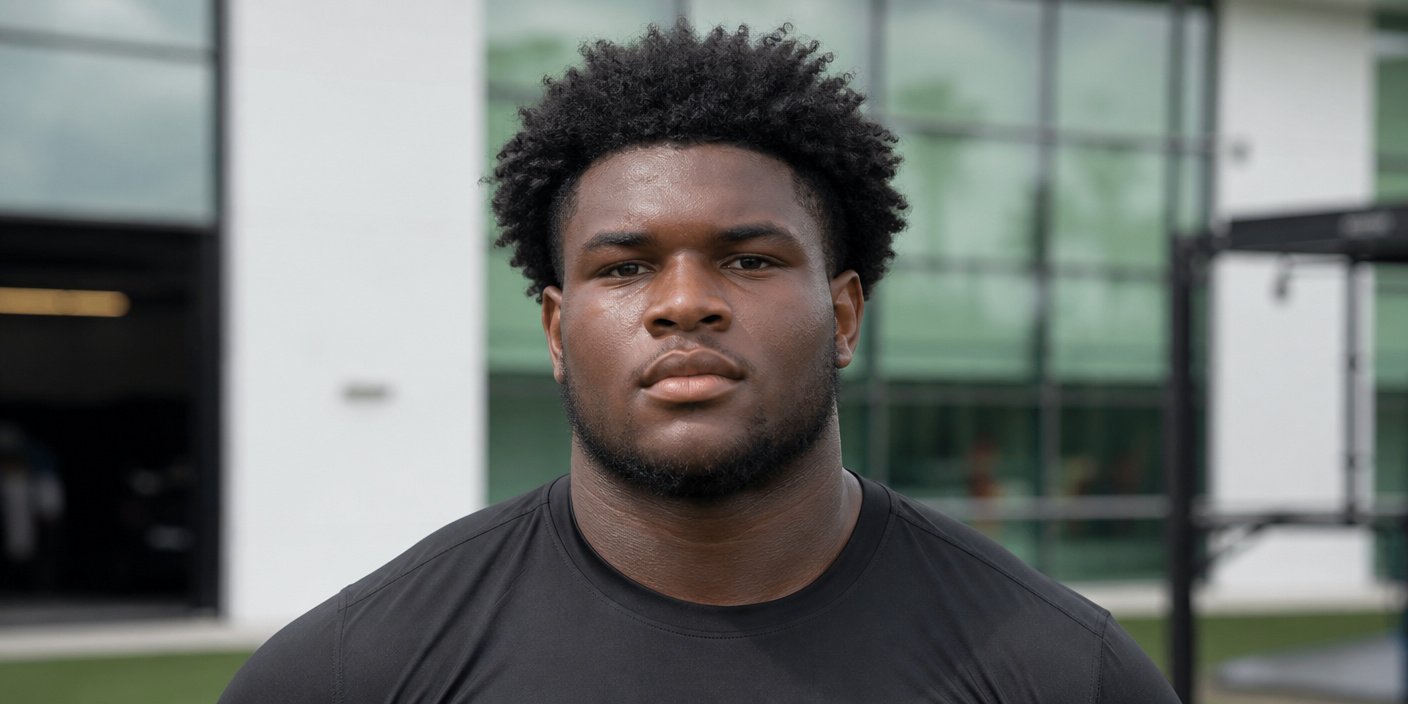
University of Miami freshman running back Jordan Lyle has been charged with felony fleeing and eluding police, stemming from an incident that occurred on July 10 in Sunrise, Florida. The highly touted recruit, who joined the Hurricanes with significant expectations, surrendered to authorities this past Thursday and was subsequently released on bond. As the legal process begins, the news has cast a shadow over the University of Miami’s preseason preparations and forced a spotlight onto the conduct and institutional oversight of student-athletes in the modern era of college football.
Key Highlights
- The Charges: Jordan Lyle is facing a felony charge for fleeing and eluding police officers.
- The Incident: The event occurred on July 10 in the city of Sunrise, Florida, a suburb of Fort Lauderdale.
- Legal Status: Lyle turned himself in on Thursday and has been released on bond while the case proceeds.
- Institutional Impact: The University of Miami is expected to evaluate the situation internally, with potential ramifications for Lyle’s standing on the roster.
The Legal and Institutional Fallout
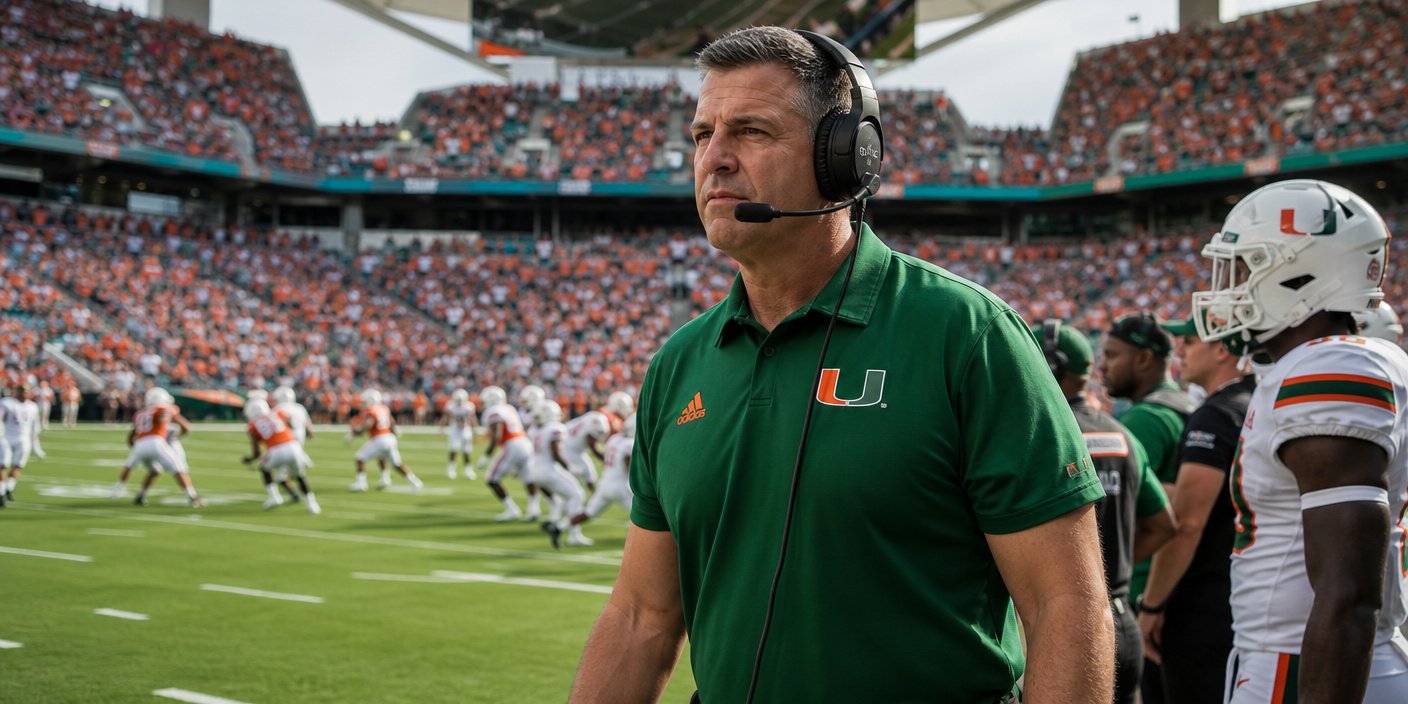
The charge of fleeing and eluding is a significant legal hurdle, particularly when classified as a felony. In Florida, “fleeing and eluding” a law enforcement officer is governed by Florida Statute 316.1935. A felony charge typically implies that the driver willfully fled or attempted to elude a law enforcement officer who was in an authorized emergency vehicle with sirens and lights activated, and in doing so, drove at high speed or in a manner that demonstrated a wanton disregard for the safety of persons or property. For a collegiate athlete, this is not merely a legal complication; it is an academic and athletic crisis. The University of Miami, under the leadership of head coach Mario Cristobal, places a high premium on discipline and the ‘hard work’ culture that defines the program’s current rebuilding phase. The intersection of local law enforcement actions and institutional disciplinary policies often moves slowly, but the implications for Lyle’s immediate future—and his scholarship status—are significant.
Understanding the Legal Framework
Fleeing and eluding is a serious offense under Florida law. When a driver refuses to stop, they are not only risking public safety but are also inviting enhanced sentencing guidelines. If convicted of a felony level offense, the penalties can range from incarceration to significant probation periods, as well as the permanent loss of driving privileges. For an athlete, the collateral consequences—including mandatory substance testing, travel restrictions, and athletic department sanctions—can effectively derail a season before it begins. The legal team representing the athlete will likely focus on the specific circumstances of the July 10 event, determining whether the ‘willful’ element of the statute can be adequately defended or mitigated.
The University of Miami’s Protocol
Universities, particularly those operating within the high-stakes environment of the Atlantic Coast Conference (ACC), maintain strict codes of conduct for their student-athletes. These codes often exist independently of the legal system. Even if an athlete is not convicted, an arrest involving a felony charge can trigger an immediate suspension or an indefinite hiatus from team activities. The University of Miami will likely conduct its own internal review to determine the extent of the violation of the ‘Canes’ standards. This process often involves discussions between the athletic department’s compliance office, the legal counsel for the university, and the coaching staff. Coach Cristobal, known for his rigorous attention to detail, will face the challenge of balancing team unity with the optics and ethical obligations of hosting a player facing serious criminal allegations.
Contextualizing the Incident and Future Implications
Beyond the immediate legal news, this incident serves as a reminder of the immense pressure placed on young athletes. Jordan Lyle, having recently transitioned from the high school ranks to the collegiate level, is currently navigating the complexities of fame, expectations, and the newfound independence of college life. The transition to the ACC is not just a physical one; it is a mental and societal one. This event highlights the vulnerability of programs that bring in young talent and the reliance on collegiate leadership to provide the necessary structure to prevent such outcomes.
Implications for the 2024 Hurricanes Roster
From an athletic perspective, Lyle was viewed as a high-potential asset to the Hurricanes’ backfield. His absence, whether temporary or permanent, creates a void in the depth chart that the coaching staff will need to address quickly. Recruiting in the transfer portal and among current backups becomes vital as the season approaches. The team’s ability to remain focused while news of this nature breaks in the local media is a test of the culture Cristobal has sought to instill since his return to Miami. Players, coaches, and staff must now compartmentalize the distraction while preparing for a high-intensity season schedule.
The Landscape of College Athletics and Conduct
This case also contributes to the broader national conversation regarding the conduct of college athletes. In an era where Name, Image, and Likeness (NIL) deals have turned teenagers into millionaires, the expectations for behavior have grown exponentially. The scrutiny is higher than ever, and incidents that might have been handled quietly in previous decades now make national headlines within minutes. This shift forces athletic departments to implement more robust ‘life skills’ training and monitoring systems to protect the interests of both the university and the individual athletes. As this specific case unfolds in the Broward County court system, it will serve as a bellwether for how the Hurricanes organization handles discipline, accountability, and the public-facing image of their program.
FAQ: People Also Ask
1. What is the penalty for felony fleeing and eluding in Florida?
Under Florida law, fleeing and eluding can be a third-degree felony, which carries a maximum penalty of five years in prison, a $5,000 fine, and the revocation of driving privileges. The specific circumstances, such as high speed or danger to the public, determine the severity of the charge.
2. Is Jordan Lyle still on the Miami Hurricanes roster?
As of the current reporting, there has been no formal announcement from the University of Miami regarding Lyle’s dismissal. However, typical university protocol for felony charges involves immediate suspension from all athletic activities pending the outcome of the legal investigation.
3. Will the University of Miami issue a statement?
Typically, athletic departments acknowledge such events as a ‘personnel matter’ and refrain from detailed commentary until the legal process has reached a resolution. The university is likely monitoring the situation through its legal and compliance teams.
4. What happens next in the legal process?
Lyle has been released on bond. The next steps will involve formal arraignment, where he will enter a plea, followed by a discovery phase where the prosecution will provide evidence to the defense. This legal process can take several months.