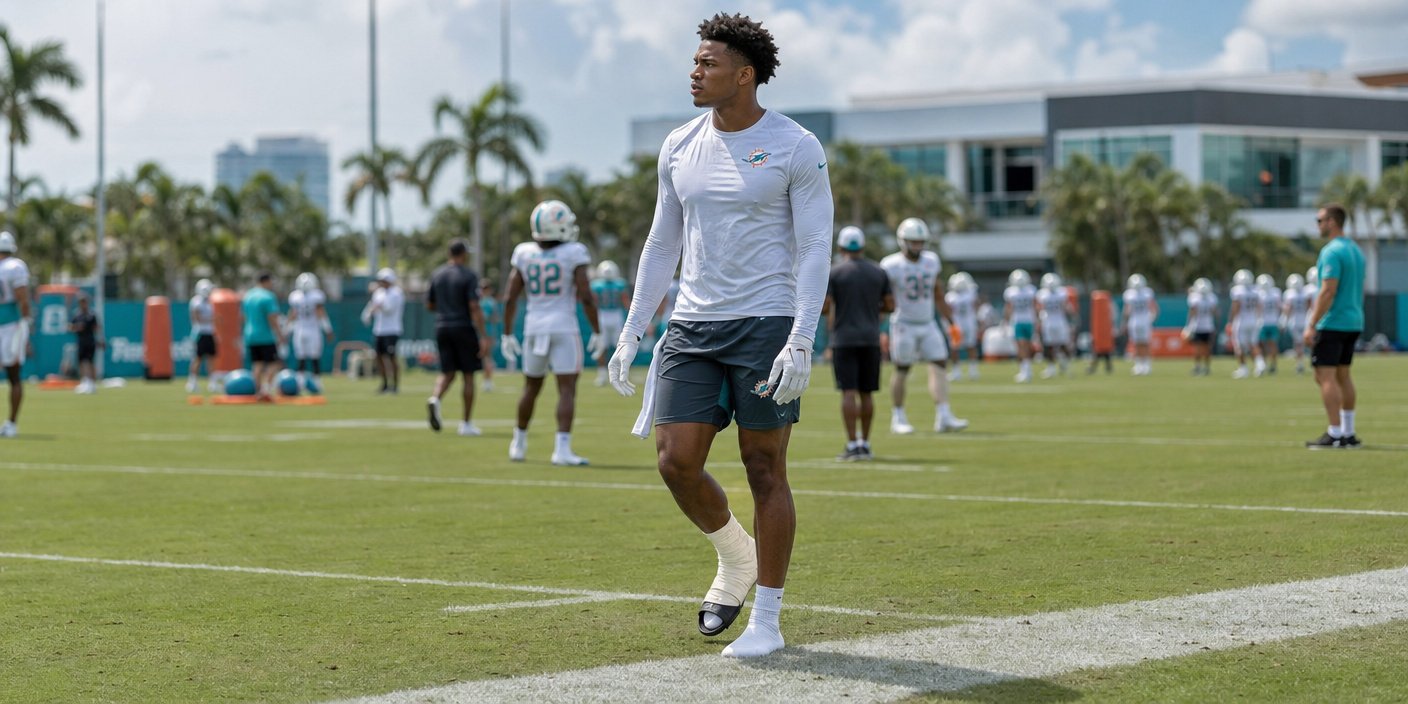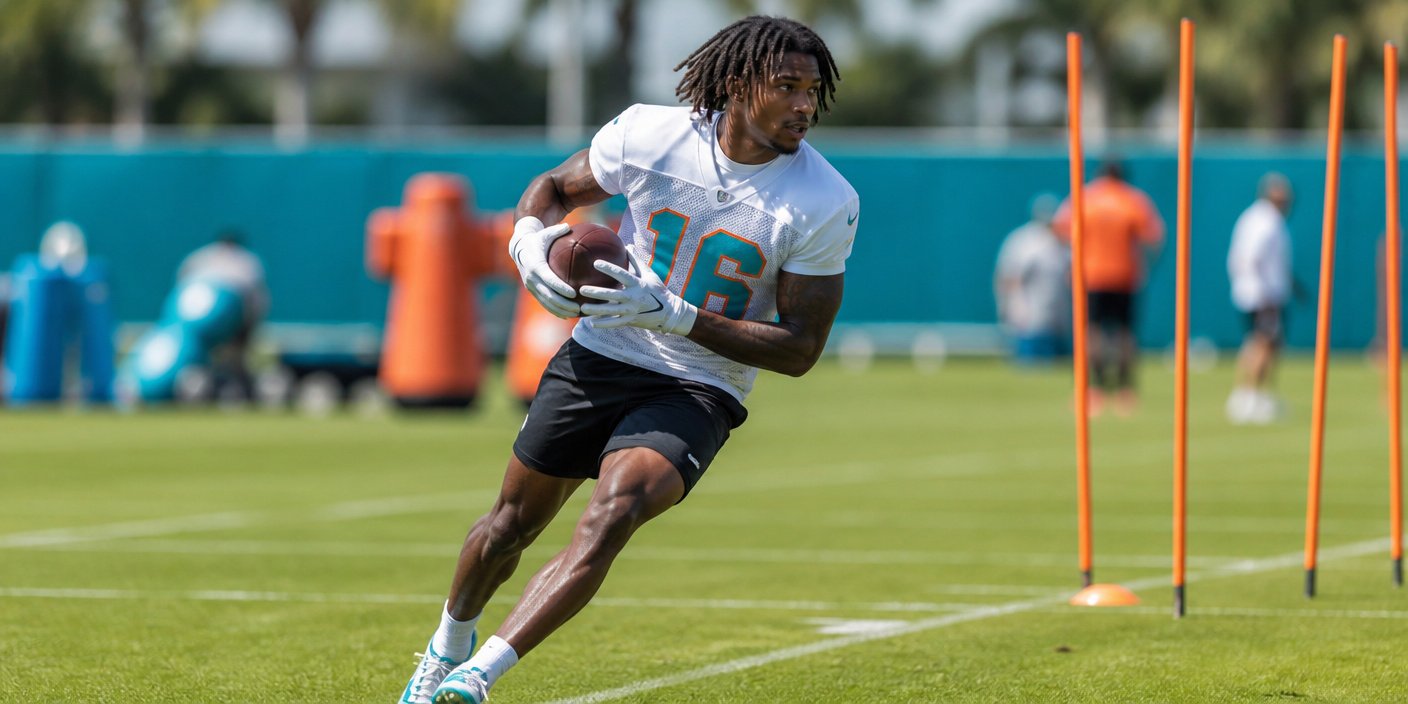
The Miami Dolphins have officially activated rookie wide receiver Chris Bell from the non-football injury (NFI) list, marking a pivotal turning point in his professional debut journey. After spending the early portion of the season sidelined while recovering from an ACL tear sustained in 2025, Bell’s return to the active roster signals the medical staff’s confidence in his readiness for high-intensity football activity. This move does not guarantee immediate gameplay, but it clears the path for the rookie to begin the integration process into the Dolphins’ complex offensive scheme.
Key Highlights
- Chris Bell has been officially activated from the Non-Football Injury (NFI) list by the Miami Dolphins.
- The rookie wide receiver had been sidelined since 2025 due to a significant ACL tear, necessitating a lengthy and structured rehabilitation period.
- His return to the practice field begins a mandatory 21-day window during which the team must decide whether to promote him to the active roster or return him to injured status.
- The Dolphins’ front office views this activation as a strategic depth enhancement, providing additional speed and versatility for the remainder of the season.
The Path Forward: Roster Integration and Physical Rehabilitation
The activation of Chris Bell is a calculated move that speaks volumes about the Dolphins’ long-term development strategy. In the modern National Football League, the recovery timeline for a significant ligament injury like an ACL tear has evolved, prioritizing long-term durability over short-term participation. For a rookie entering his first professional environment, the journey from the medical table to the practice field represents the culmination of months of isolation, monotonous physical therapy, and intense mental preparation.
The Medical Roadmap: Surviving the 2025 ACL Tear
Rehabilitating an ACL injury in the professional era is as much a mental challenge as it is a physical one. Since his injury in 2025, Bell has been confined to the team’s medical facilities, working primarily with the Dolphins’ training staff to regain full range of motion, proprioception, and explosive power. The ACL, or anterior cruciate ligament, is the primary stabilizer of the knee; in a wide receiver who relies on sharp cutting, sudden deceleration, and high-speed route running, the reconstruction must be flawless. The medical staff has reportedly utilized advanced blood-flow restriction training and force-plate analysis to ensure that Bell’s surgical graft has integrated effectively with his native tissue. His activation from the NFI list indicates that he has passed all functional criteria, including change-of-direction drills that mimic the chaotic nature of an actual NFL play.
Tactical Integration: What Bell Brings to Miami
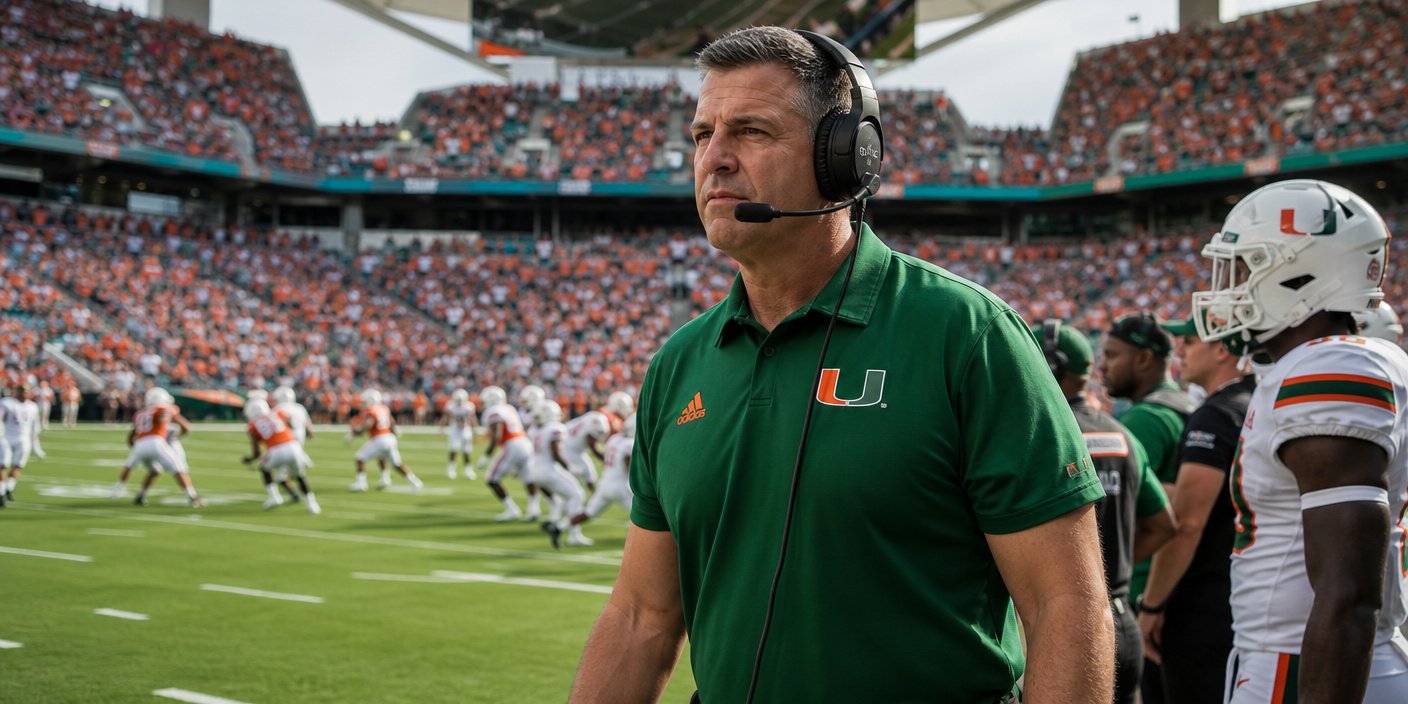
Bell’s skill set—which scouts lauded during the pre-draft process—is defined by his ability to stretch the field vertically. Integrating him into the current Dolphins offensive architecture will require a measured approach. Head coach Mike McDaniel’s scheme is predicated on timing, rhythm, and spatial awareness. The coaching staff will likely utilize a tiered progression to re-introduce Bell to the speed of the professional game. Initially, this will involve limited reps in individual drills, followed by 7-on-7 sessions, before he is cleared for full-team 11-on-11 contact simulations. The priority is to rebuild his ‘football conditioning’—a different metric entirely from general physical fitness. Bell must learn to anticipate the leverage of defensive backs at the professional level, a nuance that film study can only partially replicate.
Strategic Roster Implications and Future Outlook
For the Miami Dolphins, the decision to activate Bell is a low-risk, high-reward maneuver. By activating him now, the team gains the flexibility to evaluate his progress in real-time. If Bell demonstrates the capability to handle his original draft-profile responsibilities, he provides an immediate injection of youth and athleticism to the wide receiver corps. However, the organization must also weigh the risk of re-injury. The NFL season is a grind, and the coaching staff will likely implement a strict ‘pitch count’ regarding his practice snaps to prevent overloading the joint too early. Furthermore, Bell’s presence on the field will allow the Dolphins to rest veteran starters during practice, potentially reducing the wear and tear on the primary offensive weapons heading into the postseason push. This move underscores the organization’s commitment to developing its draft assets, even when injury disrupts the timeline. The next 21 days are critical; they will define whether Bell becomes a contributor for the current campaign or if he serves as a long-term development project for the upcoming year.
FAQ: People Also Ask
What is the NFL’s NFI list?
The Non-Football Injury (NFI) list is an NFL roster designation for players who sustain injuries outside of direct football-related activities or prior to entering the league. It allows teams to retain the player’s rights while removing them from the active 53-man roster count.
Does activating Bell from the NFI list mean he will play immediately?
No. Activation from the NFI list opens a 21-day practice window. During this period, the player can practice with the team, but he is not yet on the active 53-man roster. The team has three weeks to evaluate his health before they must make a final decision to either add him to the active roster or place him on season-ending injured reserve.
How long does an ACL recovery typically take in the NFL?
While every injury is unique, standard recovery for a modern NFL athlete typically ranges from 9 to 12 months. Since Bell’s injury occurred in 2025, his return timeline aligns with standard medical benchmarks for high-level professional athletes, prioritizing complete graft stability before returning to full-speed contact.
What is the biggest challenge for a rookie returning from a major injury?
The biggest challenge is ‘game speed.’ Even if a player is physically rehabilitated, the cognitive processing speed required to read NFL defenses and react to explosive movements is developed through repetition. The rookie must regain his timing and confidence in his knee under game-like pressure.