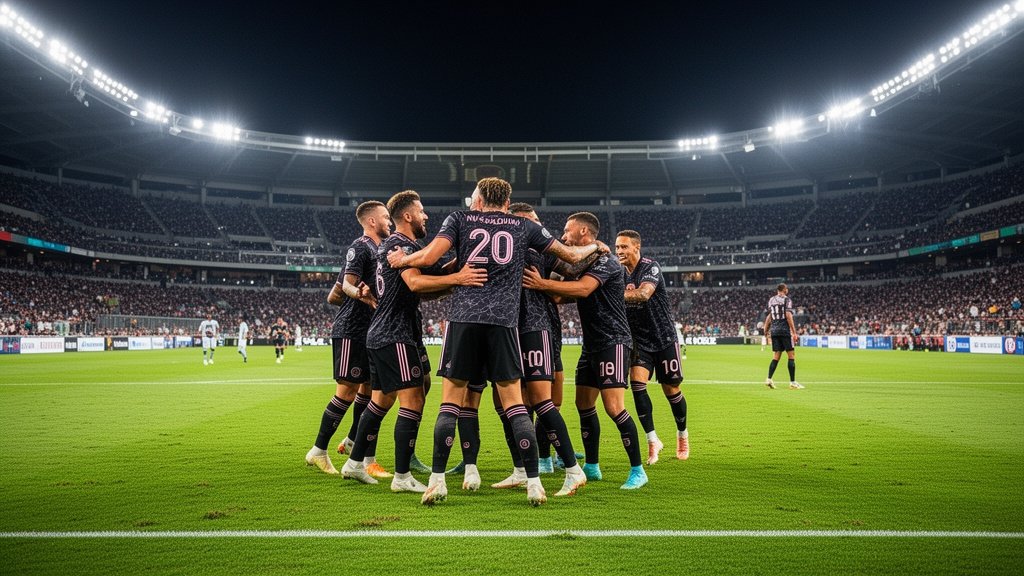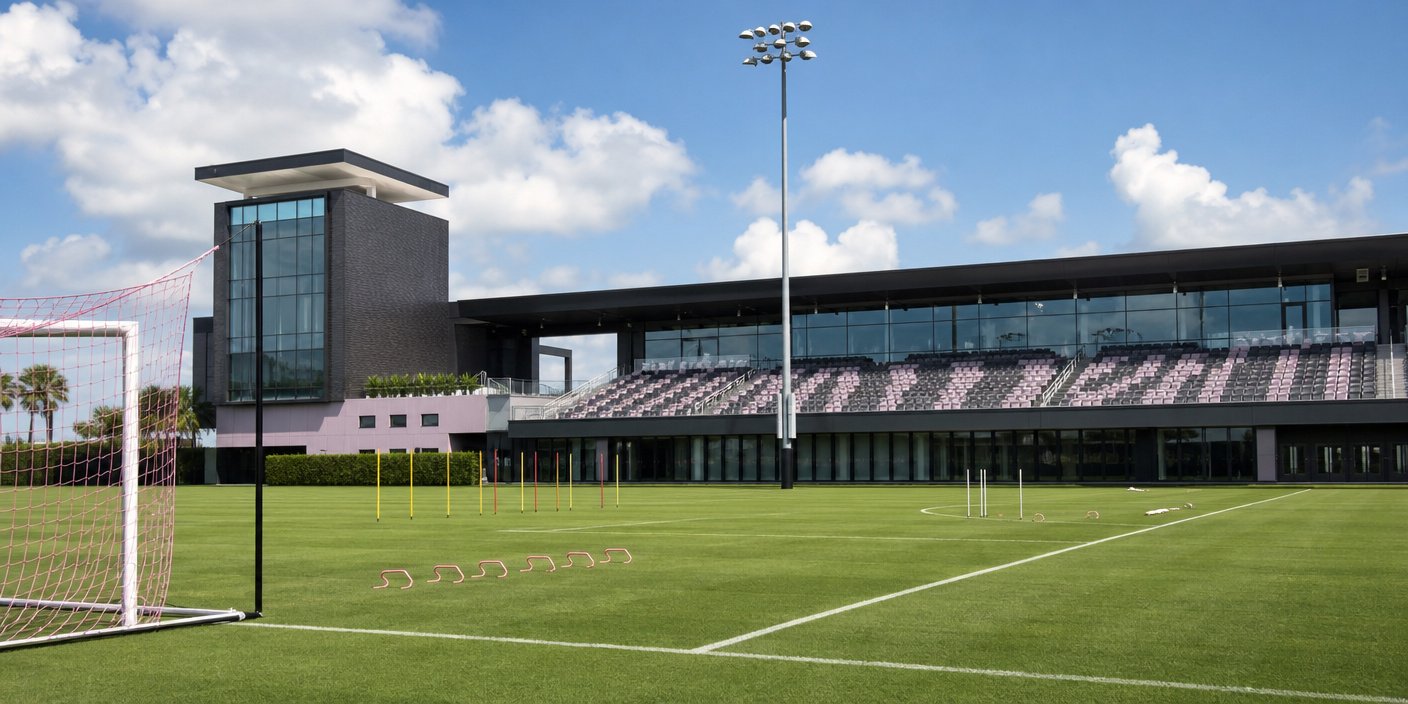
Inter Miami CF has officially confirmed the appointment of Cristian ‘Kily’ Gonzalez as the club’s new first-team head coach, a strategic move designed to inject new tactical energy and leadership into a squad currently grappling with a disappointing string of results. As the club navigates this pivotal transition, interim coach Guillermo Hoyos will maintain command of training and match operations, ensuring continuity until Gonzalez completes the necessary bureaucratic hurdles, including the acquisition of his formal work permits.
Key Highlights
- Formal Appointment: Cristian ‘Kily’ Gonzalez has been tapped as the new head coach to lead Inter Miami’s revitalization efforts.
- Interim Transition: Current interim coach Guillermo Hoyos will remain in charge of the first team until Gonzalez successfully obtains the required work authorization.
- Strategic Goal: The hiring is directly aimed at correcting a lackluster run of performance and instilling a new tactical philosophy at the club.
- Focus on Continuity: The club emphasized that the interim period is structured to minimize disruption to the players’ training schedule and tactical preparation.
A New Chapter for Inter Miami: Tactical Evolution and Leadership
The decision to bring in Cristian ‘Kily’ Gonzalez represents more than a simple change in the coaching staff; it is a clear signal from Inter Miami’s front office that the current trajectory of the team requires a fundamental shift. Gonzalez, a figure well-regarded in footballing circles for his intense tactical preparation and commitment to high-pressing systems, is expected to overhaul the squad’s approach as the season progresses. The club has identified a need for a more cohesive, disciplined style of play, which has been lacking during recent matches.
The Strategic Role of Guillermo Hoyos During the Transition
While the announcement centers on Gonzalez, the role of Guillermo Hoyos during this interim period is critical. Transition phases in professional sports are notoriously difficult to manage; player morale often fluctuates when a change in leadership is impending but not yet fully realized. Hoyos has been tasked with maintaining the internal standards of the club, ensuring that the physical and tactical foundations are maintained so that Gonzalez can hit the ground running upon his arrival. This bridge-building phase is essential to ensure that the team does not suffer further points drop-offs while awaiting the administrative green light for the new head coach.
Managing Bureaucratic Hurdles in MLS
One of the often-overlooked aspects of international coaching appointments in Major League Soccer (MLS) is the complexity of visa and work permit regulations. Unlike leagues in Europe where movement within the continent is often streamlined, MLS coaching appointments require navigating federal immigration protocols. This reality underscores the patience required by the ownership group and the fanbase. The administrative pause allows the club to conduct due diligence, ensuring that once Gonzalez steps onto the pitch at Chase Stadium, his tenure begins without the distraction of outstanding paperwork.
Tactical Expectations: What Gonzalez Brings to the Pitch
Fans and analysts are eager to see how the Argentine tactician will mold the current Inter Miami roster. His coaching philosophy generally emphasizes versatility and high-intensity transitions. With the league becoming increasingly competitive, Inter Miami needs a coach who can balance individual star talent with a rigid, collective defensive structure. The primary objective for Gonzalez will be to stabilize the team’s defensive errors, which have been a significant contributor to the recent dip in league standing, while simultaneously maximizing the creative output of the attacking midfield.
Secondary Angles: Contextualizing the Hire
To understand the broader implications of this move, we must look at three distinct secondary angles that define the landscape for Inter Miami:
1. The ‘Argentine Connection’ and Cultural Fit: Inter Miami has consistently leaned into a strong South American cultural identity. By appointing Gonzalez, the club is doubling down on a specific footballing heritage that resonates with the local fanbase and provides a comfortable linguistic and cultural environment for several key players on the roster. This is an attempt to create a cohesive locker room culture that bridges the gap between different international playing backgrounds.
2. Financial and Roster Implications: Coaching changes often coincide with roster adjustments. The appointment of a new head coach with distinct tactical preferences will likely influence the club’s transfer strategy in the upcoming windows. Gonzalez will need to evaluate whether the current roster possesses the specific skill sets required for his preferred systems or if the front office must pursue additional assets to suit his vision. This hire likely signals that the club is prepared to back its new leader with resources should the team fail to find immediate success.
3. The Pressure of Expectations in a Growth Market: Inter Miami operates in one of the most high-profile markets in MLS. The expectations placed on a head coach here are amplified compared to smaller-market clubs. This appointment carries significant weight; failing to turn the team’s form around quickly could lead to increased scrutiny from ownership and supporters. Gonzalez enters a pressure-cooker environment where the margin for error is razor-thin.
FAQ: People Also Ask
Q: Why is Guillermo Hoyos still coaching if Kily Gonzalez has been hired?
A: Guillermo Hoyos is currently serving as an interim manager to ensure team stability. He remains in charge because Cristian ‘Kily’ Gonzalez is currently undergoing the administrative process required to obtain the necessary work permits for employment in the United States.
Q: How does this appointment affect the players’ current training routines?
A: While the long-term philosophy will change under Gonzalez, the club aims to maintain consistency. Hoyos is tasked with keeping the current training regimen focused and effective to prevent disruption during the transition period.
Q: What is the primary reason for this coaching change?
A: The coaching change was prompted by a disappointing run of results. The club’s management made this move with the express goal of revitalizing the team and shifting the momentum back in a positive direction for the remainder of the season.