In a pivotal decision regarding the future of municipal governance, the Miami City Commission voted 4-1 to reject a contentious plan to relocate the city’s administrative headquarters to the Melreese site. The resolution, which signals a victory for historic preservation advocates, ensures that the City of Miami will continue its operations from the iconic building at 3500 Pan American Drive in Coconut Grove. The decision marks an abrupt end to years of speculation regarding a potential move to the complex currently slated for the Miami Freedom Park development.
Key Highlights
- 4-1 Vote: The commission officially halted the pursuit of a new administrative building, favoring the retention of the current historic site.
- Historic Preservation: The decision saves the Pan American Seaplane Base from potential obsolescence, preserving its unique Art Deco and Spanish Mediterranean architectural legacy.
- Economic Pivot: Officials cited prohibitive cost projections and the desire to focus resources on existing infrastructure rather than a high-capital new construction project.
- Strategic Shift: The move effectively separates city administration from the ongoing and complex development of the Melreese site, the future home of the Inter Miami CF stadium.
The Preservation of Miami’s Administrative Anchor
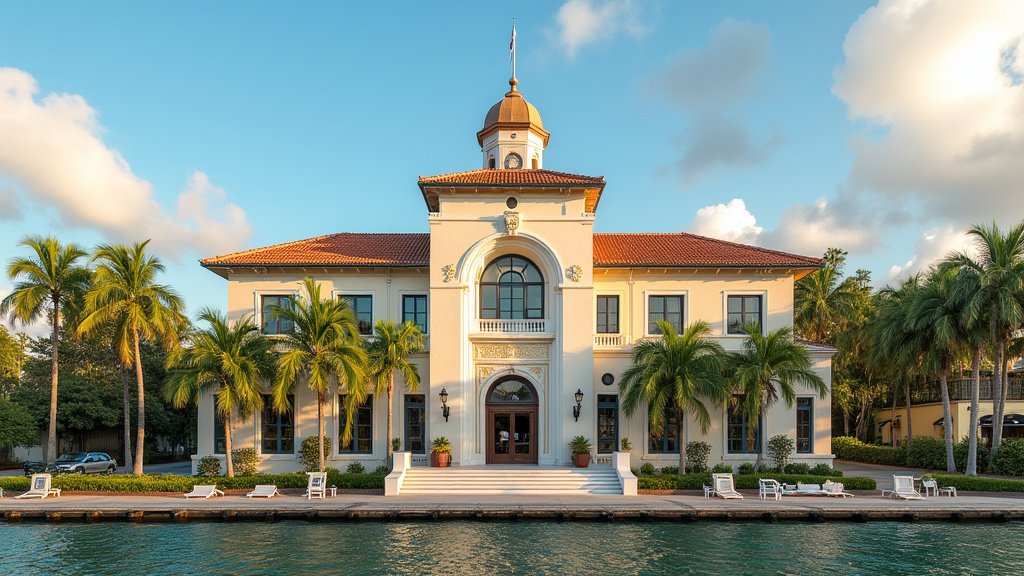
The building at 3500 Pan American Drive is far more than a seat of government; it is a monument to Miami’s aviation history. Originally constructed as the Pan American Seaplane Base in the 1930s, the facility served as the primary gateway for international travel to Latin America, defining the era of the ‘Flying Clippers.’ Its architecture—a distinct blend of Art Deco and Spanish Mediterranean influence—stands as a stark contrast to the modern glass-and-steel developments that have come to dominate the downtown skyline.
For many residents and city staff, the building represents a tangible connection to Miami’s mid-century identity. The debate over relocation had been simmering for years, driven by arguments that the historic facility lacked the square footage, technological infrastructure, and accessibility of a modern purpose-built office building. However, the commission’s recent vote suggests that the cultural and historical ‘value’ of the site outweighed the perceived efficiency of relocation. By choosing to stay, the commission has effectively greenlit future renovations, shifting the narrative from ‘abandonment’ to ‘adaptive reuse.’
The Economic Calculus
One of the primary drivers behind the 4-1 vote was the harsh reality of construction economics in the current market. A new administrative building at the Melreese site would have required hundreds of millions of dollars in capital expenditure, a figure that became increasingly difficult to justify to a constituency focused on rising property taxes and the cost of living.
‘We have to be responsible stewards of public funds,’ one commissioner noted during the session, highlighting that the renovation of the existing facility—while costly—presents a more manageable and predictable fiscal path than breaking ground on a fresh development. Beyond just the construction costs, the operational savings of not maintaining a sprawling new campus offered a compelling argument for fiscal conservatism. The city’s finance department will now be tasked with creating a long-term maintenance plan, ensuring that the historic structure can accommodate modern digital needs without compromising its architectural integrity.
The Future of the Melreese Site
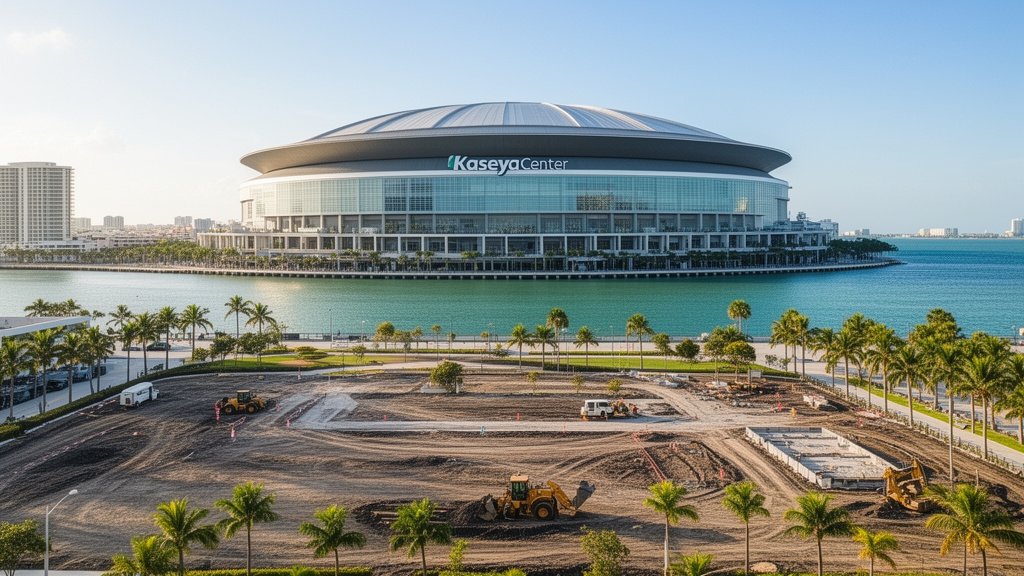
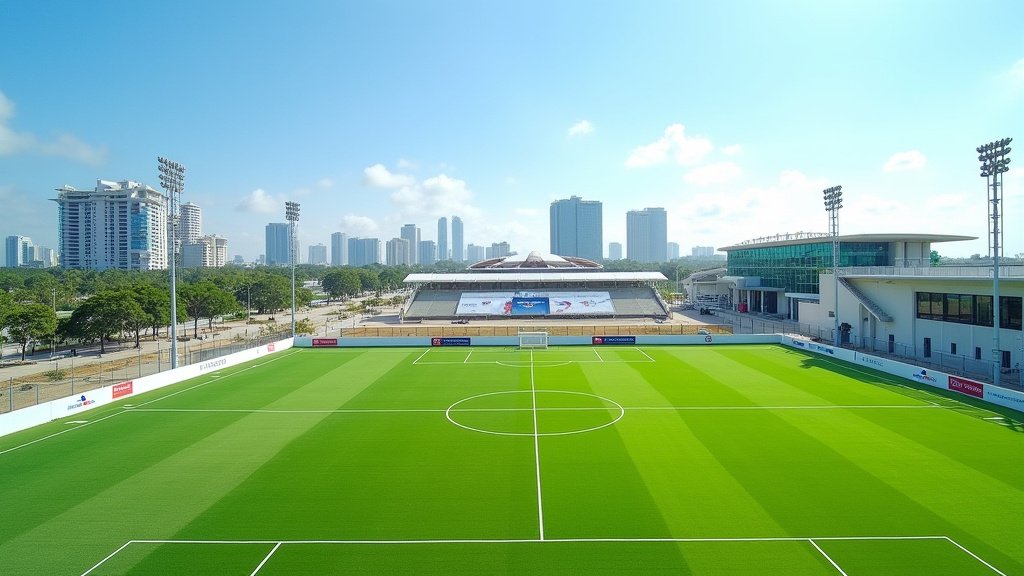
This decision also provides much-needed clarity for the Melreese site, which has been the subject of intense urban planning scrutiny for the better part of a decade. The site is currently the centerpiece of the Miami Freedom Park project, a multi-billion dollar private development anchored by an Inter Miami CF stadium.
By deciding not to include a city administrative headquarters at this location, the commission has streamlined the site’s master plan. The Melreese redevelopment is a complex undertaking involving retail, office, and entertainment spaces; adding a government building to the mix would have introduced logistical complexities, security concerns, and zoning hurdles that could have stalled progress. With the city administration off the table, developers and city planners can focus exclusively on the commercial and recreational goals of the Freedom Park project, potentially accelerating the timeline for its much-anticipated completion.
A New Chapter for City Hall
While the vote keeps the administration in Coconut Grove, it does not suggest a status quo approach for the future. The decision implies a commitment to modernization—just not a move. Expect the City of Miami to launch initiatives focusing on high-speed connectivity, green energy retrofits, and optimized public access for the Pan American Drive location. The city effectively declared that its future does not necessarily require a new building, but it does require a modern experience. This decision effectively draws a line in the sand: Miami’s governance will remain rooted in its historic past while it navigates its high-growth future.
FAQ: People Also Ask
1. Why did the commission vote against moving to the Melreese site?
The primary drivers were fiscal constraints, the desire to preserve the historic significance of the current City Hall, and concerns regarding the complexity of adding municipal offices to the already dense Miami Freedom Park development plan.
2. Is the historic City Hall in danger of being sold?
No. With this vote, the City of Miami has committed to remaining at the site, signaling that they intend to maintain ownership and likely invest in upgrades for the historic building.
3. What happens to the space originally allocated for the city at the Melreese site?
That space will now be available to be repurposed within the broader Miami Freedom Park master plan, likely toward additional commercial, retail, or public recreational uses associated with the stadium complex.
4. Will there be renovations to the current building?
Yes. While the city decided against a full relocation, there is a clear consensus that the current building requires modernization to meet contemporary office standards, and city planners are expected to draft an improvement budget.