In a move that promises to redefine the educational and technological landscape of South Florida, Citadel CEO and philanthropist Kenneth C. Griffin has announced a historic $3 billion gift to Carnegie Mellon University. The cornerstone of this unprecedented philanthropic investment is a $2 billion allocation specifically designated to construct and launch a new, permanent Carnegie Mellon University campus in the heart of Miami’s Wynwood neighborhood. This initiative represents one of the most significant university expansions in modern history, positioning Miami as a burgeoning global epicenter for computer science, artificial intelligence, and cutting-edge research.
Key Highlights
- Historic Capital Injection: A total gift of $3 billion to Carnegie Mellon University, with $2 billion earmarked for a state-of-the-art Miami campus.
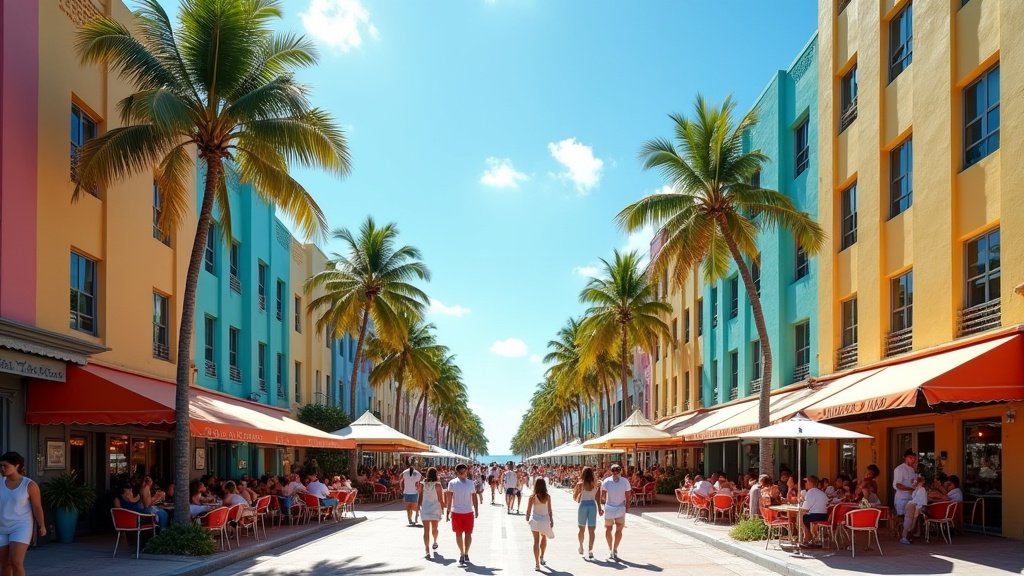
- Strategic Location: The selection of the Wynwood neighborhood, known for its vibrant arts district, signals a pivot toward blending industrial innovation with academic excellence.
- Tech-Forward Curriculum: The new facility will focus heavily on AI, robotics, and financial technology, leveraging Miami’s status as a growing ‘Silicon Beach.’
- Long-Term Impact: The investment aims to create a sustainable pipeline of high-tech talent, effectively bridging the gap between academic research and private sector application in the Southeast United States.
The Wynwood Renaissance: A New Era for Higher Education
The decision to plant a Carnegie Mellon University (CMU) flag in Wynwood is far from accidental. For years, the neighborhood has been synonymous with street art, boutique retail, and a vibrant nightlife. However, the introduction of a world-class research institution changes the district’s fundamental economic trajectory. By integrating a multi-billion dollar educational infrastructure into this urban environment, developers and university officials aim to create a ‘vertical campus’ model that encourages interaction between students, faculty, and the surrounding business community.
Financial Mechanics and The Griffin Vision
At the core of this project is Kenneth C. Griffin, whose philanthropic strategy has consistently aimed at bolstering institutions that drive future-proof economies. The $2 billion allocated for the Wynwood project covers the acquisition of industrial-zoned land, the construction of high-density academic and research facilities, and the establishment of a robust endowment to attract top-tier global faculty.
Analysts suggest this endowment model is unique. Unlike traditional university expansions that rely on state funding or municipal grants, this is a privately funded, high-capital-velocity approach. It allows the university to bypass the often-lengthy bureaucratic hurdles associated with public institutional growth, fast-tracking the campus build-out.
Strategic Tech Integration: Why Miami?
Why would one of the world’s premier technical universities look to Miami? The answer lies in the city’s rapid transformation into a fintech and crypto-forward hub. With Citadel’s own recent expansion to the city, the symbiotic relationship between private enterprise and academia is clear. The Wynwood campus is expected to host laboratories specifically dedicated to financial engineering and AI-driven predictive modeling—fields where CMU already maintains a global reputation for excellence.
This creates a ‘knowledge cluster.’ By placing a top-tier research institution directly adjacent to the offices of multinational financial firms and tech startups, the city hopes to replicate the collaborative successes seen in Boston’s Kendall Square or Silicon Valley. Students will have unprecedented access to internship pipelines and venture capital opportunities before they even graduate.
Urban Planning and Economic Ripple Effects
Beyond the classroom, the economic ramifications for Wynwood are profound. The influx of students, doctoral researchers, and visiting faculty will necessitate an evolution of the neighborhood’s infrastructure. We are likely to see a surge in demand for ‘live-work-learn’ residential developments, specialized coffee culture hubs, and high-speed data infrastructure.
However, the project also raises questions regarding affordability. As an elite institution moves into a formerly gritty, artistic space, the ‘academic gentrification’ factor is significant. Local policymakers are already in discussions with project leads to ensure that the campus design includes public access areas and community-integrated spaces, preventing the campus from becoming an ivory tower isolated from the neighborhood’s historic cultural identity.
Future Implications: A New Tech Frontier
Looking forward, this project serves as a test case for whether elite private university infrastructure can successfully transplant into non-traditional academic cities. If the Wynwood campus thrives, it could trigger a trend where private wealth funds regional academic hubs, decentralizing education from traditional collegiate towns into urban, economic power centers. The success of the Carnegie Mellon Miami expansion may well dictate the future of university growth in the 21st century.
FAQ: People Also Ask
Q: What is the primary focus of the new Carnegie Mellon Miami campus?
A: The campus will focus heavily on computer science, artificial intelligence, robotics, and financial technology, aiming to support the local tech and fintech sectors.
Q: Why was the Wynwood neighborhood chosen for this investment?
A: Wynwood’s transformation into a major cultural and business district, combined with its central location in Miami, makes it an ideal spot for an urban-integrated campus that facilitates collaboration between students, researchers, and tech industry professionals.
Q: How does this project impact Miami’s local economy?
A: The investment is expected to create a ‘knowledge cluster,’ attracting high-skilled labor, increasing demand for housing and services, and fostering a pipeline for graduates to enter local financial and technology firms directly, ultimately boosting the region’s overall GDP.