Miami-Dade County has officially filed a massive $750 million lawsuit against Covanta, the operator of the waste-to-energy incinerator plant in Doral, following a catastrophic fire that crippled the facility in early 2023. The legal action alleges gross negligence and a failure to maintain the vital municipal waste infrastructure, setting the stage for a high-stakes financial and legal battle that will define the future of the county’s waste management strategy. By seeking $750 million in damages, county officials aim to hold the operator accountable for the loss of the facility, which had been a cornerstone of the region’s waste disposal system for decades.
Key Highlights
- The lawsuit seeks $750 million in damages from Covanta Dade Renewable Energy, citing negligence and breach of contract.
- The fire, which occurred in February 2023, decimated the Doral waste-to-energy facility and severely disrupted regional operations.
- Miami-Dade officials allege that Covanta failed to implement critical fire prevention and safety maintenance protocols, despite known risks.
- The shuttering of the plant forced the county to redirect thousands of tons of municipal solid waste to landfills, straining logistics.
The $750 Million Legal Battle: Accountability for the Doral Blaze
The 2023 Doral Incinerator Blaze
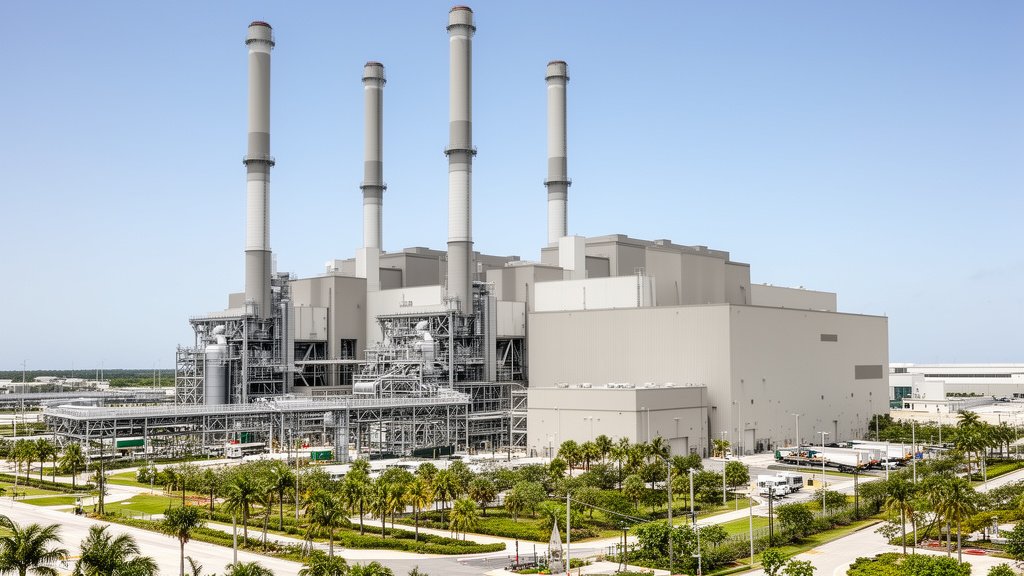
The crisis began on February 12, 2023, when a massive fire broke out at the Covanta Dade Renewable Energy facility in Doral. The blaze was not merely a local fire; it was a multi-alarm catastrophe that burned for several days, sending thick, acrid smoke over the surrounding Doral and Miami-Dade neighborhoods. For the county, the incident was more than an environmental hazard—it was the sudden loss of one of its most essential pieces of public infrastructure. The facility was designed to incinerate municipal solid waste, converting it into energy while significantly reducing the volume of waste destined for local landfills. When the flames were finally extinguished, the facility was left inoperable, creating an immediate crisis for the county’s waste management team.
Allegations of Gross Negligence
The lawsuit filed by Miami-Dade County does not mince words regarding its stance on the disaster. The complaint posits that the fire was not an unavoidable accident, but rather the result of a systematic failure to prioritize safety and maintenance. County attorneys argue that Covanta, as the experienced operator of the plant, had a duty to manage the facility according to strict safety guidelines. The filing asserts that the operator neglected basic maintenance protocols, failed to replace aging or failing equipment, and did not maintain the fire suppression systems necessary to handle a blaze of this magnitude. This alleged lack of due diligence, according to the lawsuit, transformed a potentially manageable incident into a multi-million dollar disaster that has deprived the county of essential service for over a year.
Economic and Infrastructure Impact
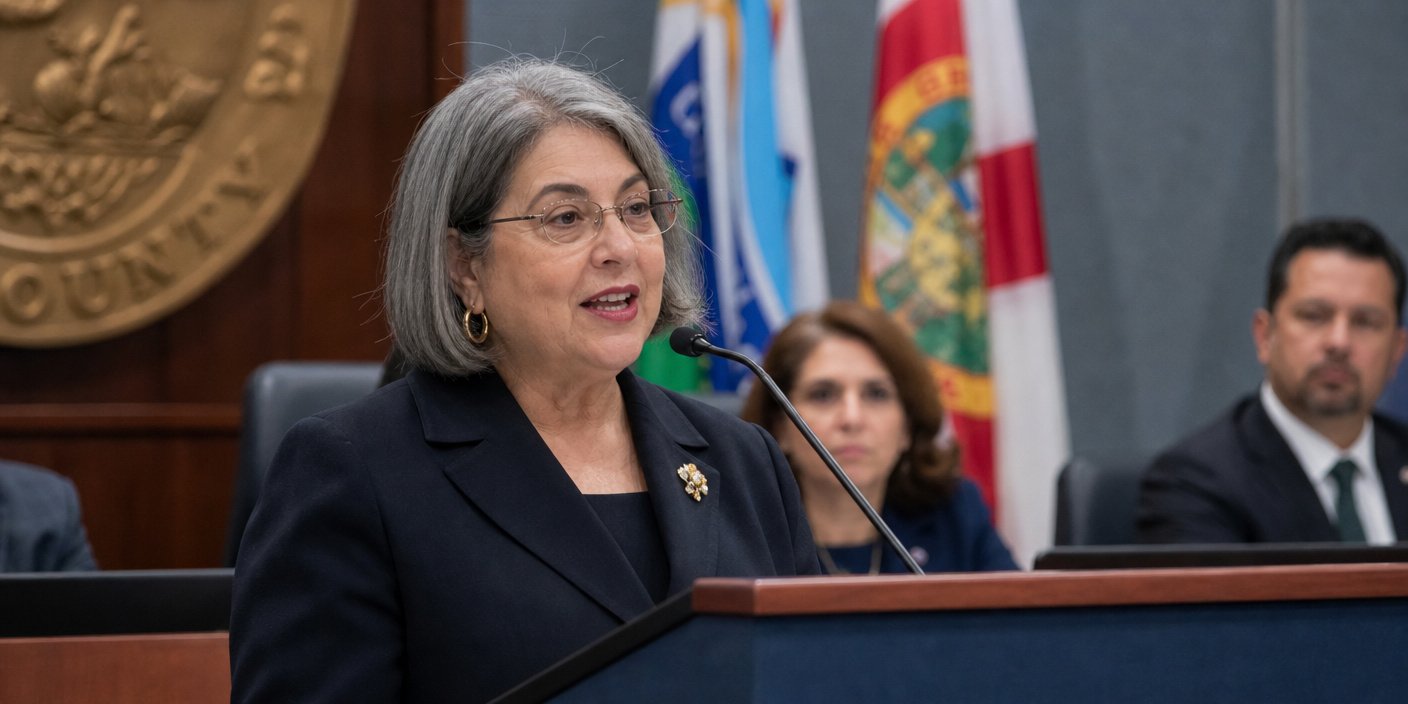
Beyond the fire itself, the economic implications for Miami-Dade County have been severe. Since the fire, the county has had to scramble to find alternative disposal sites, leading to increased transport costs and the need to rely more heavily on landfilling—a process that is less efficient and more environmentally concerning than waste-to-energy conversion. The $750 million figure is not arbitrary; it represents the estimated cost of the damage, the loss of the plant’s operational capacity, and the significant expenses incurred by the county to manage the waste crisis created by the facility’s closure. This financial shortfall, coupled with the political pressure to find a permanent solution for the Doral site, has put Mayor Daniella Levine Cava and the Board of County Commissioners in a difficult position as they navigate the path toward rebuilding or replacing the plant.
Secondary Angle: The Future of Waste-to-Energy
The lawsuit also highlights a broader, nationwide challenge regarding waste management. As municipalities across the United States face aging infrastructure and the rising costs of traditional landfilling, waste-to-energy plants are increasingly scrutinized. The disaster in Doral serves as a case study for the risks inherent in these long-term public-private partnerships. The outcome of this lawsuit will likely set a legal precedent for how local governments hold private contractors accountable for the maintenance and failure of critical public utilities. Will the county look to rebuild the plant on-site, or will this legal fallout lead to a complete shift in how Miami-Dade handles its solid waste?
Secondary Angle: Environmental Consequences of Landfilling
With the Doral plant out of commission, the environmental impact of the county’s waste disposal has shifted significantly. Landfills consume vast amounts of land and generate methane—a potent greenhouse gas—whereas incineration, while also emitting greenhouse gases, significantly reduces the physical volume of waste and generates electricity. The return to increased landfilling, while a necessary stopgap, represents a step backward for the county’s sustainability goals. This lawsuit, therefore, is also a fight over the county’s environmental trajectory, as the recovery of the funds is a prerequisite for any future green infrastructure projects.
Secondary Angle: Navigating Contractual Liabilities
Contractual disputes of this size are rare and complex. The litigation involves forensic engineering assessments, review of years of maintenance logs, and a deep dive into the initial agreements signed when the county contracted Covanta to operate the facility. The case provides a masterclass in the complexities of municipal liability. As the legal teams for both sides prepare for a long and expensive discovery process, taxpayers are watching closely to see if the county can successfully recoup the damages, or if the costs of the fire will ultimately fall on the public purse.
FAQ: People Also Ask
Q: Why is Miami-Dade suing Covanta?
A: Miami-Dade County is suing Covanta for $750 million, alleging that gross negligence and a failure to maintain the Doral waste-to-energy facility led to the massive fire in February 2023, which left the plant inoperable and caused immense financial and operational damage.
Q: When did the fire at the Doral incinerator occur?
A: The fire broke out on February 12, 2023, and burned for several days, ultimately resulting in the destruction of significant portions of the waste-to-energy facility.
Q: What is the current status of the Doral waste-to-energy plant?
A: Following the fire, the facility has remained shuttered, forcing Miami-Dade County to divert its municipal waste to other disposal sites, including landfills, which has caused ongoing logistical and financial strain on the county’s waste management system.
Q: Could the county potentially rebuild the plant?
A: While the future of the site is still under discussion by county leadership, the outcome of the $750 million lawsuit will be a critical factor in determining the financial feasibility of rebuilding the facility versus pursuing other waste management alternatives.