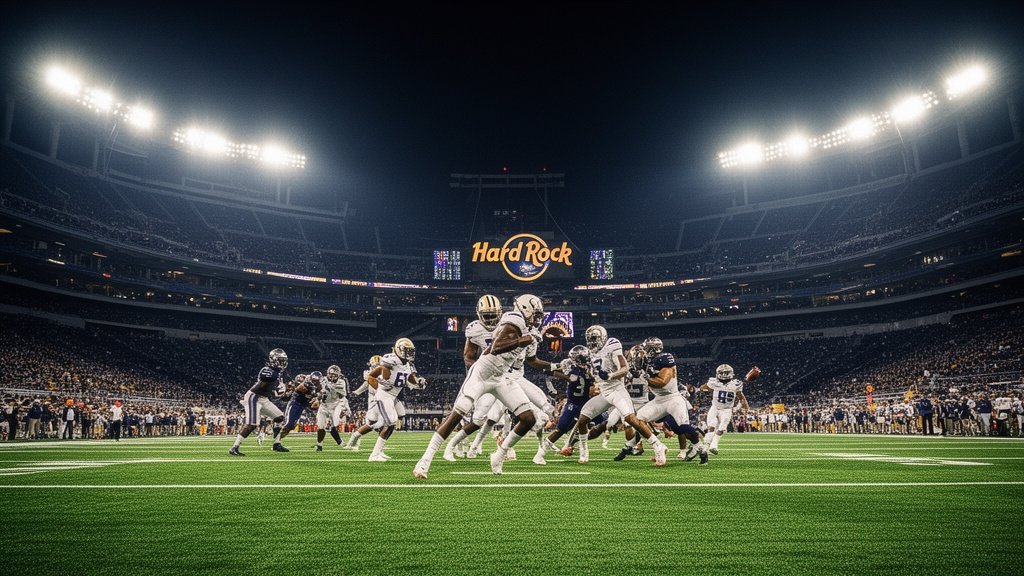
The No. 3 Miami Hurricanes kept their perfect season alive on Saturday, battling through a grueling, double-overtime war of attrition to secure a 43-35 victory over the Florida State Seminoles. In a rivalry game defined by dramatic momentum shifts, missed opportunities, and late-game heroics, Miami ultimately proved that their resilience matches their offensive firepower. Hard Rock Stadium erupted as the Hurricanes forced the decisive turnover, cementing a win that keeps them firmly in the hunt for the College Football Playoff.
Key Highlights
- Final Score: No. 3 Miami Hurricanes 43, Florida State Seminoles 35 (2OT).
- The Turning Point: A high-stakes second overtime period where Miami’s defense forced a critical stop, and the offense capitalized with a decisive touchdown and conversion.
- Season Implications: The victory preserves Miami’s undefeated record, keeping them as the primary ACC contender for a playoff spot, while deepening the crisis for a struggling Florida State program.
- Statistical Breakdown: Both teams combined for over 800 yards of total offense, highlighting a defensive struggle that turned into a shootout under the bright lights of prime time.
Anatomy of a Rivalry Instant Classic
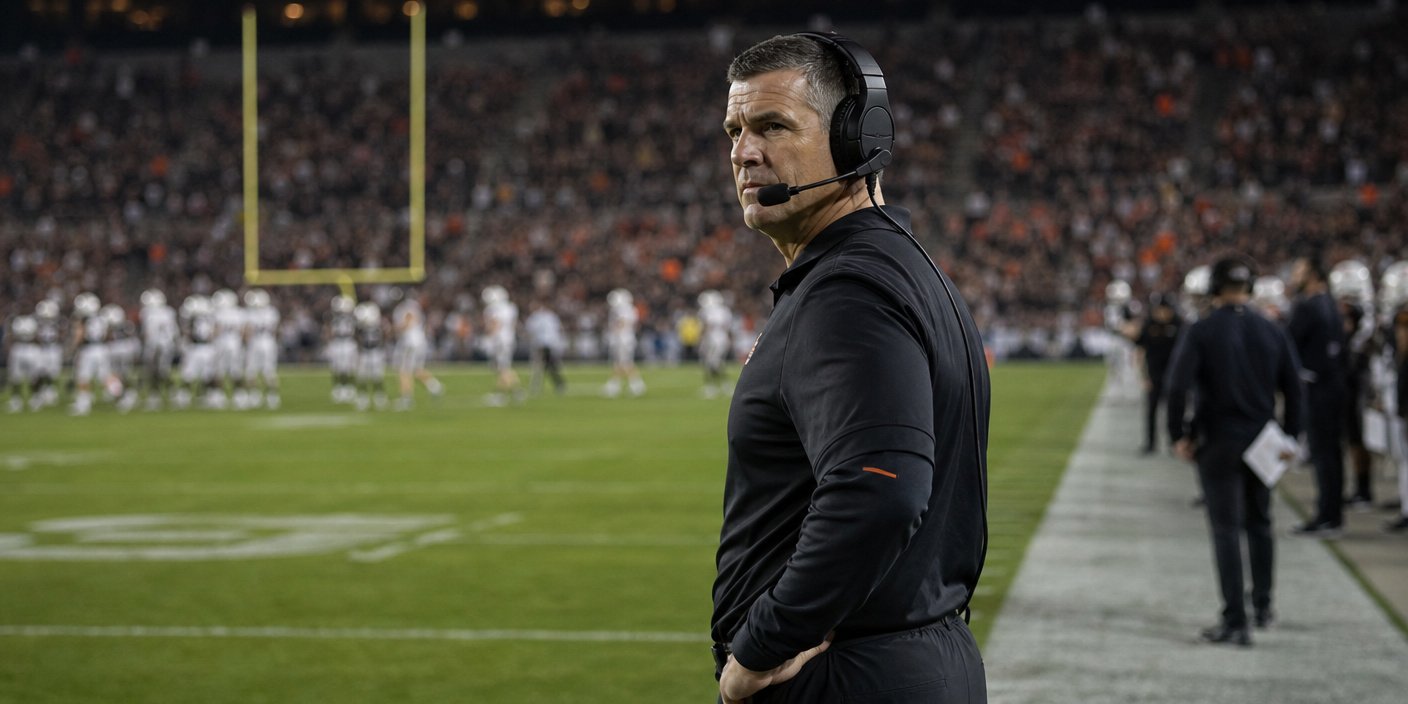
The atmosphere at Hard Rock Stadium was electric, a stark reminder of why the Miami-Florida State rivalry remains one of the most intense fixtures in college football. While the national narratives coming into the game focused on Miami’s ascent under head coach Mario Cristobal and the unexpected decline of Mike Norvell’s Seminoles, the game itself ignored those projections. For four quarters and two extra periods, the gap between the two programs felt non-existent.
Miami entered the contest as a heavy favorite, fueled by an offense that had been statistically dominant throughout the season. However, Florida State, fighting for pride and momentum after a difficult start to their 2024 campaign, executed a game plan that prioritized ball control and physical play at the line of scrimmage. The Seminoles played with a desperate energy that disrupted Miami’s rhythm, forcing the Hurricanes into uncharacteristic mistakes, including costly penalties and turnovers in the red zone.
The Momentum Swing
The first half was a back-and-forth affair, with neither team able to establish a dominant lead. Miami’s passing game, often the team’s greatest weapon, faced persistent pressure from a revitalized FSU defensive front. The Seminoles capitalized on this, shortening the game and keeping the Hurricanes’ potent offense on the sideline.
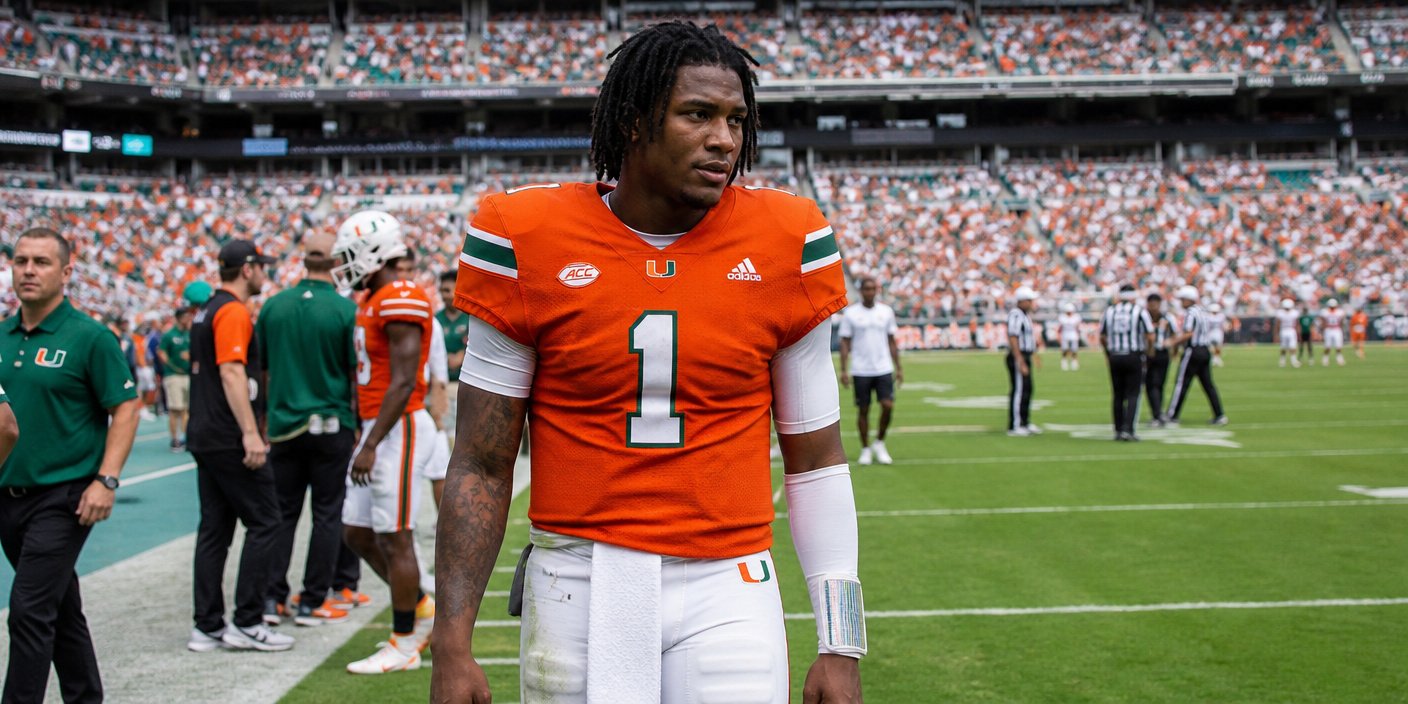
As the second half progressed, the tension became palpable. Every drive felt like a potential season-defining moment. Miami’s ability to respond to adversity—a hallmark of their current identity—was tested when they found themselves trailing in the fourth quarter. It was not a masterpiece of efficiency, but rather a display of sheer grit. Quarterback play for the Hurricanes ultimately settled the nerves, with crucial conversions on third-and-long keeping drives alive and eventually forcing the game into overtime.
The Overtime Crucible: Tactical Adjustments
When the game headed into overtime, the strategy shifted from long-term game planning to high-leverage situational execution. In the first overtime period, both teams traded scores. Miami’s offensive line, which had been inconsistent throughout the regulation four quarters, finally found its footing, opening lanes for the running game and giving the quarterback clean pockets to operate.
The Defensive Stand
The second overtime proved to be the undoing for the Seminoles. Miami’s defensive coordinator adjusted to FSU’s blitz packages, bringing pressure that forced the Seminoles into a series of negative plays. The defining moment of the game came on a forced fumble, recovery, and subsequent defensive stand that essentially sealed the win. When Miami regained possession, they needed only a few plays to reach the end zone, finishing the game at 43-35. The victory was a testament to the Hurricanes’ conditioning and depth, areas where they held a visible advantage over the Seminoles as the clock ticked past midnight.
Beyond the Box Score: Secondary Implications
While the scoreboard shows a Miami win, the implications of this game extend far beyond the final tally.
1. The ACC Power Balance
This win firmly entrenches Miami as the team to beat in the Atlantic Coast Conference. With the win, they remain in the driver’s seat for a championship game appearance. For the ACC, having an undefeated team ranked in the top five is critical for conference perception, especially as playoff discussions begin to ramp up in late October.
2. The Pressure on FSU’s Staff
For Florida State, the loss is heartbreaking but offers a sliver of hope in terms of team effort. The Seminoles played their best football of the season, suggesting that the team has not quit on the coaching staff. However, in the brutal landscape of the modern NIL and transfer portal era, ‘effort’ is not a metric that buys time. The loss raises questions about the long-term viability of the current roster construction in Tallahassee.
3. The Recruiting War
These games are rarely just about the game itself; they are massive recruiting advertisements. Miami’s ability to pull out a win in a high-pressure, televised rivalry game is a major asset when hosting recruits. Conversely, FSU will point to their competitive showing as evidence that they are ‘one or two players away’ from returning to glory. The battle for high school talent in the state of Florida remains as cutthroat as ever, and this game provided plenty of talking points for both coaching staffs to leverage on the recruiting trail.
FAQ: People Also Ask
Q: What was the critical turning point in the double-overtime victory?
A: The turning point occurred in the second overtime period when the Miami defense forced a turnover on downs and capitalized with a quick scoring drive, forcing Florida State to play catch-up with no margin for error.
Q: How does this win impact Miami’s College Football Playoff chances?
A: By maintaining their undefeated record, Miami remains a top-tier contender. Winning a rivalry game under intense pressure provides the committee with evidence of ‘resilience,’ which is a subjective but important factor in playoff selection.
Q: Did the result reflect the talent gap between the two teams?
A: Statistically, Miami was favored, but the game was closer than expected. It highlighted that in rivalry games, talent gaps are often mitigated by emotional investment and intense preparation, which Florida State brought to this matchup.
Q: What is next for the Florida State Seminoles?
A: The focus for FSU now shifts to salvage mode—attempting to build on the competitive aspects of this performance to develop younger players and establish a foundation for the 2025 season.