In a display of grit, tactical precision, and sheer endurance, the Miami Hurricanes have officially been crowned the No. 1 team in the nation. Following a dramatic 43-35 double-overtime victory against arch-rival Florida State, coupled with favorable outcomes for other top-ranked contenders, the Hurricanes have climbed to the pinnacle of the AP Top 25 poll. This achievement marks the program’s first time at the top of the rankings since the 2002 season, signaling a monumental shift in the college football landscape and a nostalgic, yet invigorated, return to prominence for “The U.”
Key Highlights
- Historic Ranking: The Hurricanes have secured the No. 1 position in the AP Top 25 poll for the first time since 2002, ending a 22-year drought.
- Double-Overtime Triumph: Miami outlasted Florida State in a 43-35 double-overtime thriller, proving their resilience in high-pressure environments.
- Undefeated Streak: The victory preserves the Hurricanes’ undefeated status, moving them into the primary position for the College Football Playoff conversation.
- Poll Dynamics: A combination of Miami’s resilient performance and losses by other top-ranked teams paved a clear, mathematically sound path to the No. 1 spot.
The Anatomy of a Championship-Caliber Win
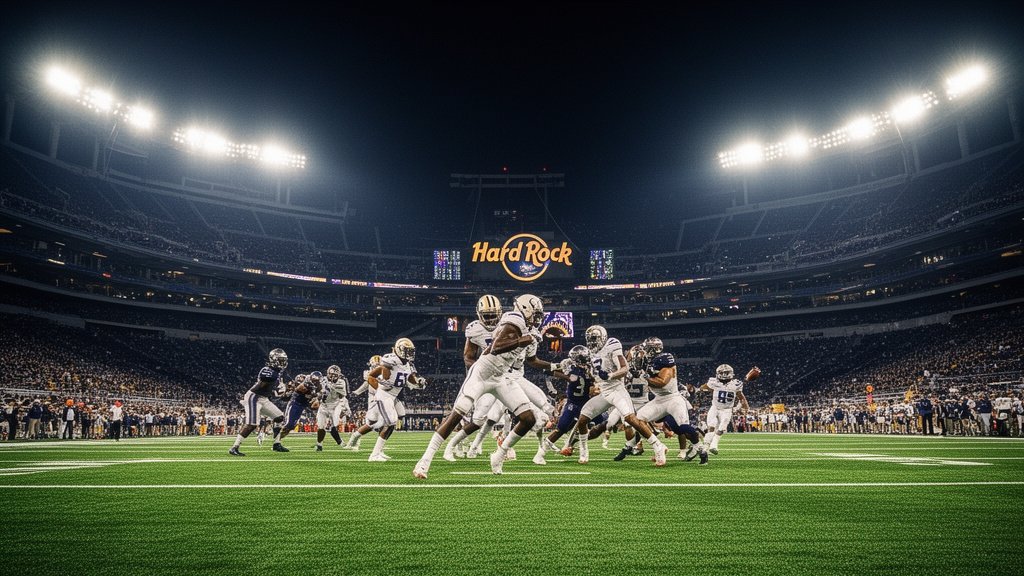
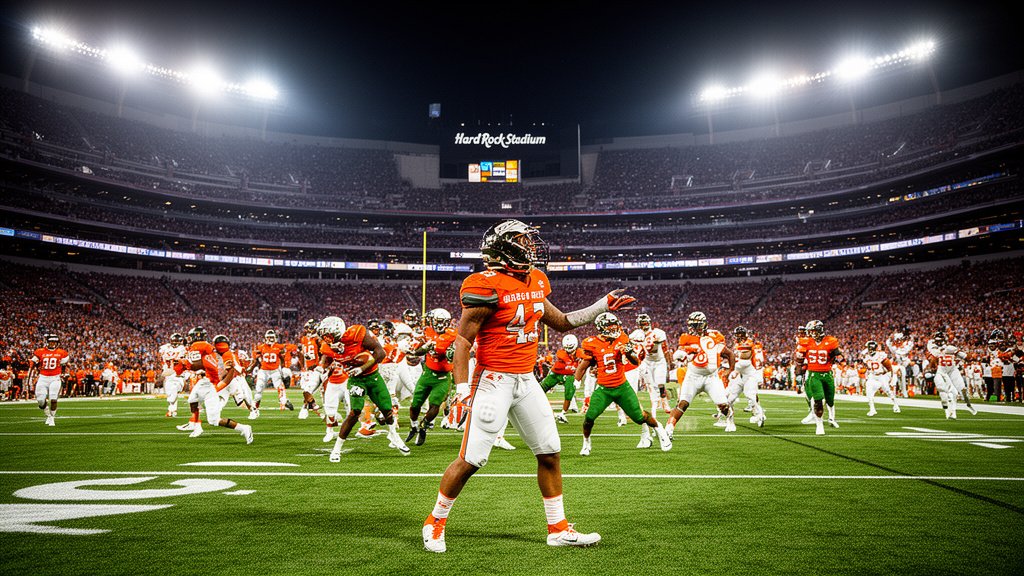
The contest at Hard Rock Stadium was not merely a game; it was an endurance test that will likely be cited as the turning point of the season. The 43-35 final score line barely captures the volatility of the matchup. Florida State, historically a spoiler in Miami’s quest for glory, pushed the Hurricanes to their absolute limit. Throughout regulation, both defenses traded blows, but the true theater occurred once the clock hit zero. In the first overtime period, both teams remained deadlocked, requiring a second frame where Miami’s offense ultimately executed with a surgical precision that has been largely missing from the program for over two decades.
This specific victory provides more than just a notch in the win column; it provides data for the College Football Playoff committee. In the modern era of college football, the “eye test” is as critical as the record. By surviving a double-overtime game—a scenario that often trips up pretenders—the Hurricanes demonstrated the mental fortitude required to sustain a championship run. The ability to execute in the red zone during the high-pressure environment of the second overtime period is the hallmark of a team that is not just winning, but evolving.
Reclaiming the ‘The U’ Legacy: A Historical Pivot
The 2002 season was the last time the Miami Hurricanes could claim the top spot in the AP Top 25. For two decades, the program has existed in a state of flux, navigating coaching changes, recruitment droughts, and cultural adjustments. This current No. 1 ranking is not just a statistical anomaly; it is a cultural vindication. For the generations of fans who grew up watching the dominant Miami squads of the late 80s and early 2000s, this ranking feels less like a surprise and more like a reclamation of identity.
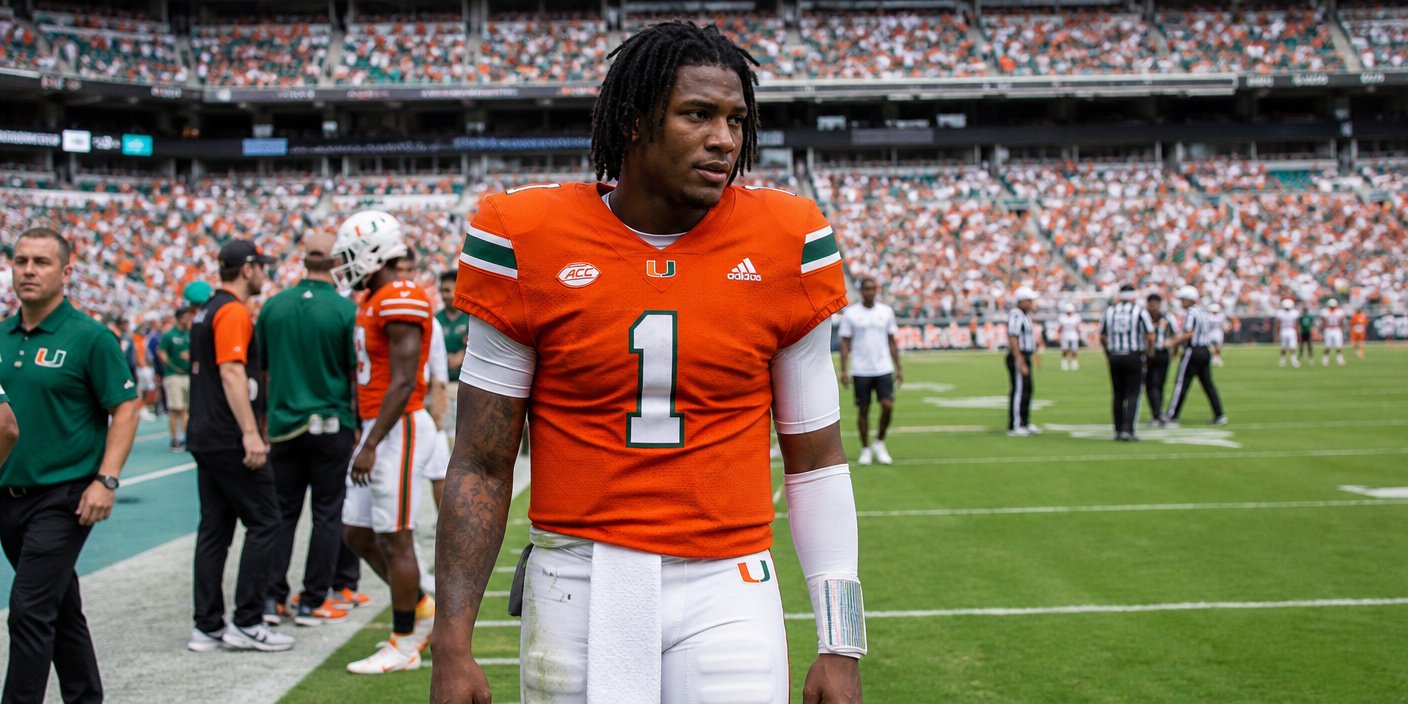
However, the modern Hurricanes are distinct from their predecessors. While the 2002 team was built on pure, overwhelming athletic superiority, the 2024 iteration is defined by adaptability. This team has shown a unique capacity to win through different channels—sometimes through the air, sometimes through the ground game, and, as proven against Florida State, through sheer late-game determination. The historical weight of being ranked No. 1 brings an entirely new set of pressures, including the target it places on the team’s back, but it also serves as a powerful recruiting tool. High-level prospects gravitate toward programs that have proven they can navigate the climb to the top.
The Landscape Shift and Strategic Outlook
The climb to No. 1 was not solely dependent on Miami’s own performance; it was aided by a chaotic weekend of college football that saw several high-ranked competitors stumble. While other contenders faltered, Miami’s ability to control their own destiny—even when forced into overtime—is what ultimately impressed the AP voters.
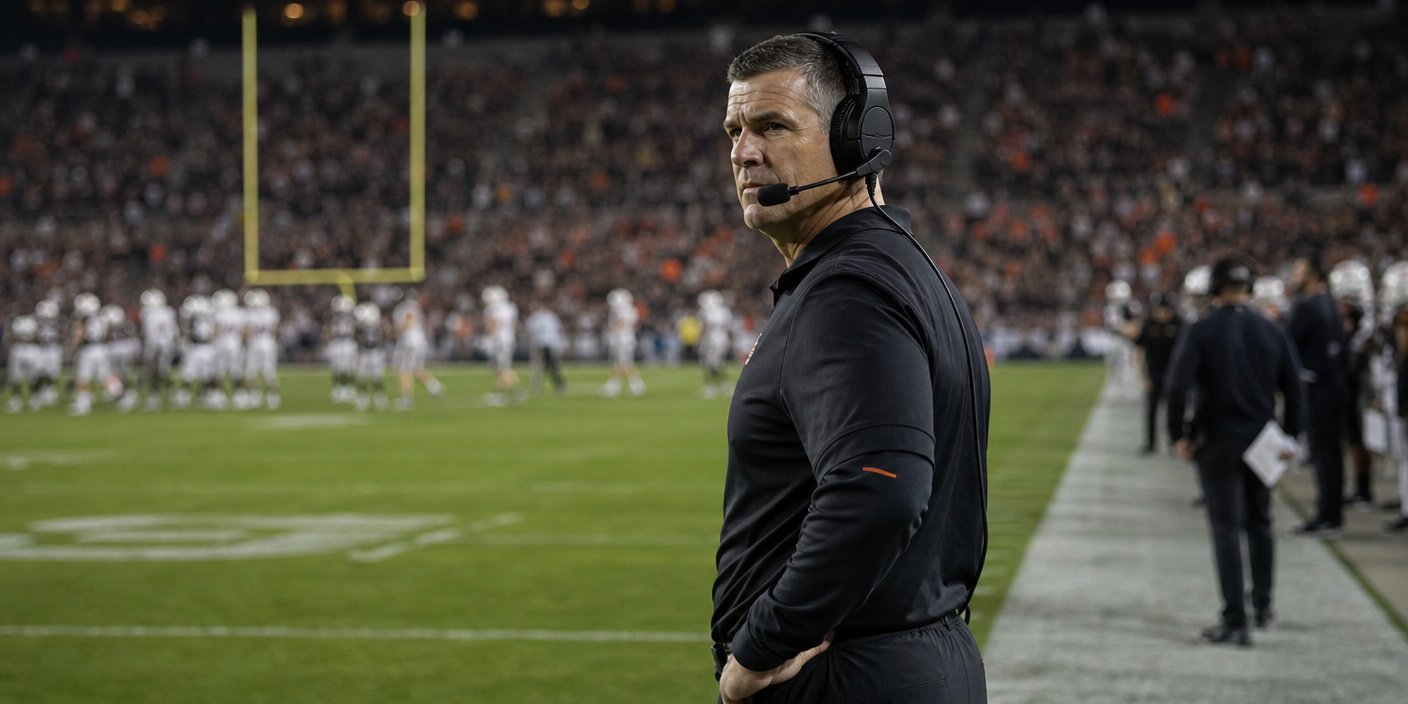
Looking ahead, the road to the National Championship is now the only focus. The team’s schedule remains rigorous, and the status of being the “hunted” rather than the “hunter” changes the preparation dynamic. Coaching staff must now manage the psychological aspect of success, ensuring that players do not succumb to the complacency that often follows such a prestigious ranking. Furthermore, this victory against an in-state rival like Florida State serves as a barometer for the rest of the ACC. If Miami can maintain this momentum, they are not only looking at a path to the conference championship but are firmly in the driver’s seat for the College Football Playoff bracket.
FAQ: People Also Ask
Q: How long has it been since the Miami Hurricanes were ranked No. 1?
A: This week marks the first time the Miami Hurricanes have held the No. 1 spot in the AP Top 25 poll since the 2002 season.
Q: What was the final score of the Miami vs. Florida State game?
A: The Hurricanes defeated the Florida State Seminoles 43-35 in a double-overtime thriller.
Q: How does this win impact the College Football Playoff standings?
A: As an undefeated team in a major conference, this win—combined with losses by other top-ranked competitors—places Miami at the forefront of the playoff conversation, significantly improving their odds of securing a top seed.
Q: What makes this year’s Miami team different from recent years?
A: While historical teams relied heavily on singular athletic advantages, this iteration of the Hurricanes has demonstrated consistent adaptability, the ability to win close, high-pressure games, and a resilient mindset that has allowed them to stay undefeated through critical matchups.