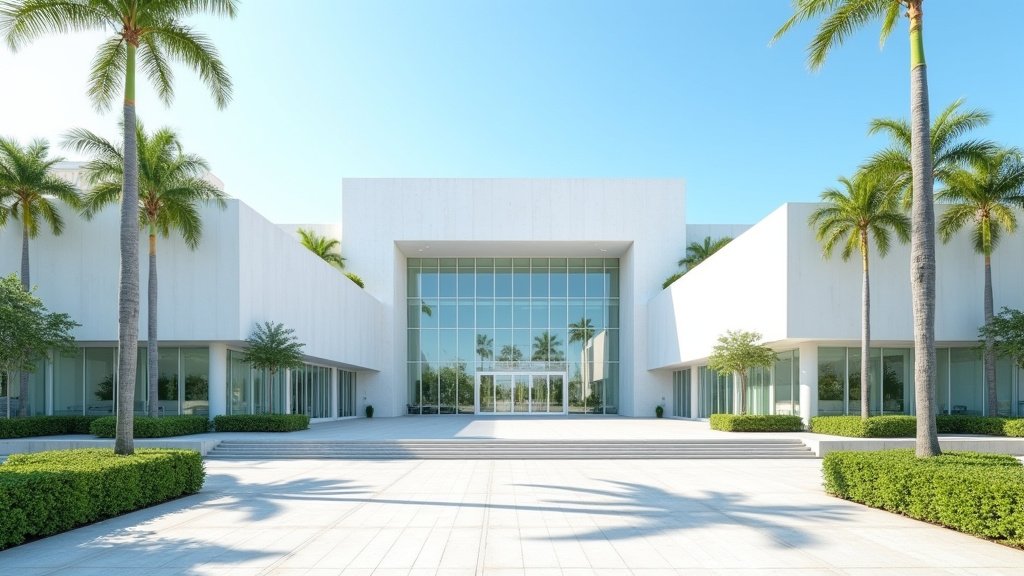
Art Basel will remain the cornerstone of Miami’s cultural calendar for the foreseeable future, as Miami Beach commissioners have officially finalized a new agreement that secures the premier art fair’s presence in the city through 2031. This landmark “redesign” of the relationship between the city and MCH Group, the organizers of Art Basel, introduces a sophisticated new fiscal framework and a set of operational mandates designed to protect the event’s exclusivity while offering tangible benefits to local residents. The deal marks a strategic pivot in how the city manages its most high-profile international attraction, balancing the need for global luxury tourism with the quality-of-life concerns of Miami Beach inhabitants.
Key Highlights
- Contract Extension: Art Basel is locked into Miami Beach until 2031, providing long-term stability for the event’s operations and planning.
- Fiscal Restructuring: The base license fee for the Miami Beach Convention Center is set at $500,000 for 2026, with structured annual increases built into the contract to keep pace with economic growth.
- Resident-First Access: A significant win for locals, the deal mandates new community benefits, including half-price presale tickets for Miami Beach residents.
- Market Exclusivity: To maintain the prestige and focus of Art Basel, a strict 30-day “no-compete” ban has been implemented, prohibiting competing art fairs from operating in the vicinity immediately before and after the event.
A New Era for the Miami Art Ecosystem
The finalization of the contract extension represents more than just a logistical renewal; it signifies a “redesign” of the partnership model. By stabilizing the arrangement through 2031, both the City of Miami Beach and MCH Group have effectively eliminated the uncertainty that often plagues long-term event contracts. The move is strategically designed to solidify Miami’s position as the permanent North American hub for the global contemporary art market, even as competition from other international art capitals intensifies.
The Fiscal Framework and Economic Scaling
At the heart of the new agreement is a modernized financial structure. The $500,000 base license fee slated for 2026 serves as a recalibration of the city’s revenue model. Rather than a flat, static fee, the contract incorporates scheduled annual increases. Financial analysts and city officials argue that this escalation model is necessary to reflect the growing economic footprint of the week-long event, which historically injects hundreds of millions of dollars into the local economy through hospitality, retail, and high-end tourism. By institutionalizing these increases, the city ensures that the financial return on the use of the Miami Beach Convention Center scales in tandem with the fair’s commercial success.
The 30-Day Buffer: Protecting the Brand
Perhaps the most contentious and significant operational change is the enforcement of the 30-day non-compete clause. Historically, the proliferation of “satellite fairs” and smaller pop-up galleries has been a hallmark of Art Basel week. While these events contribute to the overall energy of the week, there has been mounting pressure from the primary organizers and city officials to curate the experience more tightly.
By banning competing art fairs within a 30-day window before and after the event, the city and organizers are effectively attempting to “ring-fence” the Art Basel experience. This move is designed to reduce event saturation and ensure that the focus of the art market remains squarely on the primary exhibition. For collectors and industry professionals, this means a more focused, high-stakes environment; for the city, it means better management of traffic, logistics, and resource allocation during the peak December period.
Empowering the Local Community
Historically, critics of massive cultural events like Art Basel have argued that the local community is often displaced or alienated by the influx of international ultra-high-net-worth individuals. The new deal directly addresses these equity concerns. By mandating half-price presale tickets for Miami Beach residents, the city is acknowledging that the convention center is a public asset and that the event—regardless of its global prestige—must remain accessible to the community that hosts it. This democratization of access is a calculated move to foster deeper “buy-in” from residents, transforming the event from an “invasion” of tourists into a celebrated local institution.
Secondary Angles: Beyond the Contract
1. The Saturation Paradox: Can Less be More?
The implementation of the 30-day non-compete clause raises a fascinating question: is the “Art Basel ecosystem” approaching a point of saturation? By limiting competing fairs, the city is betting that quality will trump quantity. If the move is successful, it could set a precedent for other major event cities (like London or Hong Kong) to implement similar exclusivity protections, potentially changing the business model for independent art fair organizers who rely on the “halo effect” of the major event.
2. Infrastructure as a Cultural Lever
With the agreement set for 2031, the focus will now shift toward the future of the Miami Beach Convention Center itself. This extension gives the city the clarity needed to invest in technological and aesthetic upgrades to the venue. Expect to see discussions regarding sustainability, smart-building integration, and carbon-neutral logistics, as Art Basel and Miami Beach attempt to position themselves as leaders in the “green event” movement.
3. The Future of ‘The Art Capital’
This deal is a declaration of intent. As other cities in the US attempt to lure away high-profile art events, Miami is doubling down. The “redesign” isn’t just about money; it’s about branding. By binding themselves to 2031, both parties are telegraphing to the international art community that Miami Beach is not a transient destination but the permanent bedrock of the Western Hemisphere’s art market.
FAQ: People Also Ask
Q: How does the new Art Basel contract affect the price of tickets for non-residents?
A: The agreement specifically mandates half-price presale tickets for Miami Beach residents. It does not dictate or cap ticket prices for the general public or international visitors, which are set by the organizers based on market demand and exhibition exclusivity.
Q: Will the 30-day non-compete clause eliminate all satellite art fairs in Miami?
A: Not necessarily. The clause is specific to “competing art fairs” within the established window. Smaller gallery showcases, hotel-based installations, or private events that do not qualify as major, multi-vendor art fairs may still operate. However, this clause significantly raises the barrier to entry for new, competing commercial fair brands.
Q: What happens if the local economy dips before 2031?
A: The contract is designed with structured, escalating annual increases. While the specific terms account for market fluctuations, the city has secured a fixed revenue stream through 2031. This provides the municipality with a predictable budget forecast, regardless of the annual volatility often associated with the luxury art market.