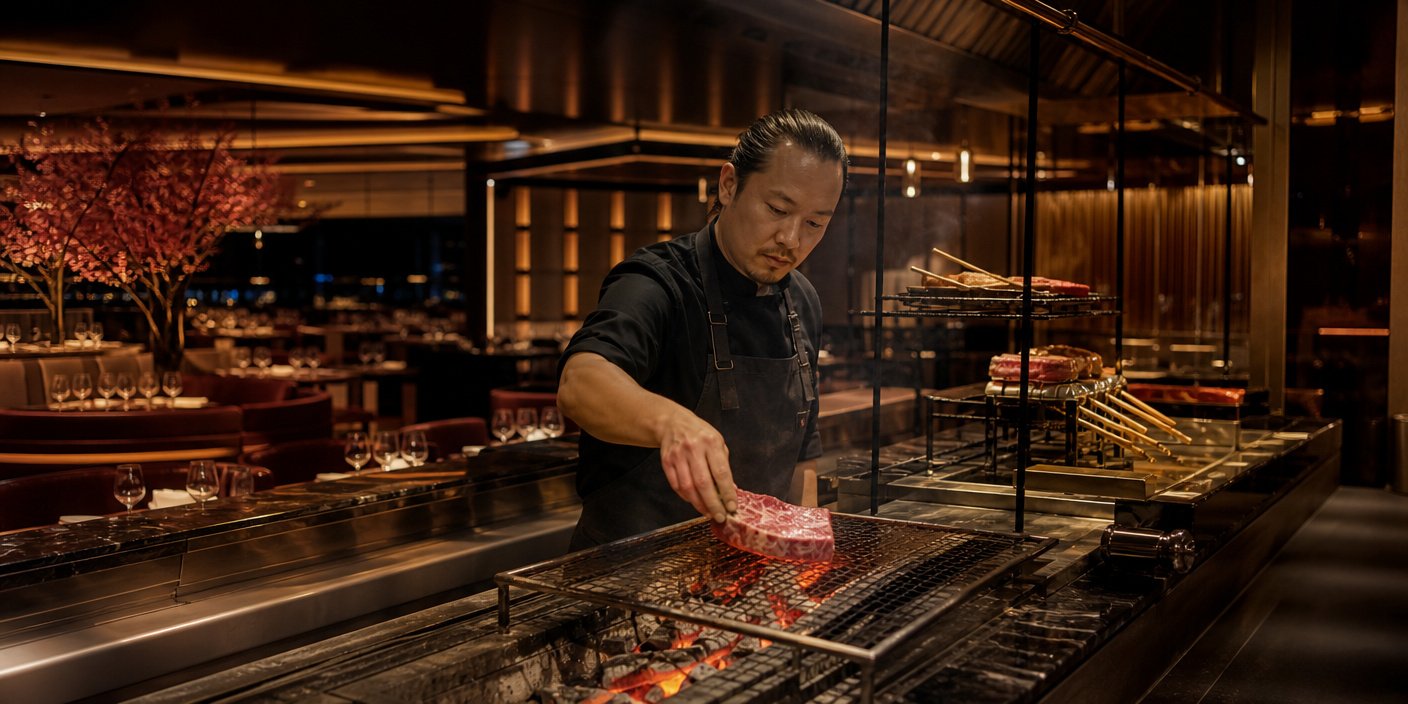
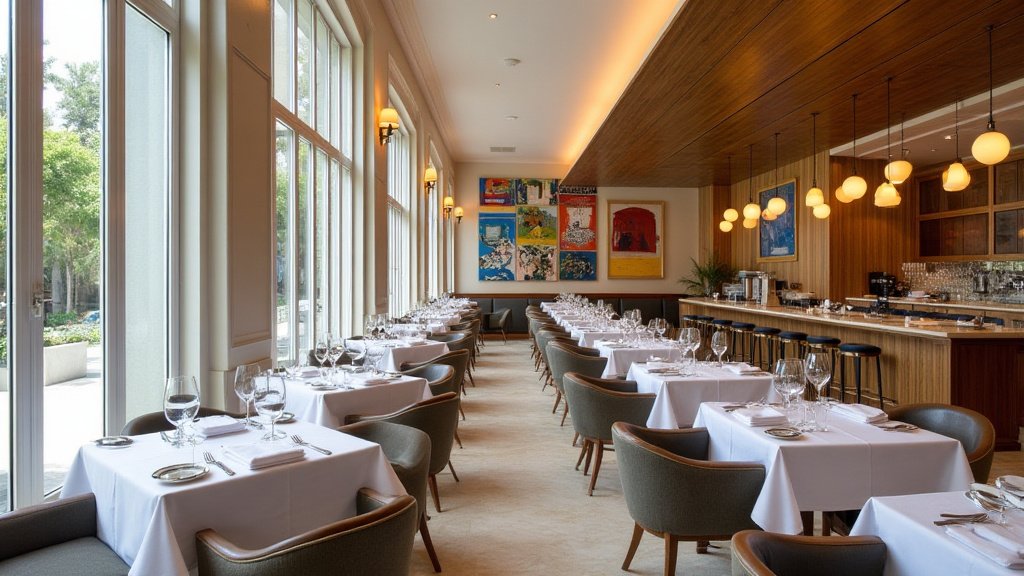
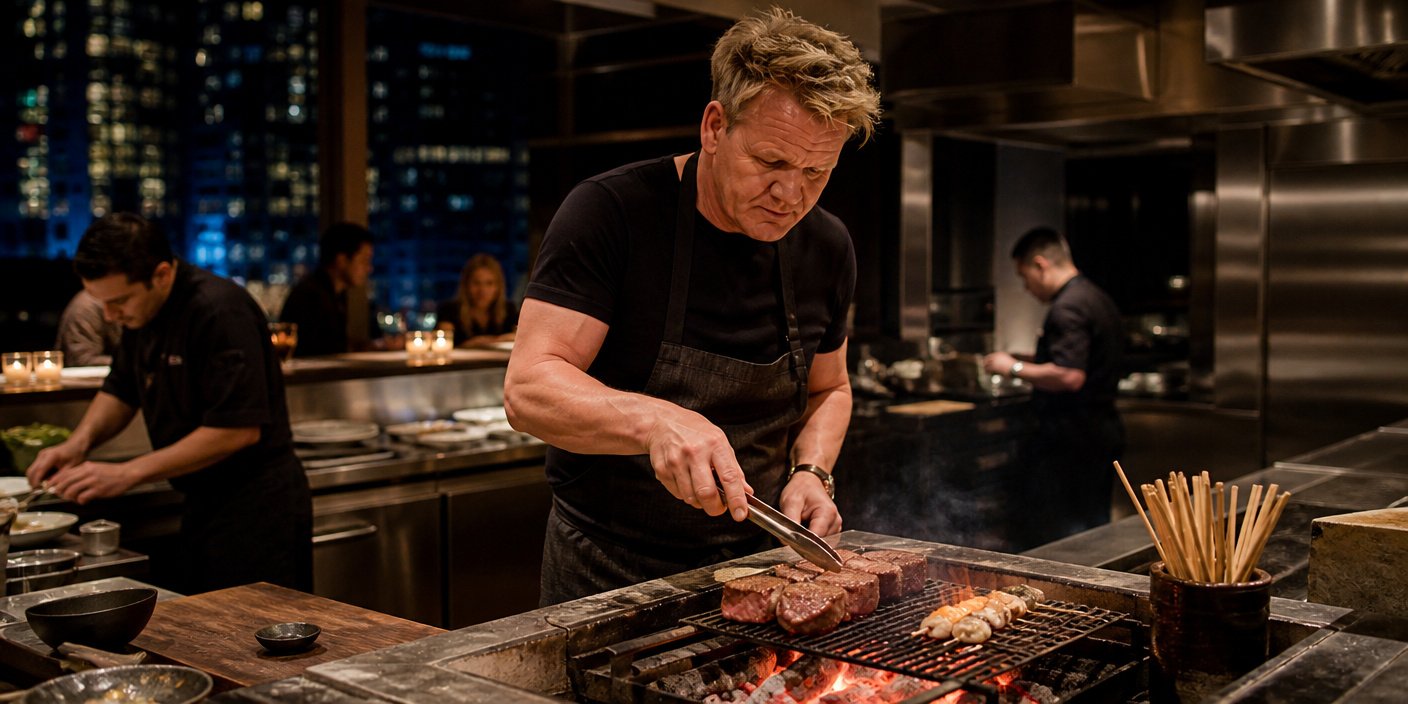
The culinary landscape of Miami is set for a high-profile transformation as Chef Gordon Ramsay’s Lucky Cat in the South of Fifth (SoFi) neighborhood prepares to unveil a radical new identity. On November 25, 2026, the venue will officially reopen its doors as “Lucky Cat Steak,” a pivot that signals a strategic move toward the intersection of Japanese robata precision and the elite demands of a modern steakhouse. As part of our comprehensive look at the Miami restaurant openings to know this November, this reimagined space represents more than just a menu overhaul; it is a calculated response to the city’s shifting palate and the increasing demand for specialized, high-luxury dining experiences that blend global techniques with traditional comfort. ### The Evolution of the Lucky Cat Concept The transition from the original Lucky Cat concept—which garnered attention for its vibrant, pan-Asian street food-inspired menu—to a focused “Lucky Cat Steak” identity is a significant evolution for Gordon Ramsay North America (GRNA). The original concept sought to capture the energy of 1930s Tokyo kissas, but market analysis in the South of Fifth district has dictated a shift. The new iteration recognizes that the Miami luxury dining demographic is increasingly seeking the “Steakhouse 2.0” experience. This involves moving away from traditional, heavy American-style steakhouses toward lighter, more intricate Asian preparations of premium proteins. By narrowing the focus to Wagyu and robata-grilled offerings, Ramsay is doubling down on technical execution rather than menu breadth. This strategy is intended to position the restaurant not as a destination for variety, but as a destination for expertise. ### Culinary Architecture: The Robata and Wagyu Focus At the heart of the new Lucky Cat Steak experience is the robata grill—a traditional Japanese method of fireside cooking that utilizes binchotan charcoal. The choice of equipment is deliberate. Unlike standard gas-fired grills common in traditional steakhouses, the robata provides a distinct infrared heat source that sears the exterior of the protein while maintaining a tender, buttery interior—a crucial requirement when dealing with high-marbling Wagyu beef. The menu will feature a curated selection of A5 Wagyu and various prime cuts, each prepared with techniques that emphasize the meat’s provenance. This is not merely grilling; it is culinary chemistry. The inclusion of Robata-grilled sides, such as seasonal vegetables and delicate seafood, further integrates the Asian-inspired philosophy. For the diner, this creates a cohesive meal where the appetizer, main, and side dishes share a flavor profile centered on smoke, salt, and umami, moving away from the discordant pairings often found in multi-cuisine venues. ### The South of Fifth Strategic Positioning South of Fifth is arguably the most competitive, high-barrier-to-entry dining corridor in Miami. With real estate prices per square foot hovering at the peak of the market, restaurants here cannot afford to be “good”—they must be essential. By reopening in late November, Lucky Cat Steak is strategically positioning itself for the upcoming peak season, ensuring the concept is refined and operational before the influx of seasonal residents and holiday tourists arrive in mid-December. This move also addresses the “SoFi fatigue”—a phenomenon where neighborhood regulars grow bored of the same concepts. By stripping back to a focused steakhouse model, Ramsay is positioning the brand to compete directly with existing titans of the Miami luxury dining space. The atmosphere is reportedly being adjusted to match, with warmer, more intimate lighting, and a refined interior design that favors the quiet luxury aesthetic currently dominating high-end restaurant architecture globally. ### Supply Chain and Quality Control A critical component of this pivot is the logistics of beef procurement. To operate a high-tier steakhouse in 2026, the reliance on top-tier global supply chains is paramount. Ramsay’s team has emphasized that the Wagyu program at the new Lucky Cat Steak will source from specific, small-batch suppliers rather than broad-market distributors. This vertical integration allows for a degree of control that is necessary to justify the premium price points expected at a venue of this caliber. The training of the kitchen brigade has also undergone a total shift. Transitioning a kitchen staff from a diverse, fast-paced pan-Asian menu to a hyper-focused, technique-driven steakhouse environment requires a specific level of discipline. The staff has been undergoing intense sessions focused on meat aging, fat rendering, and the specific thermal dynamics of binchotan charcoal. This investment in human capital is the invisible backbone of the restaurant’s promise to deliver a consistent, world-class experience from opening night. ### Looking Ahead: The Future of the Brand The November 25, 2026, launch will be a barometer for the Gordon Ramsay brand’s agility. If the Lucky Cat Steak concept succeeds, it provides a blueprint for GRNA to convert other underperforming or “concept-heavy” locations into these more focused, high-margin steakhouse models. In a market that is increasingly punishing restaurants that try to do too much, the trend is moving toward the specialist—and this new Miami chapter is the most aggressive example yet of that shift in action.
Lucky Cat Steak: Ramsay’s High-Stakes Evolution in Miami
 Lucky Cat Steak: Ramsay’s High-Stakes Evolution in Miami