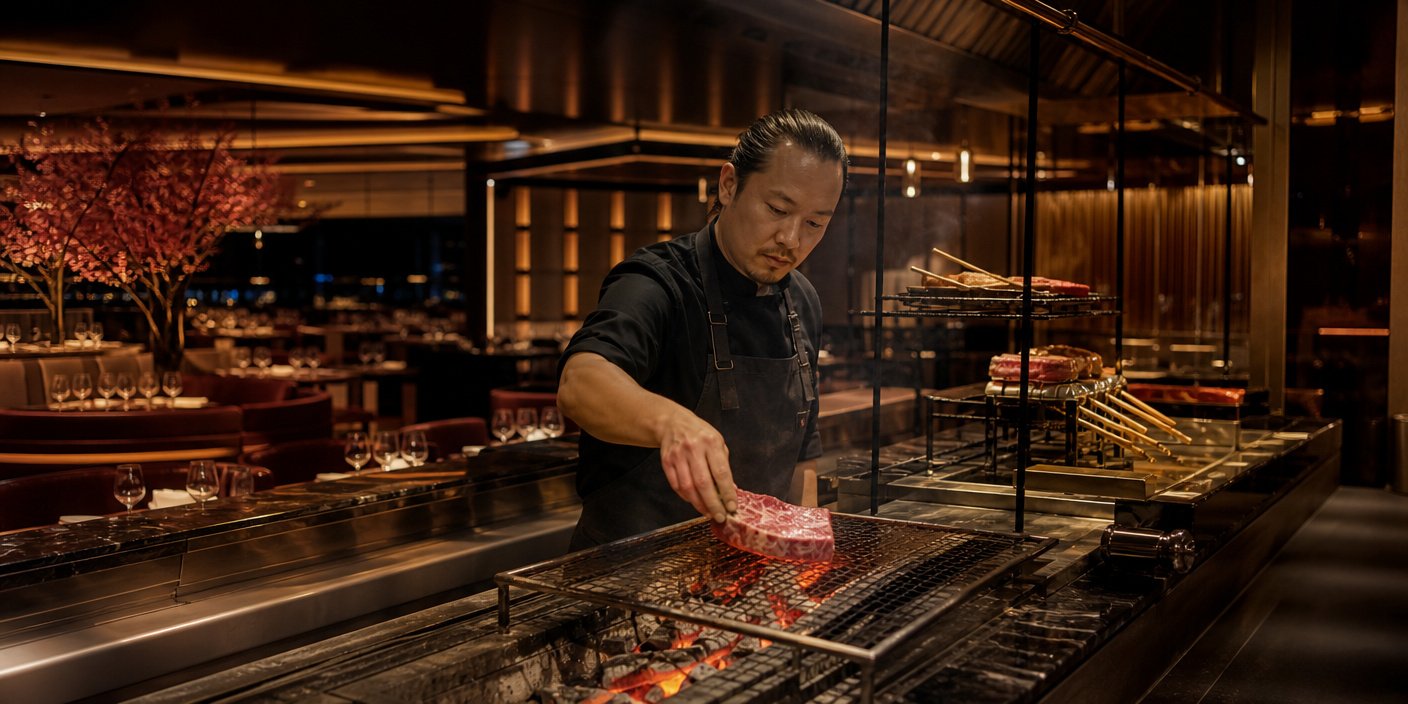
Chef Gordon Ramsay’s South of Fifth establishment, Lucky Cat, is set to reopen on November 25, 2026, debuting as an upscale Asian-inspired steakhouse. This strategic pivot marks a significant evolution for one of Miami’s most coveted dining locations, shifting from its previous identity to a specialized culinary venue that blends traditional robata-grilling techniques with the demand for ultra-premium beef. The reopening represents not just a menu change, but a complete operational overhaul aimed at capturing the high-net-worth demographic that defines the South of Fifth corridor.
Key Highlights
- Official Reopening: November 25, 2026, in the heart of the South of Fifth neighborhood.
- Concept Pivot: Rebranding from a general Asian concept to a high-end, Asian-inspired steakhouse.
- Culinary Focus: Utilization of signature robata-grilled specialties and a curated selection of premium Wagyu cuts.
- Strategic Intent: Aligning the Ramsay brand with the specific luxury dining preferences of the Miami Beach market.
The Strategic Evolution of South of Fifth Dining
The decision to pivot the Lucky Cat concept in South of Fifth is a calculated move that reflects broader trends in Miami’s hyper-competitive luxury restaurant sector. South of Fifth, widely considered the most exclusive residential enclave in Miami Beach, requires a specific approach to hospitality—one that balances exclusivity, high-quality sourcing, and an atmosphere that caters to a global, transient, yet affluent clientele. By rebranding Lucky Cat into an Asian-inspired steakhouse, the Gordon Ramsay restaurant group is tapping into the intersection of two of the most lucrative dining genres: the sophisticated, umami-forward flavor profile of East Asian cuisine and the reliable, high-ticket appeal of the modern steakhouse.
The Art of the Robata Grill
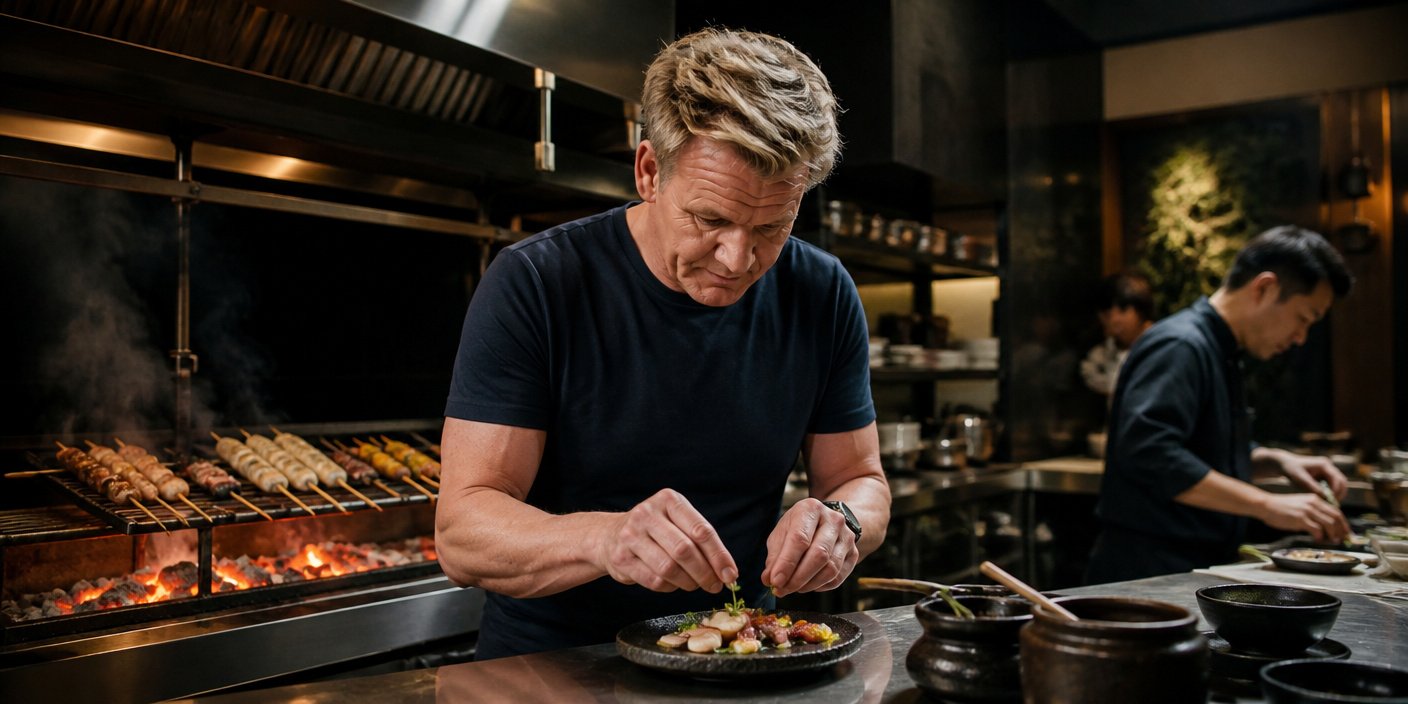
At the center of this new concept is the robata grill. The robata-yaki technique—a method of slow-grilling over binchotan charcoal—is notoriously difficult to master but highly rewarding. By integrating this into a steakhouse framework, the restaurant aims to elevate the traditional steakhouse experience. Instead of the typical American broiled steak, guests can expect Wagyu cuts that benefit from the smoky, precise heat of the robata, resulting in a depth of flavor that is distinct from traditional western steakhouses. This technical focus justifies the higher price point expected in this zip code and differentiates the venue from the numerous steak-centric competitors in the area.
Catering to the Wagyu Market
Premium Wagyu has become a mandatory inclusion for any high-end steakhouse aiming for critical and commercial success. By placing Wagyu at the forefront of the menu, Ramsay is signaling a commitment to sourcing transparency and quality. The restaurant’s supply chain will prioritize A5-grade beef, ensuring that the ‘steakhouse’ label is backed by genuine luxury credentials. This is not merely a change in menu items; it is a change in the supply chain logistics and chef training required to handle such high-value proteins. The preparation of Wagyu requires a delicate balance of heat control, which the robata-trained kitchen staff will provide, bridging the gap between Japanese culinary tradition and American steakhouse culture.
Market Dynamics and Economic Outlook
Beyond the menu, the economic timing of this reopening is notable. The South of Fifth market has seen a sustained influx of high-net-worth residents who demand ‘destination dining’ within walking distance of their residences. Ramsay’s group likely identified a gap in the market for a venue that offers the prestige of a steakhouse with the lighter, more nuanced flavor profiles associated with high-end Asian cuisine. This pivot allows the restaurant to serve multiple dining ‘use cases’—from casual, high-quality mid-week dinners to opulent weekend celebrations. By narrowing the scope of the menu while increasing the quality of the primary offerings, the business is positioning itself to be more operationally efficient while maintaining a high average check per guest.
The Future of Celebrity-Led Dining in Miami
As Ramsay continues to expand his global empire, this Lucky Cat relaunch serves as a blueprint for how legacy brands can adapt to local market pressures. The South of Fifth location acts as a proving ground for the ‘Asian Steakhouse’ hybrid model. If successful, this concept could be rolled out to other urban hubs where the Ramsay brand competes with legacy steakhouses and contemporary fusion spots. The integration of celebrity branding with a hyper-specific, high-quality culinary niche is becoming the gold standard for global restaurateurs looking to maintain relevance in an increasingly saturated ‘influencer’ dining market.
FAQ: People Also Ask
Q: What is the primary difference between the original Lucky Cat and the new steakhouse?
A: The primary difference lies in the menu architecture. While the original Lucky Cat focused on a broader range of Asian-inspired dishes, the new iteration is a specialized steakhouse. It narrows the focus to robata-grilled specialties and premium Wagyu, offering a more streamlined, high-end experience tailored to the steakhouse format.
Q: Why did Gordon Ramsay choose South of Fifth for this concept?
A: South of Fifth is one of Miami’s most affluent neighborhoods, characterized by a concentration of high-net-worth residents and luxury travelers. The location provides the necessary foot traffic and demographic density required to support a high-ticket, premium steakhouse concept.
Q: When exactly will the venue reopen?
A: The official reopening date for the reimagined restaurant is November 25, 2026.
Q: Will the restaurant still serve non-steak options?
A: While the brand is shifting toward a steakhouse model, the concept retains its ‘Asian-inspired’ roots, suggesting that high-end appetizers, sides, and robata-grilled seafood or vegetable dishes will likely complement the steak-centric main courses.