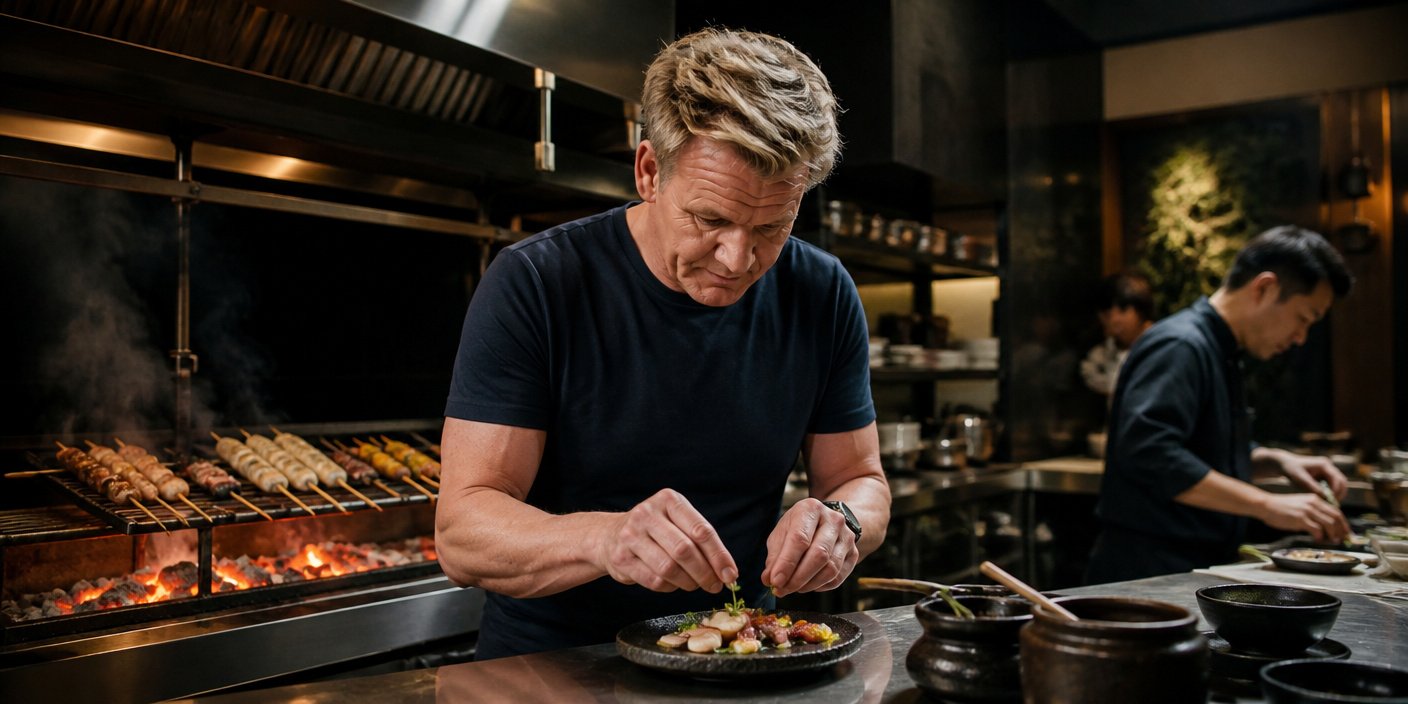
Renowned chef and television personality Gordon Ramsay is set to shake up the South Florida culinary scene with the grand opening of his latest venture, Lucky Cat Steak, in Miami Beach. Scheduled to open its doors on November 25, 2026, the restaurant promises a high-energy dining experience that marries the sophistication of Japanese and Korean fusion with the distinct, vibrant atmosphere of Miami. Located at 119 Washington Avenue, the 152-seat venue is poised to become a marquee destination for both local food enthusiasts and international travelers, further cementing Ramsay’s status as a global restaurateur.
Key Highlights
- Official Opening Date: November 25, 2026.
- Prime Location: 119 Washington Avenue, Miami Beach, featuring a 152-seat capacity.
- Culinary Focus: A unique fusion of Japanese and Korean flavor profiles, anchored by a traditional robata grill.
- Strategic Expansion: This location marks a significant step in the global growth of the Lucky Cat brand, tailored specifically to the high-energy Miami market.
The Anatomy of an Opening: Lucky Cat’s Miami Evolution
The arrival of Lucky Cat Steak in Miami Beach is not merely the opening of another restaurant; it represents a calculated expansion of Ramsay’s diverse portfolio into the ultra-competitive South Florida market. While many celebrity-branded restaurants struggle to maintain relevance, the “Lucky Cat” brand—originally inspired by the drinking clubs of 1930s Tokyo—has already established a reputation for high-quality, focused execution. Bringing this concept to Miami, specifically to the historic and bustling Washington Avenue corridor, suggests a clear strategy: providing a high-octane alternative to the standard steakhouse experience.
The Convergence of East and West
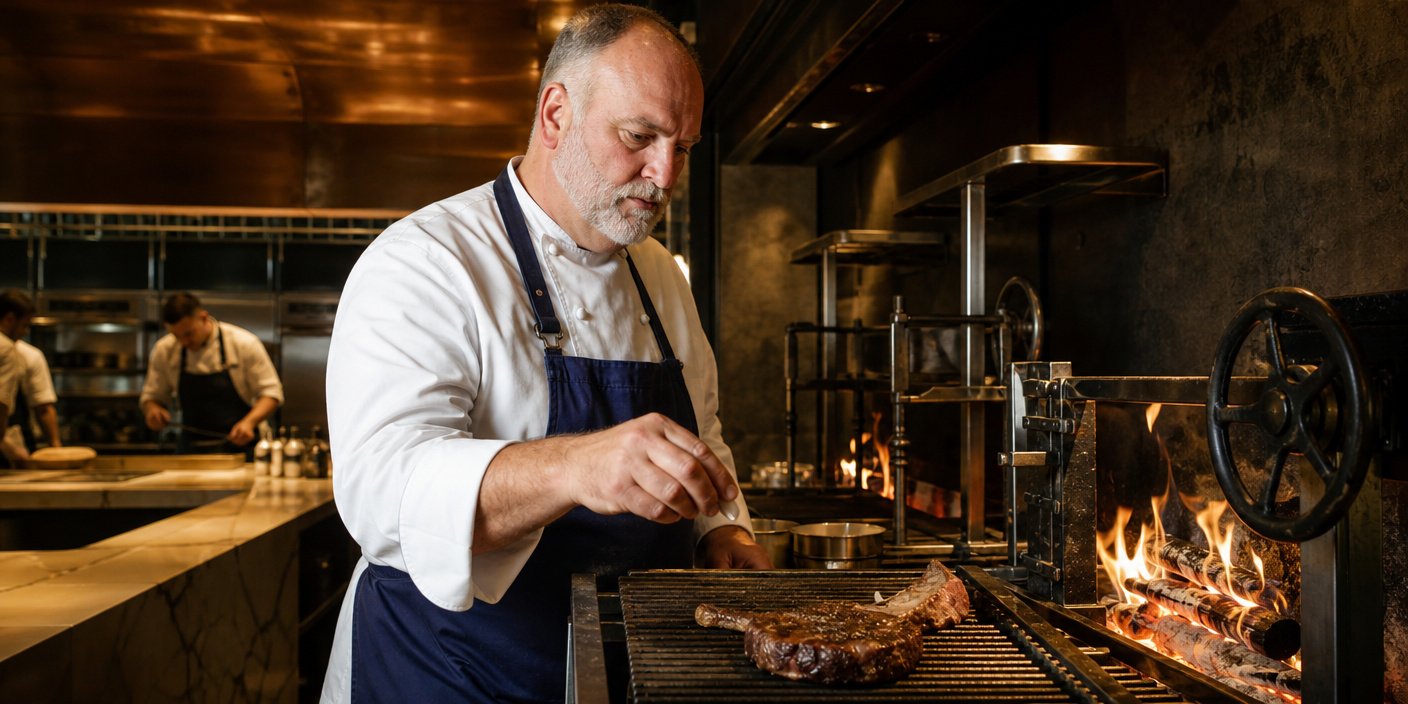
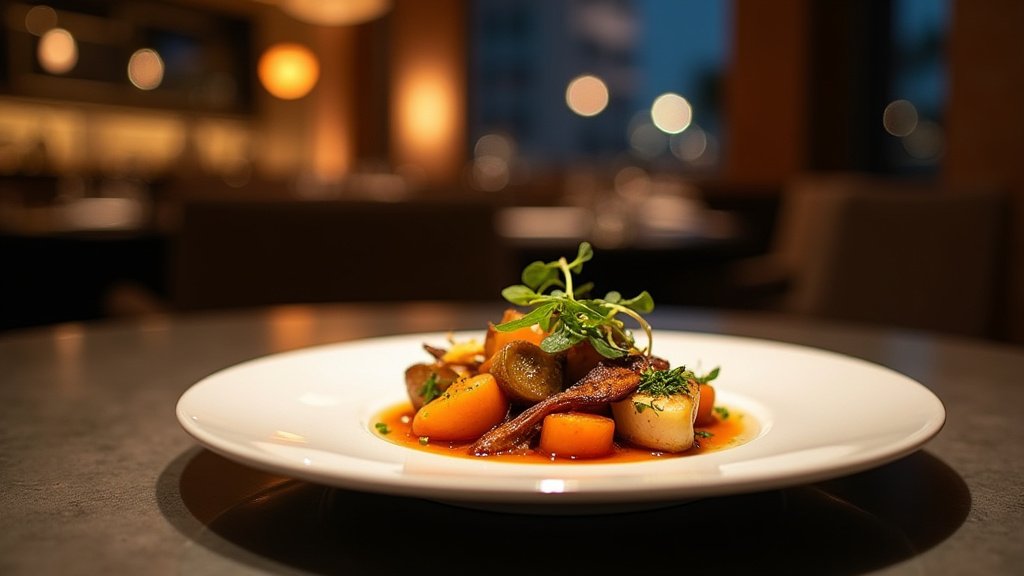
At the core of the restaurant’s appeal is the menu, which moves beyond the traditional steakhouse blueprint. By integrating Japanese and Korean influences, Ramsay is leaning into the current consumer trend for “global fusion” that prioritizes bold, fermented, and umami-rich flavors over the heavy butter-and-cream profiles of classic French or American steakhouses. The centerpiece of the kitchen is the robata grill. The robata, a method of cooking over charcoal, allows for precise heat control, imparting a distinct smoky flavor to proteins and vegetables alike. This technique aligns perfectly with the Miami palate, which increasingly favors lighter, grill-focused, and highly texturized cuisine. Expect to see high-grade wagyu beef and locally sourced Floridian seafood, bridged by signature Korean marinades and Japanese plating techniques.
Why 119 Washington Avenue?
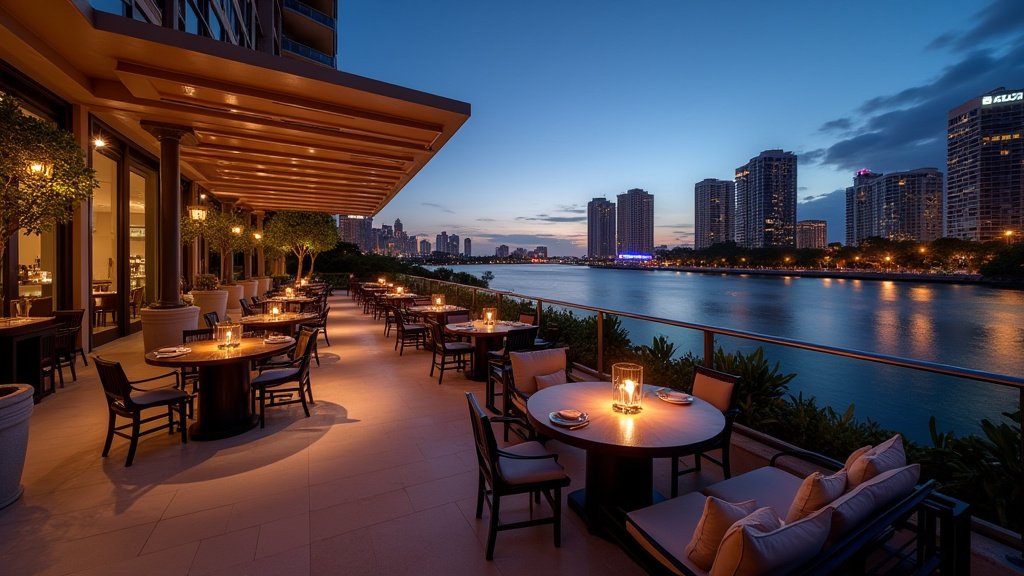
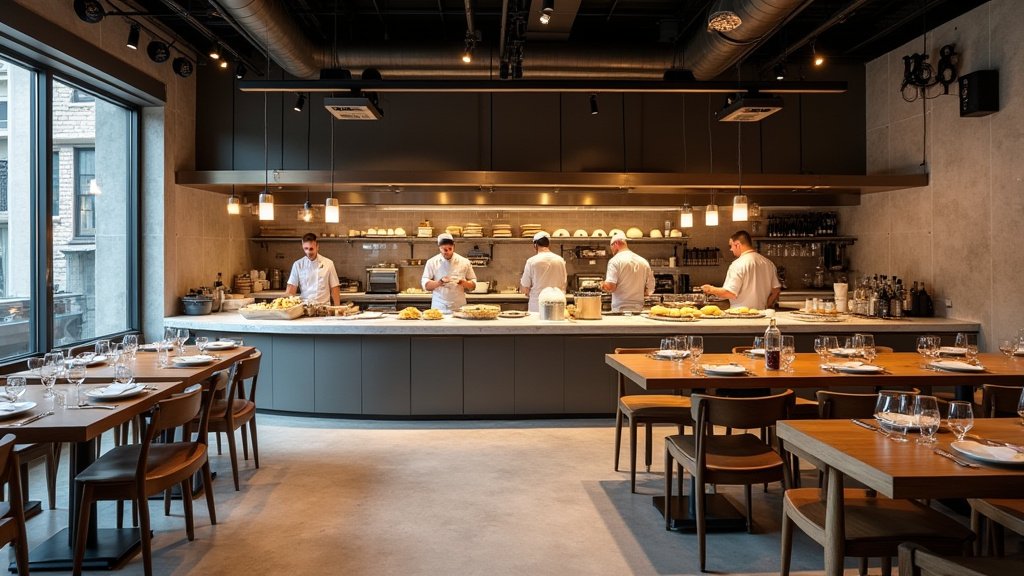
Real estate is the silent partner in any hospitality venture, and the choice of 119 Washington Avenue is deliberate. Miami Beach’s South of Fifth and South Beach neighborhoods continue to attract a sophisticated clientele seeking elevated dining options. By placing a 152-seat venue in this specific location, the Gordon Ramsay Group is targeting a sweet spot: large enough to generate significant volume during peak tourism months, but intimate enough to maintain the “exclusive” energy required for a high-end brand. The design is expected to be as aggressive as the menu, likely featuring dark, moody interiors typical of the Lucky Cat brand, juxtaposed against the bright, natural light of the Miami environment.
Economic Impact and the ‘Ramsay Effect’
Historically, the “Ramsay Effect” refers to the immediate surge in local interest and foot traffic that accompanies any opening bearing the chef’s name. For Miami Beach, which has seen an influx of high-end, chef-driven concepts in recent years, this is a significant economic addition. Beyond the direct employment of kitchen and front-of-house staff, the restaurant acts as an anchor tenant for the surrounding area. The influx of diners will likely ripple outward, benefiting nearby hospitality businesses and elevating the profile of Washington Avenue as a dining destination. This opening is part of a broader trend where international chefs are treating Miami as a primary market rather than a secondary satellite location, signifying the city’s continued rise as a global gastronomic hub.
Sustainability and Sourcing
In modern fine dining, the conversation has shifted toward sustainability, and Gordon Ramsay’s team has hinted that the Miami location will focus on local sourcing to reduce the carbon footprint associated with global logistics. Integrating local Florida ingredients—such as fresh snapper, stone crab, and tropical produce—with imported Japanese and Korean staples is the biggest challenge for the executive kitchen team. Successfully balancing these supply chains will determine the menu’s long-term viability and authenticity. If the team can replicate the success of the original Lucky Cat while adapting to the unique seasonal availability of Miami, they will have created a winning model that could be replicated elsewhere.
FAQ: People Also Ask
Q: Will Gordon Ramsay be at the opening of Lucky Cat Steak in Miami Beach?
A: While Gordon Ramsay is heavily involved in the concept development, he has not confirmed his personal attendance for the November 25, 2026, opening night. However, he is known to make surprise appearances at his flagship openings.
Q: Does the Lucky Cat Steak menu include traditional steakhouse options?
A: Yes. While the restaurant features Japanese and Korean fusion and a heavy focus on the robata grill, it retains traditional steakhouse elements, high-quality beef cuts, and a diverse range of sides tailored to a premium steakhouse experience.
Q: How can I make a reservation for the opening week?
A: Reservations for the opening week starting November 25, 2026, are highly sought after. Interested diners are advised to check the official Gordon Ramsay Restaurants website or the restaurant’s booking portal, which typically opens 30 to 60 days in advance.
Q: Is 119 Washington Avenue a new build or a renovation?
A: The venue at 119 Washington Avenue is a strategic site selection that has been retrofitted to accommodate the specific culinary needs of the Lucky Cat Steak brand, including the installation of high-capacity ventilation systems required for the robata grill.