The landscape of Brickell’s fine dining scene has undergone a high-stakes evolution with the completion of a $3 million interior renovation at LPM Restaurant & Bar. While LPM has long been a fixture of the city’s elite culinary circuit, this significant capital investment signals more than a simple aesthetic refresh; it represents a strategic pivot toward year-round, immersive hospitality that captures the spirit of the French Riviera. By blending structural architectural updates with a conceptual beverage program, the restaurant has effectively redefined its footprint in one of Miami’s most competitive dining corridors.
The Architecture of the Riviera
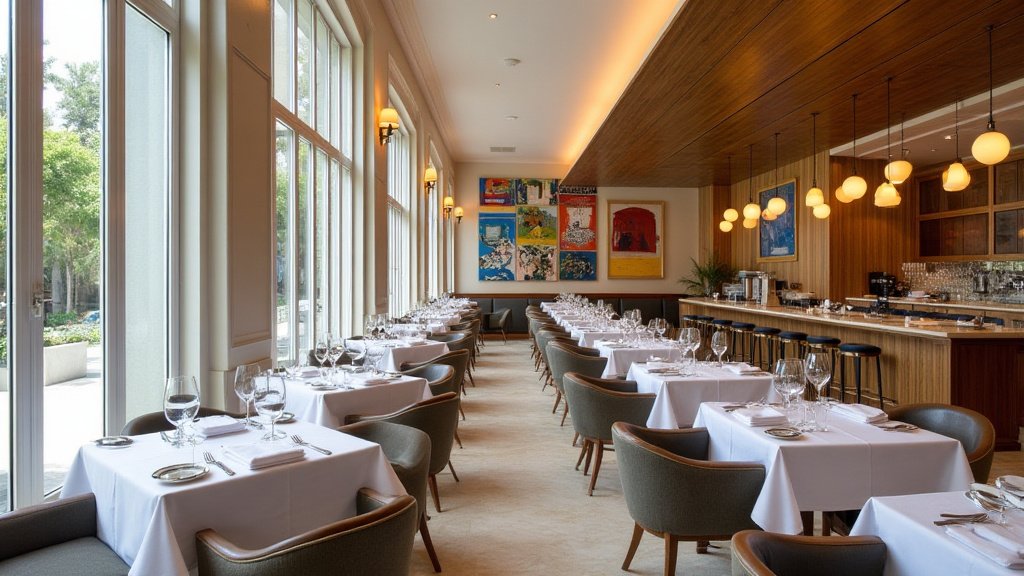
The most striking change to the venue is the enclosure of the patio, a move that fundamentally alters how guests experience the restaurant. In the volatile climate of Miami, where humidity and heat often dictate the viability of outdoor dining, the $3 million investment ensures that the atmosphere of the Côte d’Azur can be maintained regardless of the weather. The design team has meticulously preserved the light-drenched, airy feel of the original space while adding a layer of architectural permanence.
The renovation isn’t merely about climate control; it is about narrative. The introduction of a rotating art wall serves as a focal point of the interior, grounding the restaurant in the cultural heritage of its French roots. This wall functions as a dynamic canvas, ensuring that the visual experience for regulars is constantly evolving, much like the curated playlists and seasonal menus that define the LPM brand. The marriage of crisp white linens, warm lighting, and art-forward decor creates a setting that feels both contemporary and timeless—a delicate balance that many Miami establishments attempt, but few successfully master.
The ‘Déjà Vu’ Beverage Philosophy
Beyond the physical changes, the most substantive evolution lies in the introduction of the ‘Déjà Vu’ cocktail program. This is not a mere collection of drinks; it is a curated sensory journey designed to transport guests back to the golden age of the French Riviera. The menu draws direct inspiration from the history of Southern France, utilizing ingredients and preparation methods that evoke nostalgia and sophistication.
Each cocktail in the ‘Déjà Vu’ lineup serves as a liquid case study in mixology. The program focuses on balance, subtlety, and the use of botanicals that are reminiscent of a Mediterranean summer. By creating a bespoke menu that acts as a narrative anchor for the dining experience, LPM has successfully bridged the gap between fine dining and the modern cocktail bar. This shift acknowledges that today’s diner is looking for an ‘experience’ that extends beyond the plate; the drink must be just as memorable as the entrée.
Market Dynamics and the Future of Brickell Dining
This renovation must be viewed through the lens of the broader Miami restaurant market. Brickell has transformed from a financial district into a global culinary destination, and the cost of entry—both for diners and operators—has skyrocketed. A $3 million investment is a declaration of confidence in the neighborhood’s longevity.
LPM’s move to enclose the patio is a masterclass in market adaptation. It allows for increased capacity and consistent operational efficiency, which are critical metrics in a high-revenue venue. Furthermore, by doubling down on the French Riviera theme, the restaurant is shielding itself from the trends of the moment. While other concepts may chase fleeting viral fads, LPM is anchoring its identity in a classic, enduring aesthetic. This strategy of ‘refinement over reinvention’ is likely to yield dividends in customer retention. The goal is clear: to remain the ‘living room’ of Brickell’s elite, providing a consistent, high-end experience that feels both familiar and perpetually new.
The Intersection of Art and Hospitality
The decision to integrate a rotating art wall highlights a growing trend in luxury hospitality: the ‘museum-ification’ of the dining room. In an era where visual content dominates social media and physical spaces, providing a backdrop that changes allows for constant fresh content for guests, while simultaneously elevating the status of the establishment. It changes the restaurant from a place where you simply eat, to a place where you observe and engage with art. This curatorial approach to design is no longer a luxury; it is becoming a standard expectation for the top tier of international hospitality brands.
As LPM moves forward with this new identity, the success of the renovation will be measured not just by the $3 million price tag, but by the seamlessness with which the new elements—the enclosed patio, the art, and the ‘Déjà Vu’ cocktails—integrate into the existing DNA of the restaurant. If the early reception is any indication, the gamble has paid off, cementing LPM’s place as a cornerstone of Miami’s high-end dining scene for years to come.