The United States has issued a significant decree, with President Donald Trump announcing a Trump South Africa Ban from the 2026 G20 summit. This major global meeting is scheduled to take place in Miami, Florida. The decision represents a sharp escalation in US-South Africa current affairs and a notable instance of Trump foreign policy. Furthermore, Trump declared an immediate halt to all US aid halt and subsidies to South Africa, impacting its international relations and economic standing. The potential for a Trump G20 ban had been rumored, but this definitive action confirms South Africa exclusion.
Miami G20 Summit Location and Announcement of Trump South Africa Ban
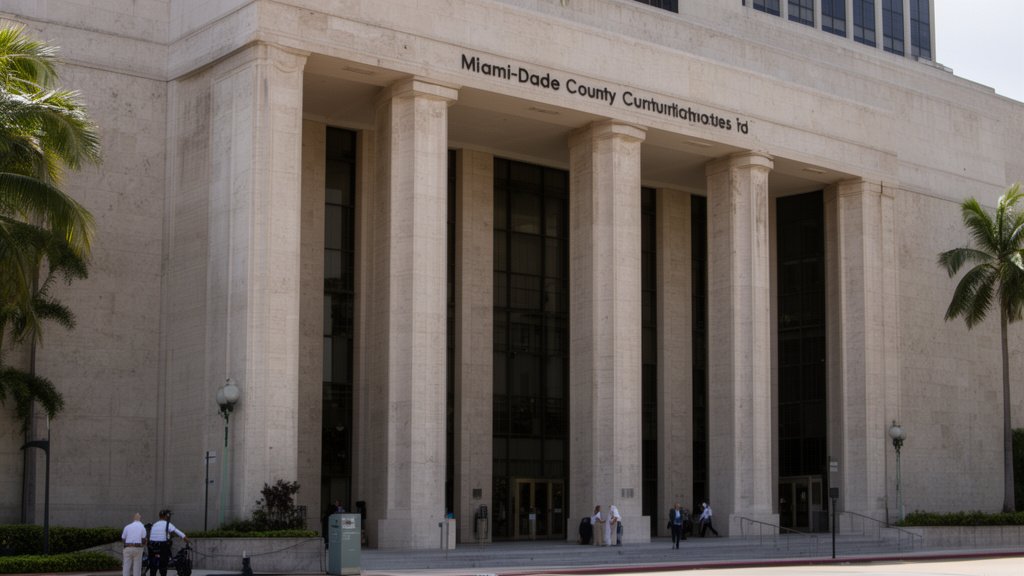
The 2026 G20 summit is slated for December 14-15 and will convene at Trump National Doral Miami, a property owned by President Trump. He made the announcement regarding the Trump South Africa Ban on his social media platform, following the recent G20 summit in Johannesburg. Tensions between the two nations have significantly worsened, and this news has dominated global news cycles, highlighting the potential for a Trump G20 ban to create significant diplomatic fallout.
Reasons for Trump South Africa Ban Cited in G20 Presidency Dispute
President Trump cited two main reasons for the Trump South Africa Ban. First, he alleged South Africa refused to hand off the G20 Presidency to a senior US Embassy representative, an incident reportedly occurring at the closing ceremony of the Johannesburg summit. Second, Trump repeated unsubstantiated claims regarding horrific human rights abuses against white farmers and alleged white people are being killed in South Africa, allegations consistently rejected by South Africa and often described as misinformation. This rationale for the exclusion of South Africa has been met with skepticism, fueling the Trump South Africa Ban narrative.
US Aid Halt and Subsidies Halted: Impact of the Trump South Africa Ban
Trump stated South Africa is not worthy of global platforms and vowed to stop all payments and subsidies immediately, impacting Africa’s largest economy. This action follows earlier US aid suspensions; in February 2025, the US froze most foreign assistance due to concerns over South Africa’s land reform law, which aims to address apartheid-era injustices but was viewed by the Trump administration as discriminatory. The US aid halt also impacted vital health programs, with millions in South Africa relying on US-funded HIV/AIDS initiatives. This aggressive stance solidifies the perception of a Trump South Africa Ban.
South Africa’s Firm Rebuttal to Trump South Africa Ban
South Africa responded swiftly and strongly to the Trump South Africa Ban, with the Presidency calling Trump’s statement “regrettable” and describing the move as punitive. South Africa insists the US claims are based on misinformation and asserted its sovereign right to G20 membership, noting its place in the bloc is decided by all member states. South Africa does not appreciate insults about its participation and vowed to remain a full, active, and constructive G20 member. The government stated G20 presidency instruments were duly handed over to a US Embassy official in Pretoria, noting the US had voluntarily boycotted the Johannesburg summit, further complicating the narrative around the Trump South Africa Ban.
Escalating Diplomatic Tensions over G20 Presidency Dispute and Trump South Africa Ban
This dispute marks a new low in US-South Africa relations, with tensions building since Trump returned to office. The US boycotted the recent G20 summit in Johannesburg, the first held in Africa. Trump’s administration also opposed South Africa’s agenda, including themes of climate change and emerging nations’ interests. Furthermore, South Africa’s role in the ICJ case against Israel has strained ties. These current affairs highlight deep ideological divides and the impact of the G20 presidency dispute on international relations, further underscoring the implications of the Trump South Africa Ban.
International Concern and G20 Integrity amid Trump South Africa Ban
Germany’s Chancellor, Friedrich Merz, expressed regret over the Trump South Africa Ban and stated he would try to persuade the US to invite South Africa. Merz emphasized the G20’s importance as one of the world’s most crucial multilateral formats and stressed that G20 and G7 forums should not be diminished. The exclusion of a member nation sets a concerning precedent, raising questions about the G20’s future inclusivity and the integrity of the summit, especially given the Miami G20 summit location. This decision significantly impacts global economic governance and the perceived fairness of a Trump South Africa Ban.
Implications for Global Affairs and the Trump South Africa Ban
Trump’s decision introduces significant volatility, challenging the spirit of multilateral cooperation. South Africa has historically represented African interests, and its exclusion could weaken the continent’s voice. The move also tests the consensus-based nature of the G20, with the Trump South Africa Ban creating significant international concern. This development underscores the administration’s transactional approach to foreign policy and casts doubt on the intended purpose of the G20. The future of US engagement with the G20 remains uncertain, and the 2026 Miami G20 summit will now be under intense scrutiny, shaping future G20 dynamics and highlighting crucial diplomatic shifts, all stemming from the Trump South Africa Ban.