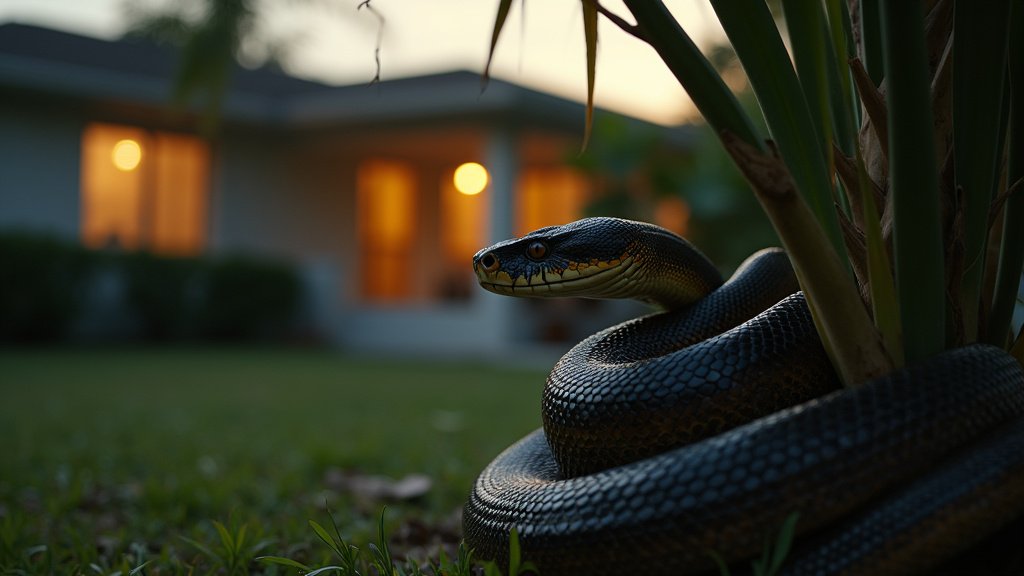
The recent capture of a Burmese python in a Miami-Dade neighborhood underscores the ongoing struggle with invasive species in the region. This particular Burmese python Miami capture occurred on Wednesday, December 18, 2025, sparking concern among local residents. The snake had been previously spotted, with an initial sighting reported during the Thanksgiving holiday period, highlighting the persistent presence of these invasive python Miami specimens.
A resident discovered the Burmese python Miami specimen. It was concealed within an areca palm plant near 133rd Street and 112th Avenue in Kendall. The resident promptly contacted Humane Iguana Control, a professional service adept at python capture Miami-Dade situations. They successfully removed the python. Officials are emphasizing the critical need for caution, urging residents to always contact trained professionals rather than attempting to handle pythons themselves due to the significant risk of injury. This Burmese python Miami capture is emblematic of a larger, troubling trend.
The Burmese Python Miami Threat in South Florida
Burmese pythons are definitively not native to Florida. They are classified as a highly invasive species, posing a significant Burmese python threat. These large constrictors, originating from Southeast Asia, have established a robust breeding population throughout South Florida. This invasion began around the close of the 20th century, with initial sightings dating back to the 1930s. By the 1990s, they were a known presence in Everglades National Park. A reproducing population was officially recognized in the year 2000. Since then, reported sightings of these invasive python Miami snakes have escalated dramatically. Over 30,000 such sightings were documented between 2008 and 2010 alone. The prevalence of this Burmese python Miami issue is a constant fixture in local news.
Ecosystem Disruption by Invasive Pythons in Miami
These invasive pythons pose a severe threat to native wildlife, disrupting the delicate ecosystem of South Florida. Pythons are opportunistic predators, preying on a wide array of animals, including birds, mammals, and reptiles. They also directly compete with native species for vital food resources. This competition has led to observable declines in native mammal populations, particularly within the Everglades. Species such as raccoons, bobcats, and foxes have been heavily impacted. The Burmese python threat extends to other apex predators, with pythons even preying on young American alligators. This disruption cascades through the food chain, affecting native predators like panthers and raptors. The presence of these invasive python Miami snakes also impacts the environment directly and can introduce parasites and pathogens that can infect native animal populations.
How Burmese Pythons Came to Florida
The introduction of Burmese pythons to Florida is largely attributed to human activity. Initially, they were brought into the United States as part of the exotic pet trade. Unfortunately, many owners found these snakes difficult to manage and subsequently released them into the wild. A significant contributing factor to the established population occurred in 1992 when Hurricane Andrew destroyed a python breeding facility, leading to the escape of hundreds more snakes into the environment. This human-caused proliferation has created a persistent Burmese python Miami problem and a significant conservation challenge.
The Growing Python Population in the Burmese Python Miami Area
Pythons are considered a high priority for control in Florida, especially within the Burmese python Miami region. They have been regulated as a prohibited species since April 2021 and are also federally listed as an Injurious Species, which prevents their importation into the U.S. Burmese pythons are now widespread across South Florida, extending beyond their historical stronghold in Everglades National Park. They are established from south of Lake Okeechobee down to Key Largo and westward into Collier County. Increasingly, sightings are reported in urbanized areas. Wildlife experts observe a migration eastward from the Everglades towards agricultural lands and coastal regions. This movement, potentially driven by a lack of food resources in the Everglades, makes them a more frequent Burmese python Miami sighting for residents.
Efforts to Control the Burmese Python Miami Menace
Combating the invasive python population, particularly the Burmese python Miami presence, requires a multifaceted approach. The Florida Fish and Wildlife Conservation Commission (FWC) spearheads numerous initiatives, collaborating with various partners. The FWC actively encourages public involvement, offering free Python Patrol training. This program equips individuals with the skills to identify, report, capture, and humanely euthanize pythons. The Florida Python Challenge is another crucial initiative designed to raise awareness and incentivize python removals. The 2025 Python Challenge saw participants remove a record 294 pythons. The South Florida Water Management District also operates a dedicated Python Elimination Program. These concerted efforts demonstrate a strong commitment to python control Florida and are vital for protecting native wildlife from the Burmese python threat.
Professional Removal and Public Safety in Burmese Python Miami Encounters
Professional services like Humane Iguana Control play a vital role in addressing Burmese python Miami encounters. While specializing in iguana control, they also manage other nuisance wildlife, including pythons, serving the Miami area and surrounding regions with professional, eco-friendly solutions that adhere to all regulations. Michael Ronquillo, President of Humane Iguana Control, was responsible for removing the recent Kendall python. He highlighted the importance of protecting pets and reducing resident anxiety, noting the timing of the capture near the holidays meant no one wanted a “python surprise” for Christmas. Officials strongly advise against any public attempts at handling these constrictors. Residents should always report sightings and contact trained professionals for safe removal, ensuring the safety of both people and wildlife. Recent python capture Miami-Dade incidents include a 14-foot python found by construction workers and responses by Miami-Dade Fire Rescue to pythons found in unusual locations such as a tractor-trailer engine and a backyard. These types of Burmese python Miami incidents are becoming more frequent.
Conclusion: An Ongoing Battle Against Burmese Pythons in Miami
The capture of a Burmese python in a Miami-Dade neighborhood serves as a stark reminder. This invasive species, particularly the Burmese python Miami population, remains a significant and persistent challenge. Their detrimental impact on Florida’s unique ecosystem is undeniable. The ongoing efforts by state agencies, conservation groups, and professional services are critical. Public vigilance and prompt reporting of Burmese python Miami sightings are essential components of managing this threat, protecting native wildlife, and ensuring community safety. The fight against invasive pythons is far from over and continues to be a pressing issue in Miami news.