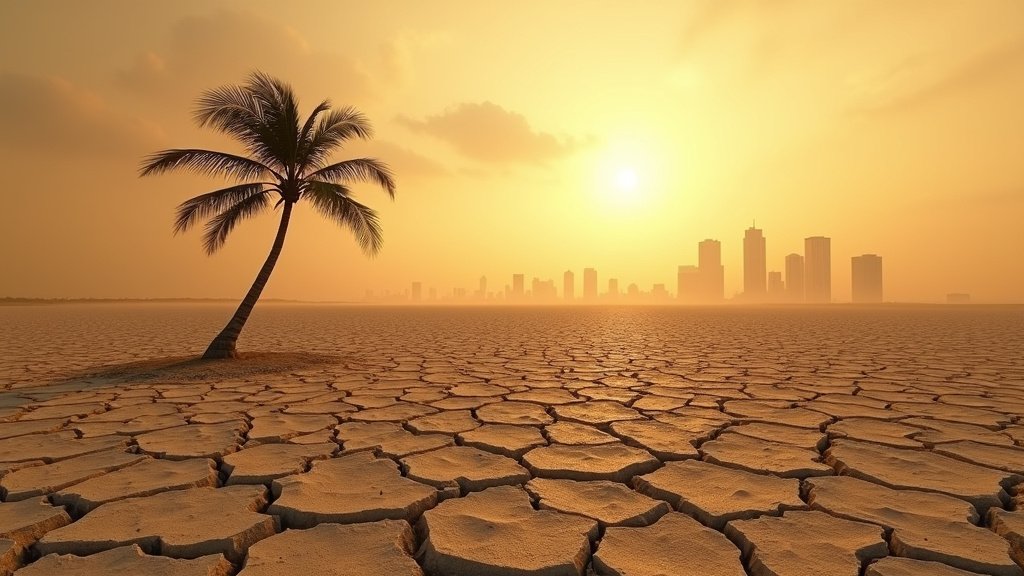
South Florida is in a critical situation. A severe drought grips the region. Water levels are alarmingly low. The South Florida Water Management District (SFWMD) issued a warning. This happened on February 5, 2026.
The warning impacts millions. Miami-Dade and the Florida Keys are most affected. Other counties include Collier, Glades, Highlands, and Lee. Residents are asked to reduce water use.
The Worsening Drought
Drought conditions have worsened for months. Summer 2025 was particularly dry. Rainfall totals were well below average. Since November 2025, less than four inches of rain has fallen in some areas. This dry spell is concerning.
Visible signs of drought are everywhere. Lawns are brown and dry. Lake levels are noticeably low. The Everglades also show significant drought stress. Soil moisture is critically low.
The outlook offers little hope. The dry season typically lasts until spring. Current forecasts predict below-average precipitation. This trend suggests the drought will persist. It is shaping up to be a bad year for water resources.
Critical Aquifer Levels
The Biscayne Aquifer is vital. It is South Florida’s primary freshwater source. Millions rely on it for drinking water. This aquifer lies just below the surface. It is a porous limestone formation.
Aquifer levels are now drastically low. They are at historic lows in some places. Some monitoring wells show levels below 10% of normal. These are the lowest levels seen in over a decade.
The SFWMD closely monitors these levels. Declining groundwater tables pose a serious risk. Water management is crucial for balancing this system.
The Saltwater Intrusion Threat
Low freshwater levels invite saltwater intrusion. Ocean water can push into the aquifer. This happens because the aquifer is permeable limestone. Saltwater intrusion contaminates freshwater supplies.
This is not a future possibility. It is happening now. Areas like Dania Beach have lost wells to saltwater. Saltwater has moved inland significantly. This threatens drinking water for over four million people.
Reversing saltwater intrusion is difficult. It often requires expensive desalination. Prevention is the primary focus. This issue is a slow-onset climate crisis.
Official Response and Warnings
The SFWMD issued a water shortage warning. This is a voluntary measure for now. Residents are urged to conserve water. Lawn watering is limited to twice a week.
However, mandatory restrictions are a real possibility. Officials warn this could happen if conditions worsen. They are monitoring the situation closely.
The last severe drought South Florida faced was in 2011. This news is trending across the region. The current headline is about immediate action needed.
How Residents Can Help
Conservation efforts are essential now. Simple actions can make a big difference. Residents can fix leaky faucets. Taking shorter showers helps conserve water. Turn off taps while brushing teeth or shaving.
Watering lawns should be minimal. Skip scheduled lawn irrigation days if possible. Use spot watering only for dry spots.
Household chores also offer conservation opportunities. Run dishwashers and washing machines only when full. Avoid washing cars or boats. If you have a pool, delay filling it.
Consider changing water usage times. Peak demand strains water treatment plants. Doing your part protects future water supplies.
Broader Implications
The drought affects more than just taps. It impacts the health of the Everglades. Aquatic wildlife and fisheries depend on stable water levels. Agriculture also faces significant risks.
This situation highlights South Florida’s vulnerability. Water management is a constant challenge here. The region’s porous geology and rising sea levels add complexity. This news serves as a stark reminder. Conserving water is a shared responsibility.