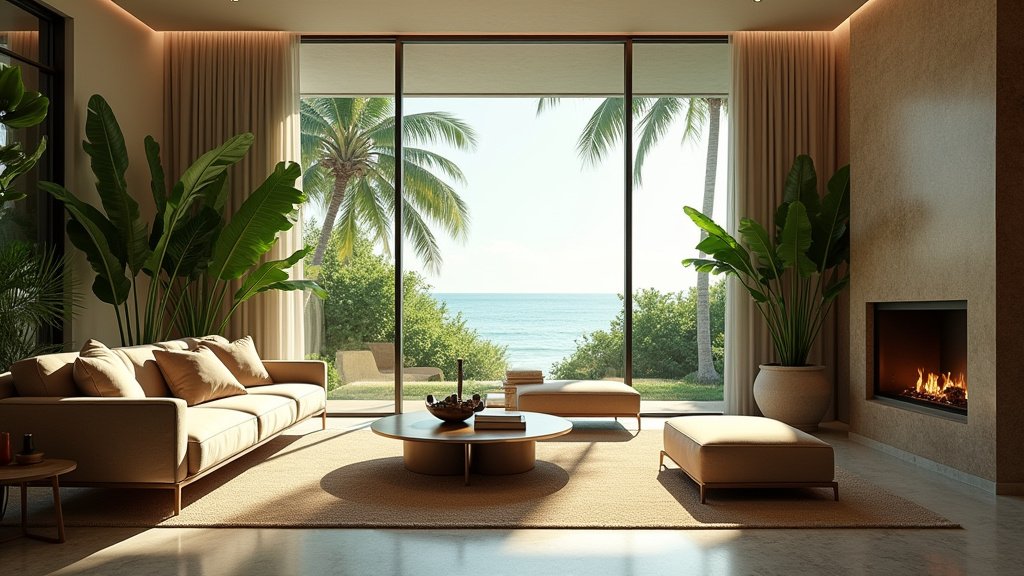
Miami’s interior design landscape is undergoing a significant transformation as it heads into 2026, moving beyond fleeting trends to embrace a more profound philosophy of living. The core of this evolution lies in the harmonious integration of tropical luxury with a deep commitment to modern wellbeing. This isn’t about opulent displays for their own sake; it’s about crafting environments that nurture the soul, reflect personal journeys, and connect inhabitants with the natural beauty of their surroundings.
At the heart of this new design ethos is a recalibration of color and texture. The vibrant energy of Miami is now being channeled into more serene, nature-inspired palettes. Shades of green, from the softest sage to the deep, grounding hues of olive and eucalyptus, are anchoring spaces, imbuing them with a sense of calm and organic vitality. These natural tones are beautifully complemented by an earthy spectrum of terracotta, clay, and smoky blues, creating interiors that feel both timeless and warm. Designers are also increasingly turning to textured finishes—think the subtle roughness of plastered walls or the cool, natural feel of raw stone accents—to add depth and tactile interest, moving away from the polished perfection of previous years.
The concept of “intentional maximalism” is also gaining traction. This isn’t about clutter; it’s about curated layers that tell a story. Homeowners are embracing the mixing of sculptural furniture, unique handcrafted ceramics, and evocative vintage art pieces with sleek, contemporary architectural elements. The result is a space that feels deeply personal, layered with experiences, and alive with character. This approach extends to the strategic use of patterns, with heritage prints and botanical wallpapers nodding to Miami’s rich Art Deco legacy and its Caribbean influences, adding personality without overwhelming the senses.
Wellness is no longer an optional add-on but a foundational principle in Miami’s luxury design for 2026. Homes are being conceived as sanctuaries for restoration and rejuvenation. This translates into spa-inspired bathrooms featuring natural stone and warm lighting, bedrooms designed for deep rest with soft, layered textures, and kitchens that balance high performance with visual tranquility. The integration of biophilic design—the practice of connecting occupants with nature—is paramount. This involves maximizing natural light and air through expansive glass walls and retractable doors, incorporating living walls, water features, and utilizing organic materials like stone and wood to bring the outdoors in. For a city like Miami, where the connection to the tropical environment is so intrinsic, this trend elevates the living experience, blurring the lines between indoor and outdoor spaces and fostering a profound sense of tranquility.
Sustainability has also evolved from a mere talking point to a driving force in luxury design. The focus is on eco-conscious materials such as reclaimed wood, recycled metals, and innovative composites, alongside energy-efficient building systems and green roofs. This commitment to sustainability doesn’t mean a sacrifice in style; rather, it represents a more refined, conscious approach to luxury.
Furthermore, technology is becoming increasingly sophisticated yet unobtrusive. The ideal smart home of 2026 is one where technology operates seamlessly and intuitively in the background, adapting to residents’ daily patterns to adjust lighting, climate, and ambiance without requiring direct interaction. This “disappearing technology” ensures that the focus remains on comfort, aesthetics, and the overall sense of wellbeing.
The definition of high-end living in Miami is shifting from conspicuous consumption to a more nuanced appreciation for customization, experience, and quiet confidence. True luxury is found in bespoke millwork, custom-scaled furniture, and materials chosen for their tactile beauty as much as their visual appeal. It’s about creating spaces that feel unique, designed specifically for the inhabitant, and that tell a story of their lives, travels, and experiences. The future of luxury in Miami is not just about impressive facades; it’s about creating enduring, deeply personal sanctuaries that enhance the quality of life.
FAQ: People Also Ask
What are the dominant color trends in Miami interior design for 2026?
Miami’s interior design in 2026 is embracing nature-inspired color palettes. Key colors include shades of green like sage, olive, and eucalyptus, complemented by earthy tones such as terracotta, clay, and smoky blues. These hues are chosen for their calming and grounding effect, reflecting the city’s connection to its natural environment.
How is the concept of “luxury” evolving in Miami interior design for 2026?
Luxury in Miami’s 2026 interior design is moving beyond overt displays of wealth towards a more personalized and experience-driven approach. It emphasizes customization over catalog selections, tactile materials, seamless technology integration, and the creation of wellness-focused spaces. The focus is on how a space lives and supports daily life, prioritizing calm, comfort, and privacy over mere visual impact.
What role does sustainability play in Miami’s luxury interior design trends for 2026?
Sustainability is a defining principle in 2026 luxury design, with a strong emphasis on eco-conscious materials like reclaimed wood and recycled metals, as well as energy-efficient systems. This trend reflects a growing desire for environmentally responsible living that doesn’t compromise on high-end aesthetics, contributing to a more refined and conscious approach to luxury.