The March 15, 2026, episode of “This Week in South Florida” provided an in-depth look at the critical issues and outcomes of the recently concluded legislative session. Host Glenna Milberg guided a discussion with prominent South Florida lawmakers, including State Senator Alexis Calatayud, State Representative Christine Hunschofsky, State Senator Ileana Garcia, and State Senator Shevrin Jones. Adding a unique perspective was former NFL quarterback Teddy Bridgewater, whose involvement inspired a bill discussed on the program.
Legislative Session Wrap-Up and Budgetary Concerns
A primary theme of the episode was the conclusion of the legislative session, marked by the end of official lawmaking and an upcoming special session to finalize the state budget. With nearly 1,900 bills filed, only 237 successfully navigated the legislative process and were sent to the governor. This indicates a challenging session with many proposed measures failing to pass. The lawmakers highlighted that the state budget remains unfinished, a common hurdle that often requires subsequent special sessions to resolve. This situation underscores the complexities of state-level governance and the intricate negotiations involved in allocating public funds.
ADAP Program Secured
One of the most impactful outcomes discussed was the securing of emergency funding for the ADAP (AIDS Drug Assistance Program). It was revealed that at the beginning of the legislative session, lawmakers were informed that 16,000 Floridians were at risk of losing access to vital HIV medication. Through collaborative efforts, particularly within the Senate involving Senators Jones, Garcia, Rodriguez, Germo, and Smith Ozgood, a stop-gap funding proposal of $30.9 million was developed. The House swiftly passed this measure, and it was then sent to the governor. This legislative success ensures that individuals in Florida living with HIV will not face a lapse in their life-sustaining medication, demonstrating a successful instance of government addressing a critical public health need.
Affordability and Housing Legislation
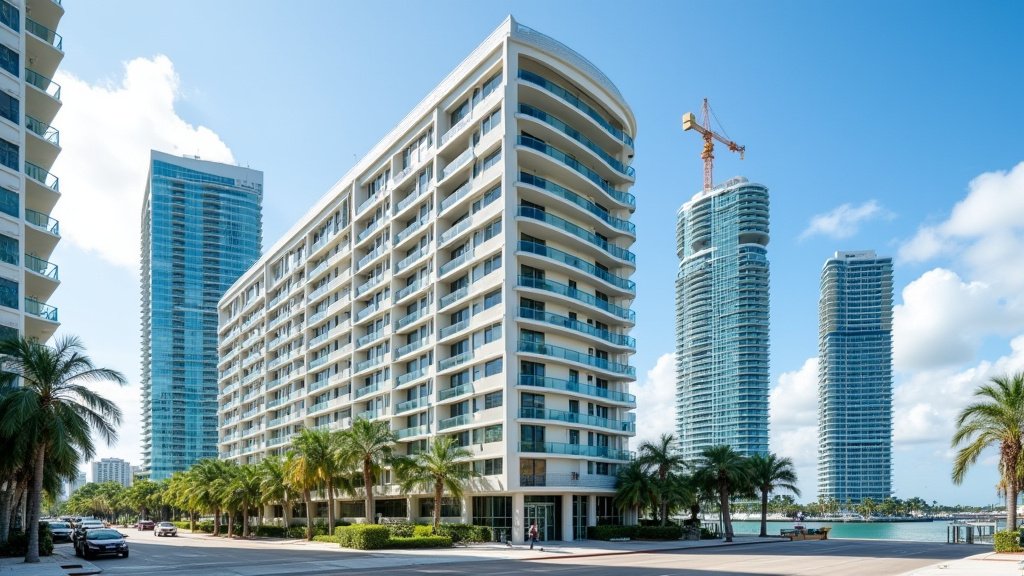
The concept of “affordability” was a central promise of the session, and its success was a key topic of debate. The lawmakers explored whether Florida had indeed become more affordable during this period. The “Live Local” bill, a significant piece of land-use legislation aimed at incentivizing the development of affordable housing, was a focal point. This bill, identified by its bill number 399, generated considerable discussion due to its eleventh-hour machinations. An amendment by Senator Alexis Calatayud, which protected Miami-Dade’s urban development boundary, was successfully passed, averting potential negative impacts on the region. However, the episode also highlighted controversies, such as the inclusion of the Miami Beach Fountainbleau Resort within the bill, and the failure of an amendment proposed by Senator Shevrin Jones. These discussions reveal the intricate balance between state-level housing initiatives and local control, as well as the influence of development interests.
Lobbying and Political Influence
The episode shed light on the often-opaque world of political influence and lobbying. A specific example cited was a bill aimed at making utilities, such as FPL, more affordable. Senator Don Gaetz, who had previously appeared on the program, reportedly stated that FPL’s lobbyists were instrumental in killing the bill in its early stages. This instance raises questions about the power of special interests in shaping legislation and potentially hindering measures that could benefit consumers. The lawmakers expressed dismay at such practices, emphasizing the need for transparent government processes.
Controversial Development and Local Autonomy
The case of the Miami Beach Fountainbleau Resort became a microcosm of the tension between development interests and local autonomy. The resort reportedly sought to build a ten-story water park, a proposal that faced opposition from constituents and the historic preservation board. The lawmakers discussed how the developer, after facing local opposition, allegedly bypassed the proper channels and sought to amend legislation in Tallahassee. This practice was criticized as circumventing democratic processes and allowing developers to unduly influence state policy. The episode underscored the importance of local decision-making in development projects and the need for fair and transparent procedures.