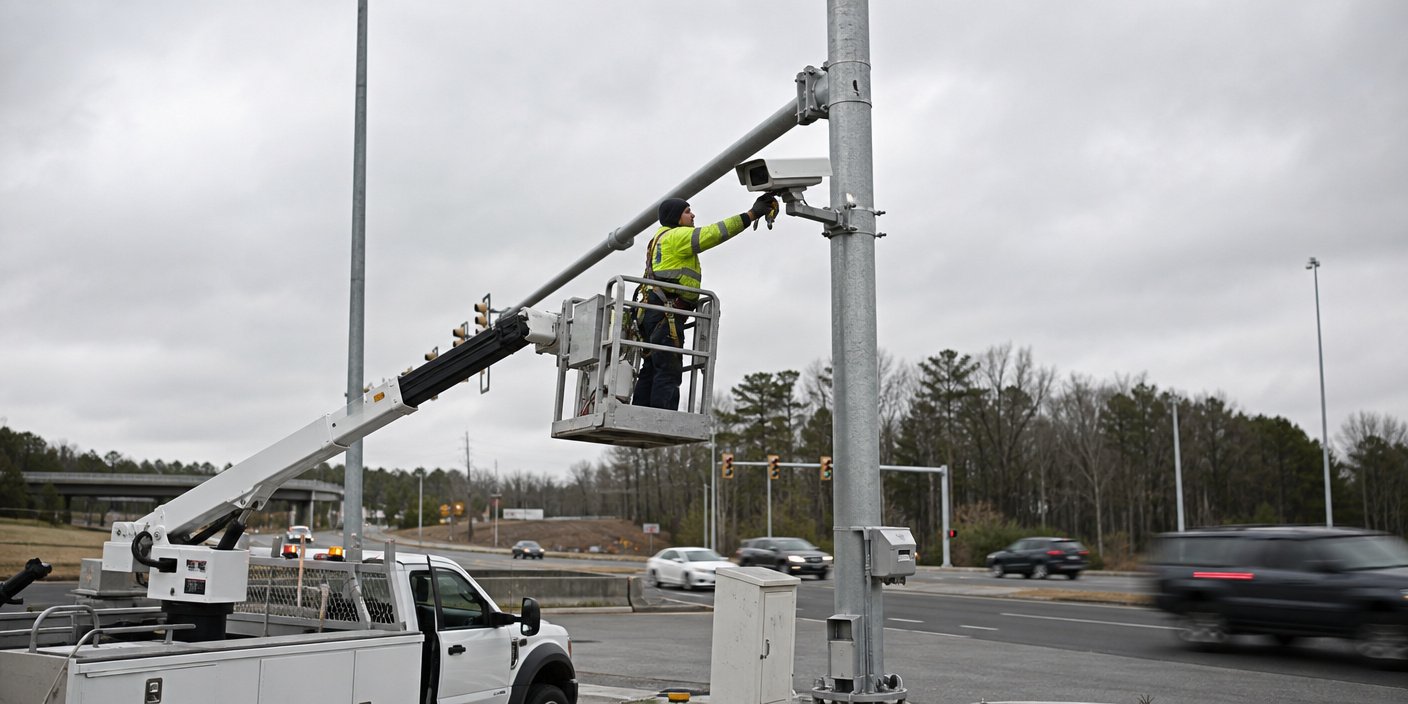
The Florida Department of Transportation (FDOT) has issued a controversial directive that is effectively dismantling a cornerstone of modern municipal law enforcement. By revoking permits for automated license plate readers (ALPRs) situated on state-maintained rights-of-way, the state has forced local agencies to scramble to remove these digital sentinels. This sweeping mandate requires local governments to physically extract the hardware within 30 days, creating a sudden operational vacuum for police departments that have increasingly relied on these systems to track criminal activity in real-time.
The Mechanics of the Mandate
The directive centers on the authority of the Florida Department of Transportation to control infrastructure within state-owned rights-of-way. While municipalities have been aggressive in their deployment of ALPR technology—specifically the ubiquitous solar-powered units manufactured by industry leader Flock Safety—the state has now asserted its regulatory oversight. This is not merely a request for relocation; it is a full revocation of the permits that allowed these devices to be mounted on traffic poles and other state-owned property. For police chiefs and city managers, the 30-day window poses a significant logistical challenge. The removal of these devices is not just a matter of unscrewing bolts; it involves complex logistical coordination to ensure that the cameras, which are often integrated into broader data-sharing networks, are deactivated and dismantled without violating public safety protocols or damaging infrastructure.
The Security Impact on Municipalities
Among the most vocal opponents of the FDOT order is Miami Beach Mayor Steven Meiner, who has publicly criticized the move as a setback for public safety. Mayor Meiner and other municipal leaders argue that these cameras serve as a force multiplier for law enforcement, allowing officers to identify stolen vehicles, track suspects in violent crimes, and gather evidence that would otherwise remain invisible. The widespread adoption of ALPR technology has been a game-changer for departments dealing with resource constraints. By providing a constant, automated stream of intelligence, these devices have enabled agencies to focus human resources more effectively.
With the state-mandated removal, municipalities are facing a significant loss of situational awareness. The issue is particularly acute in tourism-heavy areas and high-traffic corridors where state roads intersect with local streets. When these systems are decommissioned, the gaps in coverage could potentially create ‘blind spots’ that criminal networks might exploit. The loss of these tools is expected to impact response times and the ability of law enforcement to solve crimes involving transitory offenders who utilize major state arteries to escape the jurisdiction of local police.
The Role of Flock Safety and Surveillance Technology
Flock Safety, a prominent provider of ALPR technology, has become synonymous with the proliferation of these ‘neighborhood watch’ style camera networks. Their business model relies on the integration of high-definition cameras with AI-driven software that scans license plates and matches them against hotlists—databases of vehicles associated with wanted criminals, missing persons, or stolen property.
From a technical perspective, the FDOT’s order disrupts the integrity of these regional intelligence networks. Because these cameras are often networked, the removal of units on state roads doesn’t just silence those specific cameras; it creates fragmentation in the data web. Police departments rely on the ‘heat maps’ generated by these devices to understand traffic flow patterns during criminal activity. If a suspect moves from a local road onto a state road, the transition will now become a ‘dark zone’ for investigators. This technological disruption raises broader questions about the future of surveillance infrastructure in Florida. As municipalities weigh their options, some may consider moving the equipment to purely local roads, though this would likely result in reduced coverage and higher costs for re-installation.
The Legal and Regulatory Tug-of-War
This dispute highlights the inherent tension between state-level regulatory authority and municipal ‘home rule’ autonomy. The FDOT is asserting that its primary mandate is to manage transportation infrastructure, not to facilitate police surveillance programs. By enforcing strict adherence to permitting requirements, the state is drawing a line in the sand regarding what can be attached to, and what activities can be conducted on, state-owned property.
Conversely, local governments argue that public safety is the ultimate responsibility of the city. They view the highways as extensions of their community, and therefore, they believe they should have the right to utilize advanced technology to protect the public. This conflict may eventually necessitate legislative intervention. If local mayors continue to push back, the Florida Legislature could be pressured to establish clearer guidelines that balance the state’s desire to maintain ‘clean’ right-of-ways with the municipalities’ need for advanced public safety tools.
Future Implications and Secondary Angles
Beyond the immediate logistical scramble, this ban brings several long-term considerations to the forefront:
1. Data Privacy and Civil Liberties: While law enforcement argues for security, privacy advocates have long raised concerns about the retention of ALPR data. This mandate might inadvertently serve the interests of privacy groups who have argued that the state should act as a check on local surveillance expansion.
2. Financial Burden on Taxpayers: The rapid removal and potential relocation of hardware carry significant costs. Who pays for the labor and the re-engineering of the camera networks? This unexpected expense may lead to budgetary disputes between city councils and their police departments.
3. Public-Private Partnerships: Many ALPR networks are funded through public-private partnerships. The FDOT mandate complicates these contracts, potentially leading to legal disputes between cities and the private technology vendors who may be unable to fulfill the terms of their service agreements due to the state order.
As the 30-day clock ticks down, the situation remains fluid. Municipalities are currently assessing the extent of the damage to their networks, while legal teams evaluate whether there is any room for administrative appeals or exemptions. The outcome of this standoff will set a precedent for how Florida manages the intersection of technology, infrastructure, and public safety in the years to come.