Miami’s dining scene is currently undergoing a seismic shift, with a new wave of establishments officially opening their doors this September 2026 to redefine the city’s gastronomic identity. As the Magic City continues to attract global talent and a discerning demographic, restaurateurs are moving away from the purely trend-chasing concepts of the past, favoring deep, authentic culinary narratives, hyper-local ingredient sourcing, and architectural integration. From the revitalization of historic corridors to the expansion of beloved local brands into lifestyle-focused neighborhoods, the latest arrivals represent a sophisticated maturity in the Miami culinary landscape.
Key Highlights
- Storia introduces a refined approach to Mediterranean coastal cuisine, focusing on seasonal crudo and open-fire techniques.
- Flagler St. Bakery serves as a cornerstone of the Downtown Miami revitalization project, bridging the gap between historical heritage and modern patisserie.
- Miami Slice Coconut Grove brings an elevated, neighborhood-centric pizza experience to one of Miami’s most lush and historic enclaves.
- The current wave of openings indicates a strong trend toward intimate, owner-operated concepts rather than large-scale, impersonal corporate groups.
The New Guard: Redefining the Miami Plate
The Downtown Resurgence: Flagler St. Bakery
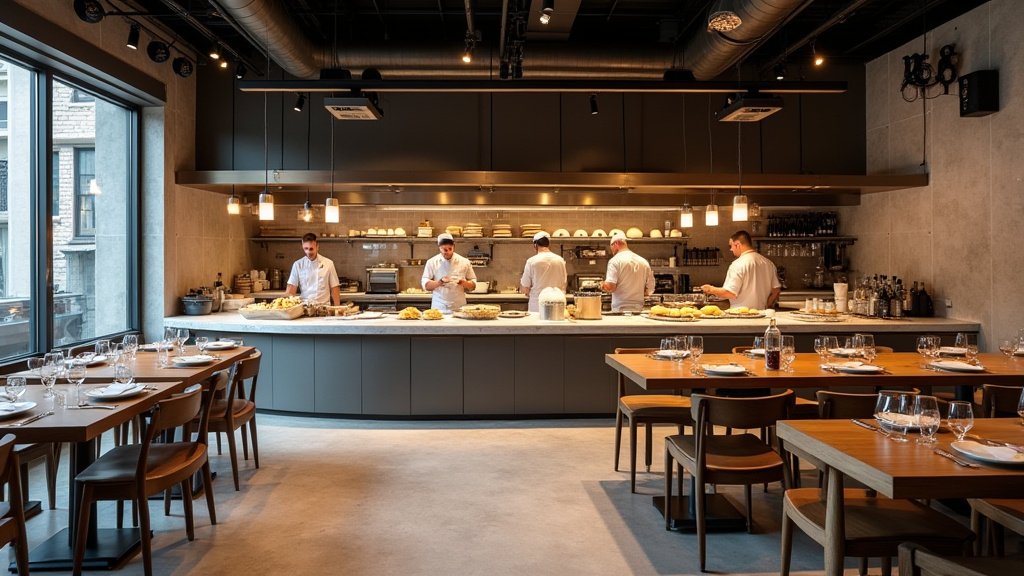
Perhaps the most significant addition to the city’s urban fabric this season is the Flagler St. Bakery. Nestled in the heart of the historic Downtown district, this establishment is not merely a place to grab a morning pastry; it is a declaration of intent for the ongoing revitalization of the area. Founded by award-winning pastry chef Elena Rodriguez, the bakery occupies a restored 1920s storefront, where the scent of sourdough starters and cardamom-infused brioche now wafts through a corridor that has long been hungry for local, artisanal flavor. The bakery’s design—a seamless blend of original exposed brick and minimalist industrial steel—mirrors its menu: a perfect marriage of tradition and technical precision. During a recent preview, the standout item was undoubtedly the guava-and-cream cheese danish, which utilizes local fruit from the Redland and a 72-hour fermented dough that sets a new benchmark for the category in South Florida.
Coastal Elegance at Storia
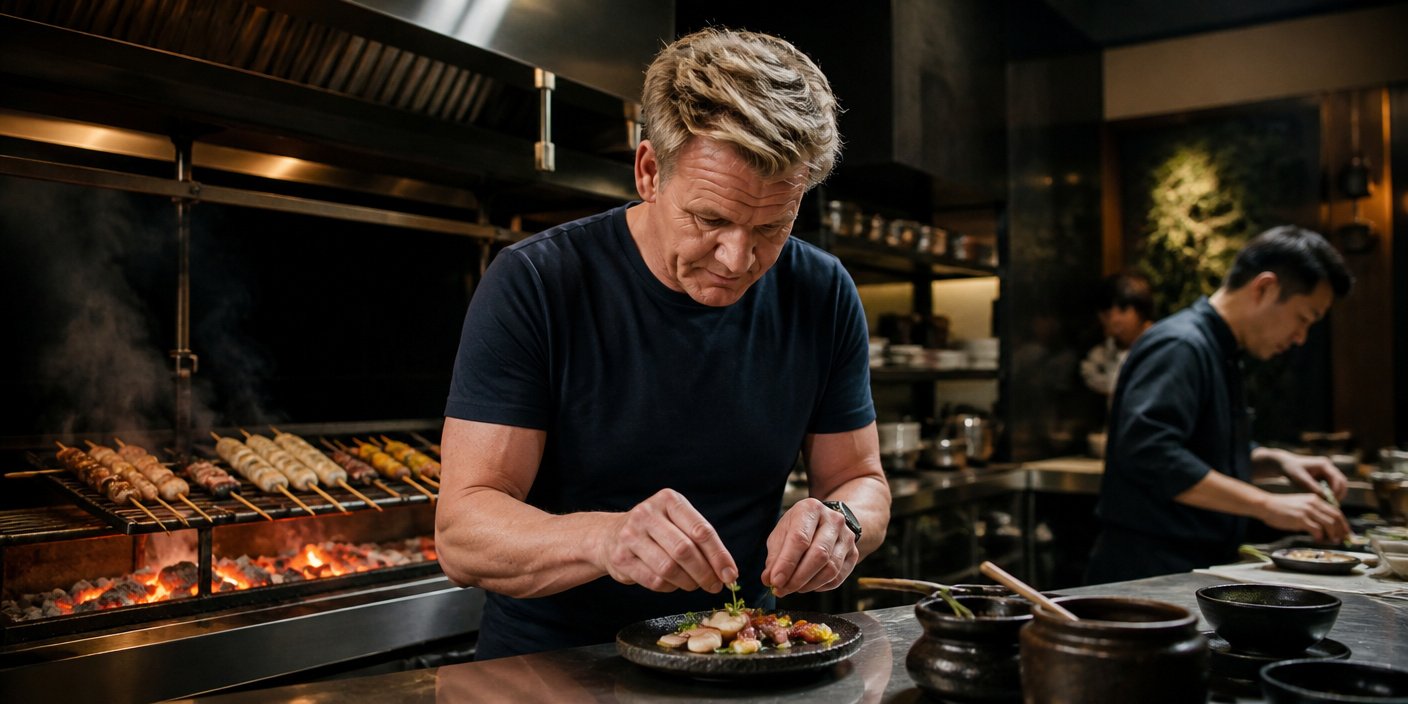
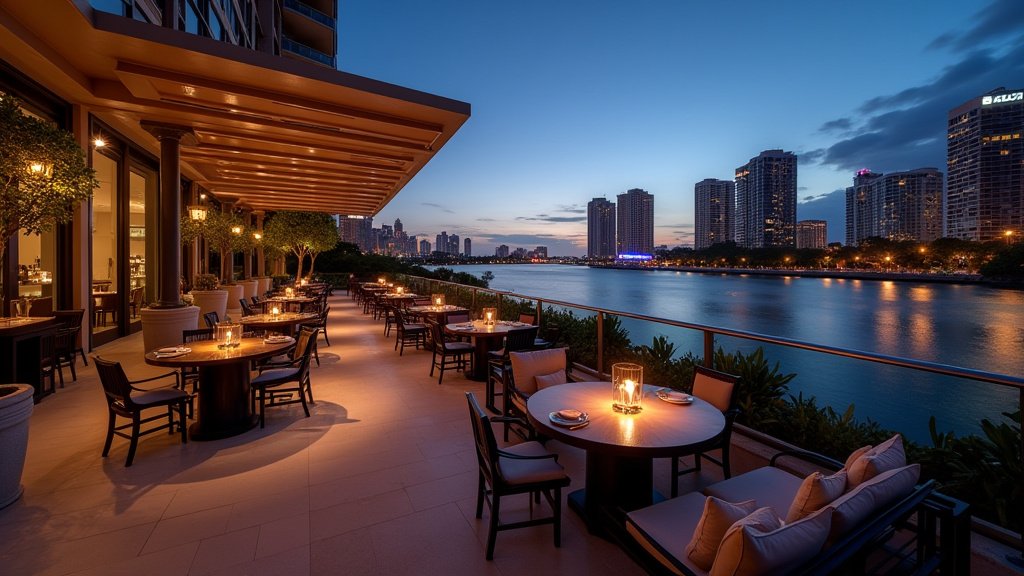
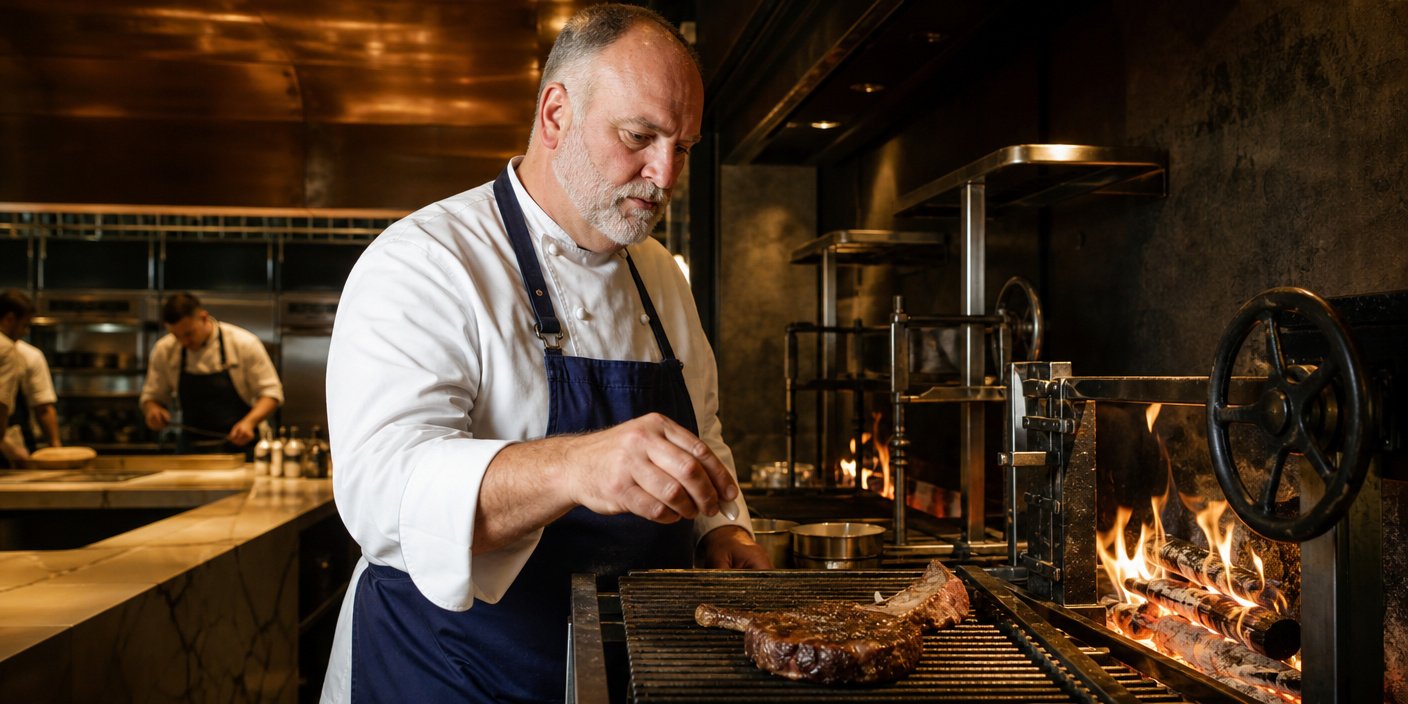
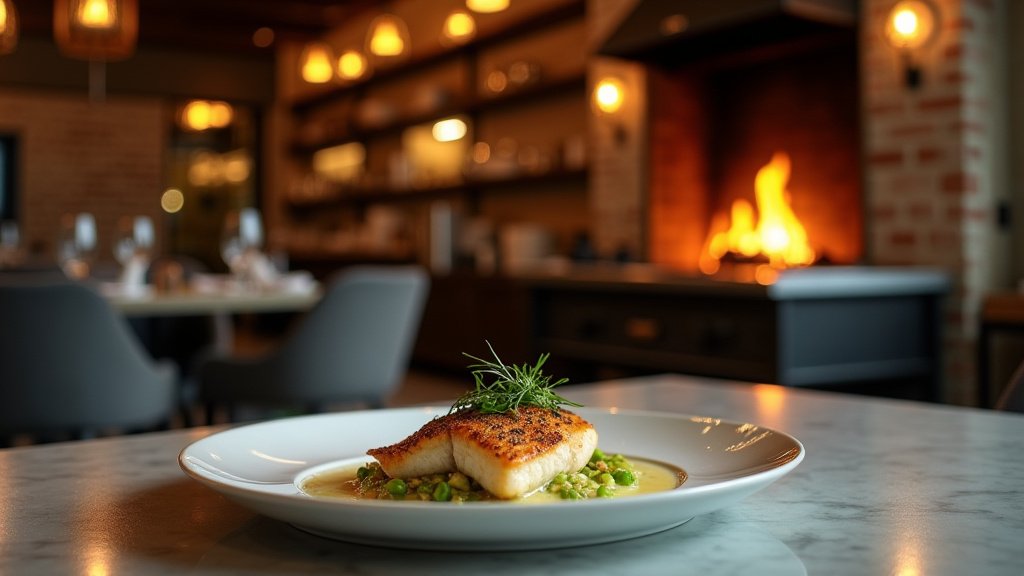
Across the causeway, Storia is making waves by proving that Miami’s appetite for upscale dining hasn’t waned; it has simply evolved. Moving away from the high-energy, thumping bass of traditional South Beach venues, Storia offers a masterclass in controlled, sophisticated coastal Mediterranean cuisine. Chef Marcus Thorne, formerly of Chicago’s fine-dining circuit, has implemented an open-fire kitchen concept that anchors the room, casting a warm, flickering glow over the patrons. The menu is intentionally brief, a hallmark of confidence in a market that often demands excess. The focus here is on the integrity of the seafood, sourced daily from Florida waters and prepared with a restraint that highlights the natural salinity of the catch. The grilled snapper, served with a charred leek emulsion and fennel pollen, has already become the de facto dish of the season. Storia is not just a restaurant; it is an exercise in how to conduct a high-end dining service in a tropical, urban environment without relying on the tired tropes of the past.
The Coconut Grove Phenomenon: Miami Slice
For years, Coconut Grove felt like a quiet enclave—a lush, canopy-covered alternative to the neon lights of Brickell. With the arrival of Miami Slice Coconut Grove, that perception has shifted. The pizzeria, which developed a cult following through its pop-up roots, has established a permanent, brick-and-mortar residence that emphasizes the neighborhood’s pedestrian-friendly lifestyle. Unlike the fast-casual pizza joints that populate the rest of the city, this location feels like a destination. The dining room, adorned with botanical wallpaper and mid-century modern furniture, caters to a diverse crowd—from local families seeking a casual dinner to food critics analyzing the fermented dough percentages. The ‘Grove Classic’—a pizza topped with local hot honey, Calabrian chilies, and a proprietary five-cheese blend—serves as the anchor, but it is the restaurant’s integration into the community that stands out. It feels permanent, rooted, and essential.
The Shift Toward Neighborhood-Centric Dining
There is a palpable trend emerging among these 11 new hotspots: the prioritization of the ‘neighborhood anchor’ model. Gone are the days when a restaurant needed to be in the center of the action in South Beach to succeed. Today, diners are seeking out hyper-local experiences that offer a sense of belonging. This shift is being driven by the decentralization of Miami’s wealth and professional class, as remote work continues to allow residents to plant roots in neighborhoods like Coconut Grove, Coral Gables, and the Upper East Side. Restaurateurs are responding to this by designing spaces that are as much community hubs as they are eateries. Whether it is the communal seating at Flagler St. Bakery or the low-key, walk-in vibe at Miami Slice, the goal is retention—getting the same customer to return three times a week rather than once a month for a ‘big night out.’
Economic Impact and Culinary Tourism
Beyond the plate, these openings carry significant economic weight. The hospitality sector in Miami-Dade County is a primary driver of the local economy, accounting for billions in annual revenue. New establishments like Storia and the Flagler St. Bakery are not only creating dozens of new jobs but are also driving foot traffic to areas that have historically struggled to maintain commerce after 5:00 PM. Local government initiatives, particularly the Downtown Development Authority’s efforts to improve walkability, are directly supported by these private enterprises. As these restaurants draw in ‘culinary tourists’—travelers who plan their itineraries based on restaurant reservations—they create a ripple effect that benefits retail, transportation, and service-based businesses in the immediate vicinity. This is a symbiotic relationship that turns culinary ambition into urban stability.
Future Predictions: The Next Wave of Gastronomy
Looking toward the remainder of 2026 and into 2027, we can expect the Miami dining scene to continue its pivot toward sustainability and transparency. We are already seeing a rise in ‘zero-waste’ culinary programs, where restaurants like Storia are composting organic waste for local community gardens and sourcing exclusively from within a 100-mile radius. Furthermore, the use of technology in reservation management and supply chain logistics is becoming standard, reducing food waste and optimizing staff efficiency. As Miami continues to solidify its reputation as a global culinary powerhouse, the competition will only intensify, forcing chefs to innovate not just with their menus, but with their business models. We predict that the next wave of openings will focus on ‘micro-concept’ dining—highly specialized, 20-seat venues that push the boundaries of single-ingredient or single-technique cuisine.
FAQ: People Also Ask
How can I secure a reservation at these new Miami hotspots?
Most of these new venues utilize digital reservation platforms like Resy or Tock. Given the high demand for new openings in September 2026, it is recommended to set alerts on these platforms at least two weeks in advance. Some, like the Flagler St. Bakery, operate on a hybrid system of walk-ins and limited pre-orders to ensure accessibility for the local neighborhood.
Are these new restaurants suitable for family dining?
Yes, the shift toward neighborhood-centric dining has made most of these new spots, particularly Miami Slice Coconut Grove, very family-friendly. However, Storia leans more toward a sophisticated, evening-focused atmosphere, which may be better suited for adult diners or older children.
How does this restaurant growth impact the local Miami economy?
These openings significantly boost the local economy by increasing tax revenue, generating employment, and revitalizing underutilized real estate. By attracting culinary tourists to previously overlooked areas like Downtown, they help create a ‘destination’ effect that supports other local retailers and service providers.
What makes the 2026 Miami food scene different from previous years?
2026 is defined by a move toward authenticity and permanence. Rather than prioritizing flashy décor or gimmicks, current restaurateurs are focusing on high-quality, sustainably sourced ingredients and building long-term relationships with the residents of the neighborhoods where they operate.