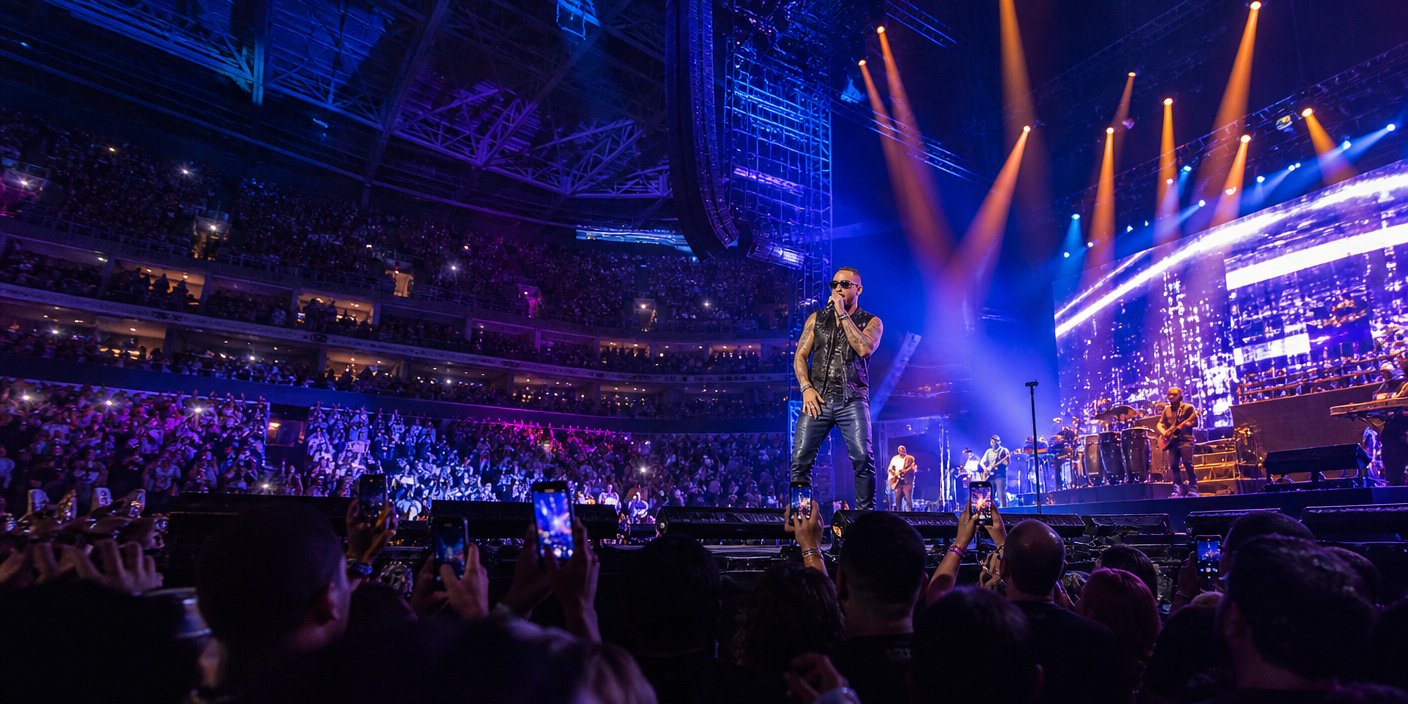
The vibrant pulse of Miami is set to accelerate this September 2026, as the city welcomes an unprecedented lineup of global superstars and genre-defining acts. With 14 major concert events confirmed for the month, Miami is solidifying its reputation as the premier destination for live entertainment in the Southeastern United States. Whether it is the rhythmic complexity of international icons or the raw, high-octane energy of modern rock, the city’s calendar is packed with high-demand performances that cater to a diverse musical palate.
Key Highlights
- Global Headliners: The month is anchored by massive performances from superstar artists, including Bruno Mars and Rosalía, drawing thousands of fans to South Florida.
- Rock and Alternative Resurgence: Turnstile leads a notable shift toward high-energy alternative rock, signaling a diversification of Miami’s typically pop-heavy performance circuit.
- Venue Diversity: Events are strategically spread across Miami’s premier venues, including the Kaseya Center and Hard Rock Stadium, maximizing accessibility and crowd capacity.
- Economic Surge: This concentration of events is expected to drive a significant spike in local hospitality and tourism revenue throughout the final quarter of the year.
The September Soundscape: Analyzing Miami’s Concert Season
The arrival of September 2026 marks more than just a transition into autumn; for Miami, it represents the crescendo of a year defined by high-value musical events. The city’s ability to secure 14 major touring acts within a single 30-day window is a testament to the sophistication of its venue infrastructure and its status as a vital stop on the international tour circuit. The schedule, featuring luminaries like Rosalía and Bruno Mars, reflects a curated effort by promoters to balance global pop appeal with the rising demand for alternative and experimental sounds, such as those championed by bands like Turnstile.
The Titans of Pop and R&B
At the forefront of this concert wave are the heavy hitters of the industry. Bruno Mars, whose residency-style touring approach brings a level of production value rarely seen outside of Las Vegas, is set to deliver a career-spanning performance that leans into his funk and R&B roots. For the Miami audience, these shows are not merely concerts; they are cultural touchpoints that highlight the city’s affinity for world-class showmanship. Similarly, Rosalía’s inclusion in the September lineup is a strategic win for the city. Her ability to fuse traditional Flamenco with avant-garde pop and reggaeton elements resonates deeply with Miami’s multicultural demographics, creating an atmosphere that is uniquely tied to the city’s identity.
The Shift Toward Alternative Energy
Perhaps the most compelling trend in the September schedule is the presence of acts like Turnstile. While Miami has historically been viewed through the lens of Latin music, reggaeton, and global pop, the booking of established alternative acts marks a significant broadening of the local music ecosystem. This shift suggests that venue operators are recognizing a more fragmented yet passionate audience base. By incorporating high-energy rock acts, the concert organizers are effectively tapping into a younger, festival-focused demographic that seeks the catharsis of live, instrument-driven performances. This diversification is crucial for the long-term sustainability of the concert industry in South Florida, ensuring that the market remains resilient even as consumer tastes shift away from traditional radio-hit reliance.
Venue Dynamics: Infrastructure and Experience
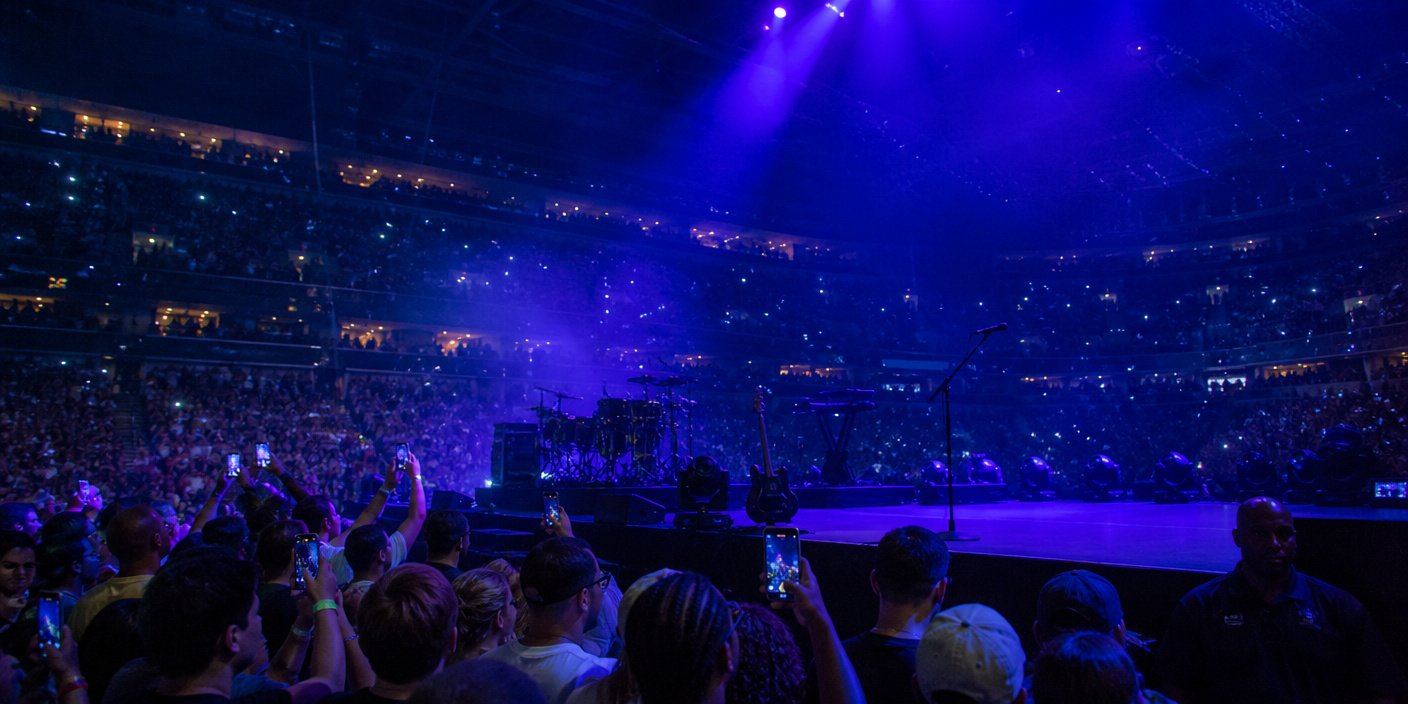
The success of these 14 concerts relies heavily on the capabilities of the host venues. The Kaseya Center continues to be the workhorse of the downtown corridor, offering centralized accessibility and world-class acoustics for pop-oriented shows. Conversely, Hard Rock Stadium, with its massive footprint, is the primary choice for the higher-capacity, ‘spectacle’ style events that require complex stage setups. The logistical planning for these events involves significant coordination between private promoters like Live Nation and public transit entities. As Miami continues to address traffic congestion, the integration of the Brightline and expanded Metromover services has become a central component of the ‘concert experience,’ allowing fans to bypass parking bottlenecks and contribute to the economic revitalization of the downtown core during event nights.
Economic Impact and The Future of Music Tourism
Beyond the melodies and the stage lights, these 14 dates represent a substantial engine for economic growth. Concert tourism in Miami has evolved into a year-round phenomenon, but September offers a unique window where regional visitors from across Florida and Latin America congregate. The secondary spend—encompassing hotel stays, restaurant dining, and nightlife engagement—creates a ripple effect that benefits the local economy well beyond the ticket gate. Industry analysts project that this level of density in event programming will encourage further investment in boutique entertainment districts, as venues seek to create a ‘total experience’ that includes pre-show dining and post-show lounges, rather than just the concert itself.
Strategic Tips for the September Concert-Goer
Navigating a month this packed requires a level of tactical planning. First, the ‘package’ approach to ticketing—where fans purchase entry for multiple shows—is becoming common, and local vendors are increasingly offering hospitality bundles that include transport. Second, the timing of these events often coincides with Florida’s unpredictable weather patterns, making indoor venues with climate-controlled, covered facilities (like the Kaseya Center) highly desirable. Finally, for those tracking these events, the best advice is to monitor venue-specific apps or partner platforms, as dynamic pricing models often fluctuate based on demand in the weeks leading up to the September launch. As the city continues to cement its place as a top-tier global music hub, September 2026 stands to be the blueprint for how Miami manages, promotes, and executes large-scale live entertainment.
FAQ: People Also Ask
Q: How can I secure tickets for the most popular shows in Miami this September?
A: Due to high demand for headliners like Bruno Mars and Rosalía, it is recommended to utilize official ticket marketplaces (such as Ticketmaster or venue-partnered sites) the moment presales open. Avoid secondary markets unless verified, as high-profile shows in Miami are prime targets for fraudulent listings.
Q: What is the best way to handle parking for concerts at the Kaseya Center?
A: Parking at the Kaseya Center can be limited and expensive. The most efficient strategy is to utilize the Brightline train system or the downtown Miami Metromover, which offers free transit throughout the urban core and connects directly to major venues.
Q: Are these 14 concerts family-friendly?
A: Most of the major stadium and arena concerts are open to all ages, though individual event policies may vary. Always check the specific venue guidelines for age restrictions, bag policies, and prohibited items before attending.
Q: Why is Miami seeing such a high concentration of major artists in September?
A: September often aligns with the tail-end of major summer touring circuits before artists move into the winter festival season or international legs of their tours. Miami’s temperate climate and status as a primary hub for Latin and American markets make it a logical ‘must-stop’ destination.
Q: Should I book accommodation near the venues?
A: Yes, if possible. Booking a hotel in Downtown or Brickell provides immediate access to the Kaseya Center and is well-connected to public transit for those traveling to Hard Rock Stadium, saving significantly on travel time and stress.