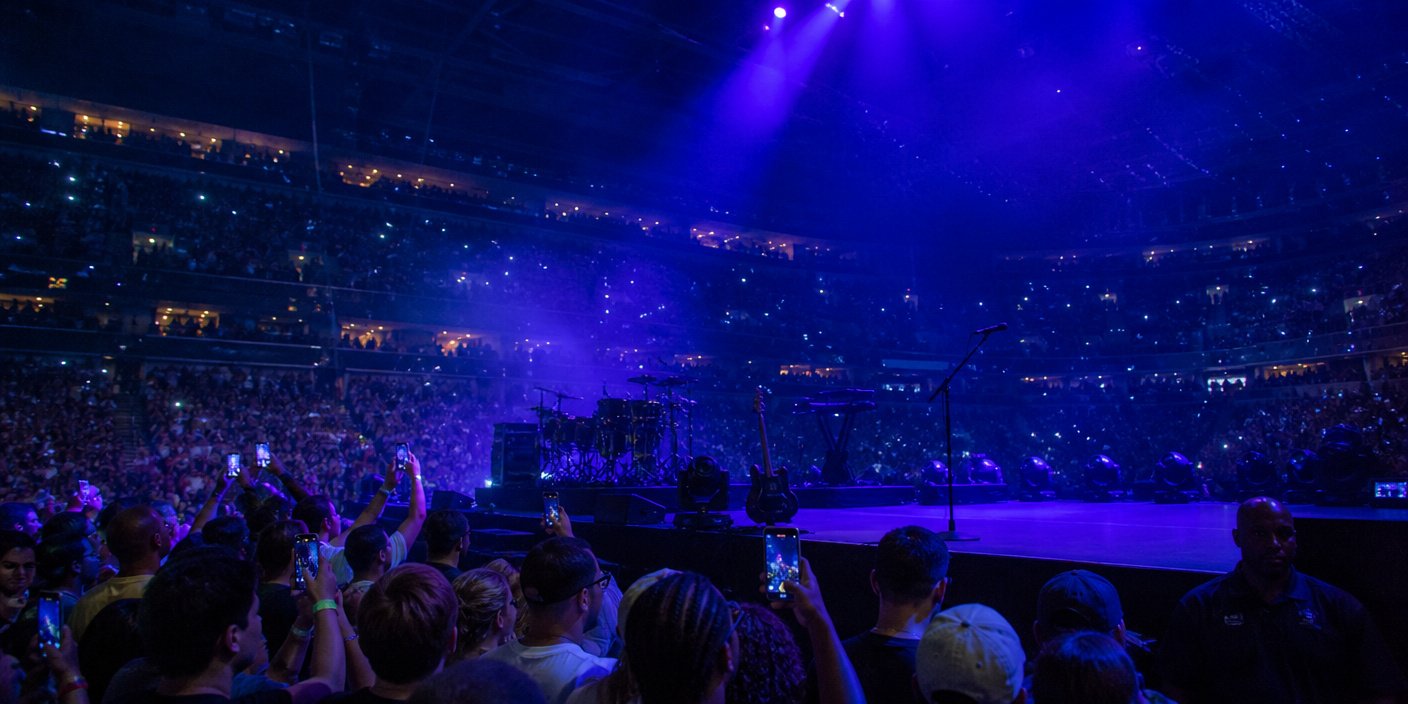
Miami’s cultural calendar is set to ignite as the city transforms into a premier destination for live entertainment between October 19 and October 26, 2026. As the South Florida humidity begins its seasonal retreat, the concert season hits a fever pitch, welcoming a diverse array of musical titans to the region’s most significant venues. From classic rock staples at the iconic Hard Rock Live in Hollywood to high-energy Latin pop spectacles at the Kaseya Center, the city is preparing for a week of unparalleled musical programming that underscores Miami’s standing as a global entertainment hub.
Key Highlights
- Rock Legends Return: The Doobie Brothers bring decades of chart-topping hits to the Hard Rock Live, anchoring the week’s legacy performances.
- R&B Sensation: Teddy Swims is scheduled to captivate audiences at the FPL Solar Amphitheater at Bayfront Park, blending soul and pop in an open-air setting.
- Latin Pop Powerhouse: Chayanne takes over the Kaseya Center, promising a high-production spectacle that highlights Miami’s unique cultural intersection.
- Logistical Preparedness: Increased traffic and high demand for ride-sharing services are expected in Downtown Miami and Hollywood throughout the seven-day window.
The Pulse of Miami’s Fall Concert Schedule
The Artists Driving the Demand
The week of October 19–26, 2026, represents a microcosm of Miami’s multifaceted music scene. The programming choice reflects a deliberate strategy by promoters like Live Nation to capture disparate demographics, ensuring that ticket demand remains robust across the entire metropolitan area.
Leading the rock contingent, The Doobie Brothers are slated for an appearance at the Hard Rock Live. For enthusiasts of the classic rock era, this performance serves as a centerpiece, offering a nostalgic yet technically refined showcase of American rock history. The acoustics of the Hard Rock Live are specifically tuned to handle the complex arrangements of a legacy band, providing a stark contrast to the more contemporary production environments elsewhere in the city.
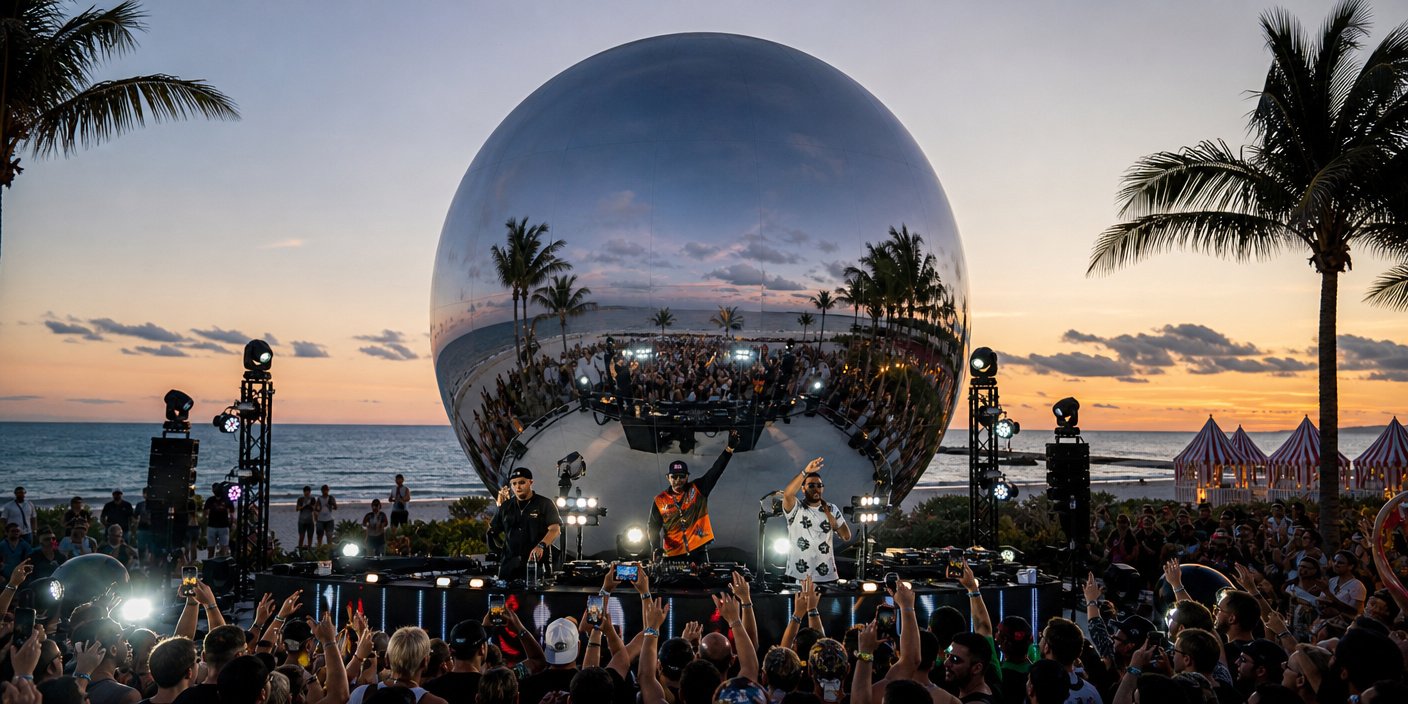
Simultaneously, the genre-bending success of Teddy Swims continues to draw massive attention. His residency at the FPL Solar Amphitheater at Bayfront Park is a strategic utilization of Miami’s waterfront architecture. The open-air venue allows for a distinct atmosphere, marrying the artist’s raw, soulful vocals with the iconic Miami skyline—a combination that has historically proven to be a top-tier draw for tourism-driven events.
Rounding out the powerhouse schedule, Chayanne’s appearance at the Kaseya Center is perhaps the most anticipated cultural event of the week. As an enduring figure in Latin pop, Chayanne commands a massive, multi-generational following. The Kaseya Center’s capacity to handle massive stage productions is essential here; expect high-fidelity visual displays and a level of choreographed performance that defines the modern Miami concert experience.
The Anatomy of Miami’s Venue Ecosystem
The venues hosting these events—Hard Rock Live, FPL Solar Amphitheater, and Kaseya Center—represent the three pillars of South Florida’s entertainment infrastructure.
Hard Rock Live, located in Hollywood, offers a ‘destination’ experience. Its integration with the broader resort complex means that concert-goers often combine the show with gaming, dining, and hotel stays, effectively turning a single-night performance into an extended economic event for the region.
Conversely, the FPL Solar Amphitheater leverages the urban density of Downtown Miami. The logistical challenge here involves the integration of the venue into the existing public transit and traffic framework of the city. Attendees are advised that the waterfront location requires significant lead time for arrival, particularly as the area transitions from a commercial hub during the day to an entertainment district by night.
Finally, the Kaseya Center acts as the city’s indoor flagship. As an arena-class facility, it manages the highest volume of patrons. The infrastructure here is designed for rapid ingress and egress, a necessity for events featuring massive international stars like Chayanne. The facility’s role in hosting large-scale events also impacts local hospitality demand, with surrounding hotels in the Brickell and Downtown areas often reaching capacity during these specific dates.
Secondary Angles: Economic Impact and Future Predictions
The economic ripple effect of this specific week in October cannot be overstated. Beyond the primary revenue generated by ticket sales—facilitated largely by platforms like Ticketmaster—the influx of out-of-town visitors provides a substantial boost to the local hospitality sector. Restaurants, bars, and transportation services in Miami and Hollywood historically see a 15-20% uptick in transactions during these major concert weeks.
Furthermore, the evolution of Miami as a concert destination is moving toward ‘event-based tourism.’ The city is no longer just a stop on a national tour; it is becoming a location where fans fly in specifically for the environment. The convergence of these three distinct artists during this seven-day window suggests that promoters are increasingly grouping high-draw acts to create a ‘festival-like’ density, even if the events are disparate. This strategy minimizes competition between venues and maximizes the total ‘capture’ of the tourist market, a trend likely to continue through 2027.
Finally, for future planning, local authorities are looking at the potential to harmonize these large-scale events with local traffic management systems. As the city continues to densify, the interplay between large venues and municipal infrastructure remains a critical narrative. Concert-goers in 2026 are increasingly prioritized as ‘temporary residents,’ and the services provided during these events are shifting to accommodate that status.
FAQ: People Also Ask
1. What is the best way to handle parking for concerts at the Kaseya Center?
Attendees are highly encouraged to utilize pre-paid parking passes available through the official venue portal or to leverage the Brightline train and Metromover systems. Downtown parking is limited and typically surges in price during event nights.
2. Are there age restrictions for these performances?
Most concerts at these venues are all-ages, though minors under a certain age—typically 16 or 18—may require adult accompaniment. Always check the specific ticket listing on your point-of-purchase platform as policy can vary by promoter.
3. How early should I arrive for events at the FPL Solar Amphitheater?
Because the venue is open-air and utilizes general admission seating for certain sections, arriving at least 90 minutes before the scheduled start time is recommended to navigate security and secure a preferred viewing spot.
4. Are these concerts accessible for individuals with disabilities?
Yes. Hard Rock Live, Kaseya Center, and FPL Solar Amphitheater are fully ADA-compliant, offering designated accessible seating, ramps, and elevator access. It is advised to contact the venue’s guest services department 48 hours in advance to discuss specific needs.