The University of Miami’s Frost School of Music is set to conclude its collaborative academic season tonight with the Frost Chamber Music Showcase IV, a pivotal performance highlighting the culmination of student development in one of the country’s most innovative music education environments. Held at the Newman Recital Hall within the architecturally stunning Knight Center for Music Innovation, the event represents more than just a concert; it serves as a public demonstration of the pedagogical rigor and artistic synthesis that the Frost School has cultivated throughout the 2025-2026 academic year.
Under the expert direction of Jennifer Grim and Svet Stoyanov, the showcase brings together a diverse array of student ensembles, each tasked with interpreting repertoire that spans across centuries. This event is a critical component of the school’s mission to foster not only technical mastery but also a deep, empathetic understanding of collaborative performance—a core tenet of the chamber music discipline.
- Event Details: Frost Chamber Music Showcase IV takes place tonight, April 20, at 7:30 p.m. in the Newman Recital Hall.
- Artistic Leadership: The showcase is curated and led by faculty directors Jennifer Grim and Svet Stoyanov, both renowned for their commitment to chamber music pedagogy.
- Venue Excellence: Performances are hosted at the Knight Center for Music Innovation, a facility designed specifically to push the boundaries of acoustic precision and performance technology.
- Inclusive Access: In keeping with the Frost School’s community engagement mission, the performance is free to the public, offering a bridge between academic study and the broader Miami cultural landscape.
The Anatomy of a Chamber Showcase
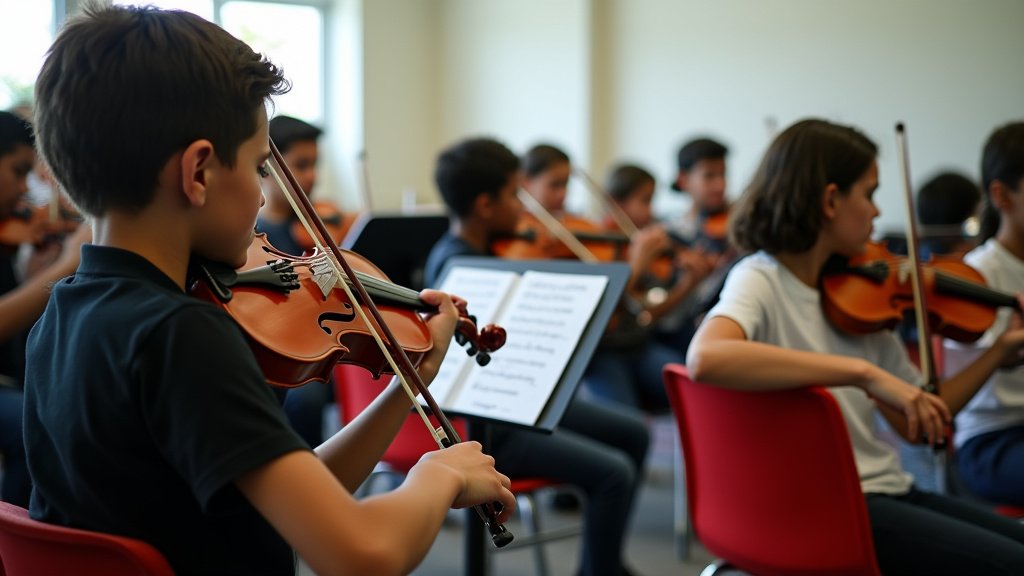
To understand the significance of the Frost Chamber Music Showcase IV, one must first appreciate the specific demands of chamber music in a conservatory setting. Unlike orchestral performance, which relies on the unified vision of a conductor and a massive body of sound, chamber music is a democratic dialogue. It requires an intense level of musicianship where each individual player is simultaneously a soloist and a supporting voice. At the Frost School, this requires students to navigate a complex set of interpersonal and musical dynamics that are essential for their future professional careers.
The Pedagogical Philosophy of Frost
The Frost School of Music has consistently distinguished itself by prioritizing innovation. The chamber music program is not merely an extracurricular activity but a cornerstone of its instrumental performance curriculum. Directors Jennifer Grim and Svet Stoyanov emphasize a methodology that forces students to engage with their peers in real-time decision-making. This involves not only technical skill—intonation, rhythm, and phrasing—but also non-verbal communication and the ability to adapt to a partner’s musical choices during a performance. This “collaborative intelligence” is what the faculty aims to produce in every student, preparing them for an industry where flexibility and ensemble cohesion are as valuable as technical virtuosity.
The Knight Center for Music Innovation Advantage
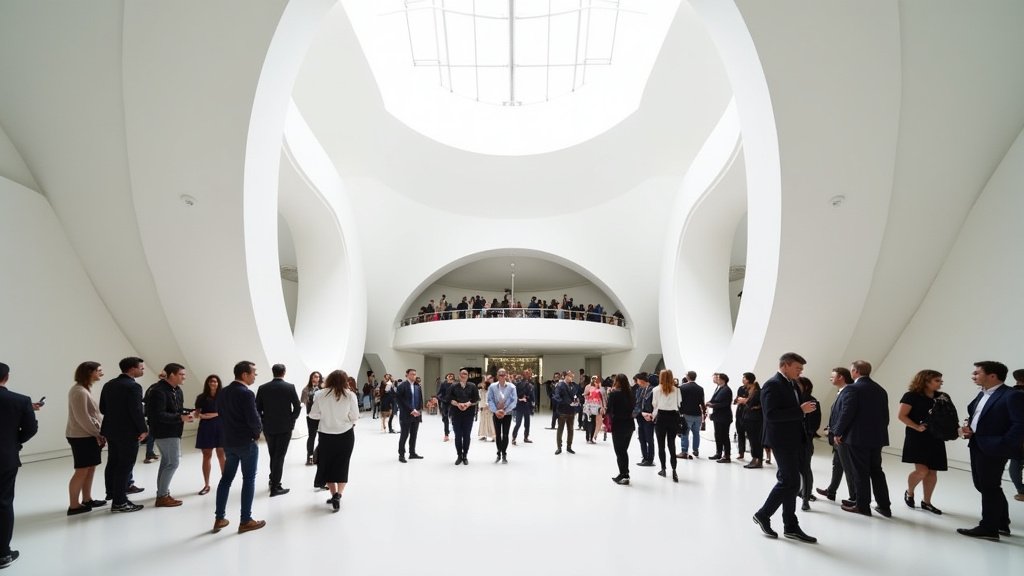
The Newman Recital Hall, located within the Knight Center for Music Innovation, plays an outsized role in the success of these showcases. The facility was designed to offer world-class acoustics, allowing students to hear their own instrument and their peers’ instruments with absolute clarity. For a chamber ensemble, this level of sonic feedback is transformative. It allows for a level of nuance that might be lost in less specialized venues. The architecture of the space itself acts as a third participant in the chamber music dialogue, demanding a heightened level of awareness from the performers regarding their own sound production and the blended texture of the group.
Exploring the Repertoire and Cultural Impact
The repertoire selected for the final showcase typically spans multiple historical eras, reflecting the Frost School’s commitment to providing students with a comprehensive understanding of musical evolution. From the structural clarity of the Baroque and Classical eras to the experimental textures of contemporary compositions, the students are required to master vastly different performance aesthetics. This breadth of programming is deliberate. By performing works by composers such as Beethoven or Brahms alongside living, contemporary creators, students are taught to perceive classical music as a living, breathing tradition rather than a stagnant historical artifact.
The Intersection of Tradition and Modernity
One of the most compelling aspects of the Frost chamber program is its ability to integrate the old with the new. This is reflective of the wider trends in the classical music industry, where ensembles are increasingly looking for ways to remain relevant in a digital age. By training students to interpret the classics through a modern lens, the Frost School ensures that its graduates are not just technicians, but creative interpreters capable of re-contextualizing historical works for 21st-century audiences.
Preparing for the Global Stage
With the Frost School approaching its centennial anniversary later this year, the pressure—and the excitement—surrounding these performances is at an all-time high. The faculty is acutely aware that these student performances are the training ground for the next generation of professional musicians. Many of the students participating in tonight’s showcase will go on to join professional chamber ensembles, symphony orchestras, or teaching faculties. The discipline required to prepare a recital program at this level of quality is a direct simulation of the professional experience, providing students with a resume of real-world, high-stakes performance opportunities that set them apart in a competitive job market.
The Broader Context: Why Chamber Music Matters
Chamber music is often referred to as the “music of friends.” It is an intimate, private form of art that requires listeners to engage more actively with the performers. In an era dominated by large-scale digital entertainment and solo-artist celebrity culture, the endurance of chamber music serves as a vital counterweight. It reminds us that music is, at its essence, a social activity.
Developing Ensemble Synergy
There is a profound psychological benefit to the work these students are doing. The collaborative nature of chamber music fosters teamwork, conflict resolution, and mutual respect. When an ensemble works together to shape a phrase or define a tempo, they are negotiating. They are learning how to lead and how to follow. These are soft skills that transfer far beyond the stage, making the Frost chamber music program a holistic developmental experience.
The Role of Mentorship
The influence of directors like Jennifer Grim and Svet Stoyanov cannot be overstated. Their role is not just to teach notes on a page, but to curate the musical lives of these students. By guiding them through the selection of repertoire and the mechanics of rehearsals, they provide a blueprint for how a musician should manage their own career. This mentorship model is a hallmark of the Frost School’s success, creating a pipeline of talent that is consistently recognized at the highest levels of the music industry.
Looking Ahead: The Future of Frost
As the Frost School of Music looks toward its upcoming centennial celebrations, events like the final Chamber Music Showcase serve as a reflection of its heritage and its future. The investment in the Knight Center, the commitment to diverse repertoire, and the focus on collaborative pedagogy all point to a school that is secure in its identity. The final showcase is a celebration of the work completed, but it is also a signal of the potential of these young musicians to influence the future of music performance globally.
FAQ: People Also Ask
Q: What is the significance of the Frost Chamber Music Showcase IV?
A: It represents the final major collaborative performance for students in the Frost School’s chamber music program for the 2025-2026 academic year, showcasing their progress and interpretive growth.
Q: Where is the concert held and is it open to the public?
A: The performance takes place at the Newman Recital Hall, located within the Knight Center for Music Innovation at the University of Miami. It is free and open to the public.
Q: Who are the primary faculty directors behind this program?
A: The program is directed by Jennifer Grim and Svet Stoyanov, who guide students through the complexities of chamber music collaboration and repertoire selection.
Q: Why is chamber music essential for music students?
A: It fosters critical skills in collaborative performance, attentive listening, and real-time artistic decision-making, which are essential for professional development in any musical career.