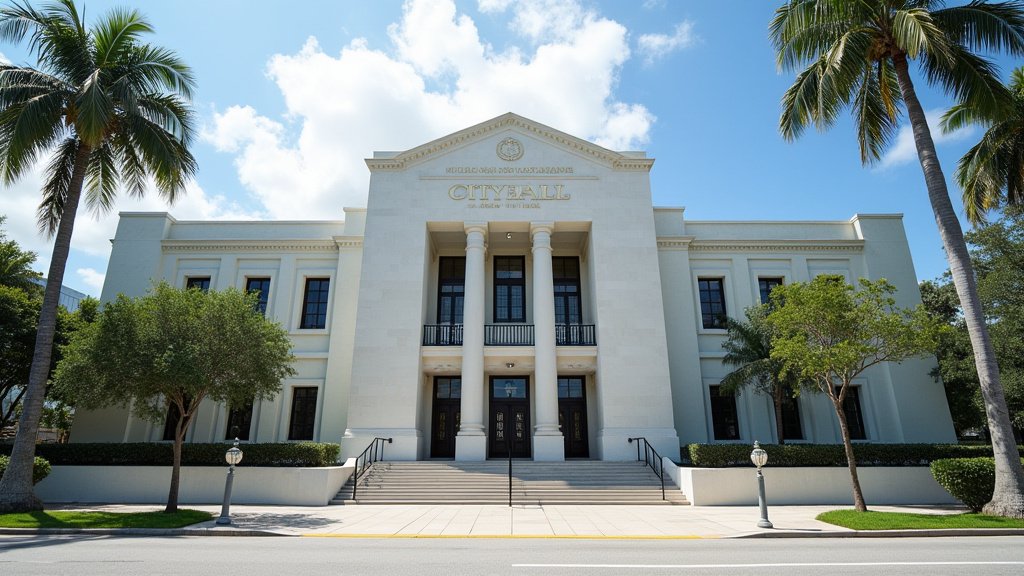
The persistent impasse surrounding the activation of critical mental health infrastructure has sparked intense debate among policymakers and healthcare advocates. As communities grapple with rising demand for psychiatric services, a growing chorus of experts suggests that the answer to the mental health center dilemma is, quite simply, to open the facilities already constructed but currently shuttered due to administrative and bureaucratic hurdles. This call to action highlights a frustrating paradox: while funding is allocated and buildings are completed, the regulatory red tape prevents the essential delivery of care to those who need it most.
The Bureaucratic Barrier to Care
The root cause of this operational stagnation is often a complex web of staffing shortages, licensing delays, and inter-agency jurisdictional disputes. In many jurisdictions, mental health centers have been finished for months, yet they remain closed because of lingering requirements related to state certification or the inability to recruit sufficient clinical staff in a hyper-competitive labor market. Advocates argue that these barriers are not insurmountable and that prioritize operational readiness could save lives. By cutting through red tape and focusing on immediate staffing solutions, such as temporary licensure waivers or public-private partnerships, authorities could dramatically accelerate the timeline for bringing these facilities online.
Impact on Community Health
When mental health centers remain closed, the burden shifts to emergency rooms and law enforcement, neither of which are optimized for long-term psychiatric treatment. This misalignment creates a ‘revolving door’ effect, where patients cycle through crisis interventions without receiving stable, therapeutic support. The social and economic costs of this inefficiency are profound, leading to decreased community safety and increased long-term healthcare expenditures. Opening these centers would represent a fundamental shift toward proactive, preventative care, rather than a reactive approach that fails to address the underlying causes of mental health crises.
Policy Recommendations for Immediate Action
To break the current deadlock, policy experts are urging local governments to adopt a streamlined ‘operational-first’ mandate. This would involve prioritizing licensing fast-tracks for facilities that have already passed safety inspections and implementing aggressive recruitment incentives to fill vacancies. Furthermore, transparency in the decision-making process is essential. When the public understands why a facility remains closed, they can better advocate for the specific administrative changes needed to force it open. The focus must shift from the politics of construction to the pragmatism of patient access. By viewing these facilities as vital public utility infrastructure rather than political bargaining chips, stakeholders can ensure that the investment made by taxpayers actually translates into accessible, high-quality mental health support for the community.
FAQ: People Also Ask
Q: Why are completed mental health centers often left empty?
A: They are frequently delayed by bureaucratic hurdles, including state licensing requirements, staffing shortages, and issues securing operational funding or specialized accreditation.
Q: How does the delay in opening centers impact emergency services?
A: It forces emergency departments to act as de facto psychiatric wards, increasing wait times for all patients and stretching resources for law enforcement who often have to manage mental health crisis calls.
Q: What is the most effective way to expedite the opening of these facilities?
A: Experts suggest implementing fast-track licensing, offering competitive pay incentives to recruit necessary staff, and prioritizing public-private partnerships to bridge operational funding gaps.