New Census data reveals a significant population shift in Miami-Dade County, with experts pointing to complex economic factors, housing costs, and recent immigration trends as primary drivers of this demographic turnaround. After years of explosive growth that transformed the region into a major global metropolis, the latest figures indicate a period of stagnation and slight decline, signaling a potential turning point for South Florida’s urban planning and economic policy.
- Miami-Dade County has officially recorded a drop in total population in recent Census estimates, ending a decade-long streak of rapid expansion.
- Demographic experts cite high housing affordability challenges as a primary catalyst for outward migration.
- Shifting patterns in both international migration and domestic relocation are contributing to the cooling of the local population boom.
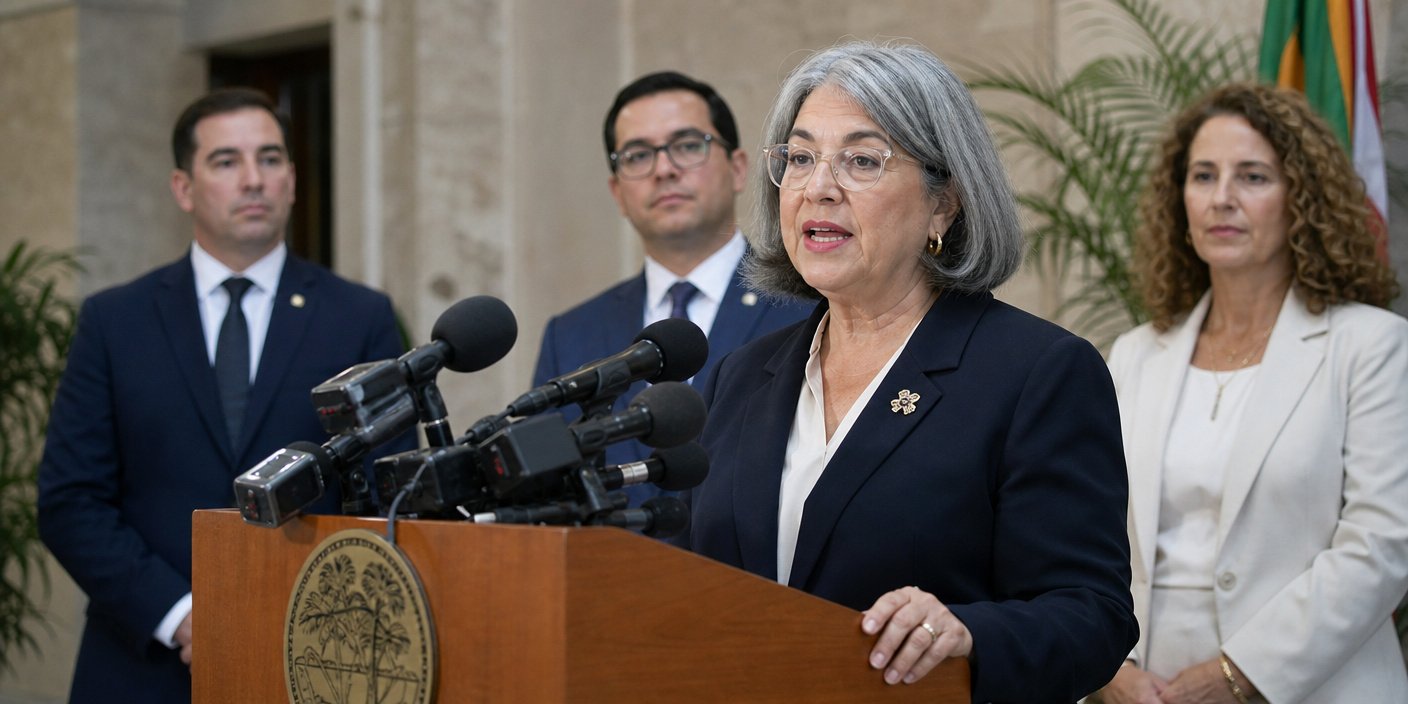
- Local officials are re-evaluating infrastructure and housing policies in response to these new statistical realities.
The Deep Dive
Analyzing the Demographic Shift
For years, Miami-Dade was the poster child for American growth, attracting thousands of new residents annually from across the globe and the domestic United States. However, the most recent Census Bureau data paints a more complex picture. The numbers suggest that the aggressive growth curve has not only flattened but, in some municipalities, begun to dip. This shift is not necessarily an indictment of Miami’s cultural or economic appeal, but rather a reflection of the severe structural challenges that often accompany rapid urbanization, specifically the cost of living crisis.
As housing prices skyrocketed during the post-pandemic real estate frenzy, many long-term residents and middle-income families found themselves priced out of the market. When the cost of housing exceeds wage growth by significant margins, demographic displacement is an inevitable consequence. The Census data suggests that a “flight to affordability” is occurring, with residents moving to neighboring counties like Broward, Palm Beach, or even outside the state entirely to find more manageable living conditions.
The Intersection of Migration and Policy
While housing remains the most cited economic factor, the conversation surrounding Miami-Dade’s population also involves complex immigration dynamics. While official Census counts focus on total residency, broader policy changes at both the state and federal levels regarding immigration have created an environment of uncertainty that impacts migration flows. Some researchers argue that changes in international immigration policy have tempered the traditional influx of foreign-born residents who historically sustained the county’s population growth.
Furthermore, the “net migration” metrics—which track how many people are coming into the region versus those leaving—show a narrowing gap. The pandemic-era trend of remote workers flocking to Miami has slowed, and as companies shift back toward hybrid or office-based models, the transient workforce that helped buffer the population numbers is dispersing. This realization has forced local policymakers to transition from a strategy of managing “explosive growth” to one of managing “sustainable development.”
Economic Implications for South Florida
What does this mean for the future of the region? A plateauing population does not mean an economic collapse, but it does require a shift in economic strategy. For developers, it means a potential cooling in the luxury condo market and a greater necessity to focus on workforce housing. For the local government, it presents a budgetary challenge; property tax revenues that were expected to surge based on population growth projections may need to be recalibrated.
Ultimately, Miami-Dade is entering a new phase of maturity. After a decade of frantic expansion, the county is experiencing a necessary, albeit painful, recalibration. If the region can address the housing affordability crisis while diversifying its economy beyond tourism and real estate, it may find that a more stable, albeit slower, rate of population change is healthier for the long-term infrastructure and quality of life for its residents.
FAQ: People Also Ask
1. Is Miami-Dade losing population for the first time?
While the county has seen fluctuations in the past, the current data marks a significant change from the consistent, high-speed growth trend that characterized the previous decade.
2. Is high cost of living the only reason people are leaving?
No, while it is a major factor, other contributors include changes in remote work patterns, the shifting nature of international immigration, and domestic movement to more affordable suburban or rural areas.
3. Does a population dip mean the economy is shrinking?
Not necessarily. A stabilization of population growth can sometimes lead to a more sustainable economic environment, provided that local leaders adjust housing and infrastructure policies to accommodate the existing population effectively.