As Miami voters prepare to head to the polls, the focus on the Miami Election Budget has intensified, revealing a significant budget shortfall and accusations of financial mismanagement that have become the dominant narrative. Florida Chief Financial Officer (CFO) Blaise Ingoglia’s recent analysis, highlighting that the City of Miami is a staggering $94 million over budget, has ignited sharp criticism from candidates vying for city leadership, who decry what they term “chaos and corruption” and “wasteful spending” within City Hall, making the Miami Election Budget a central issue.
The Financial Reckoning: Analyzing the Miami Election Budget
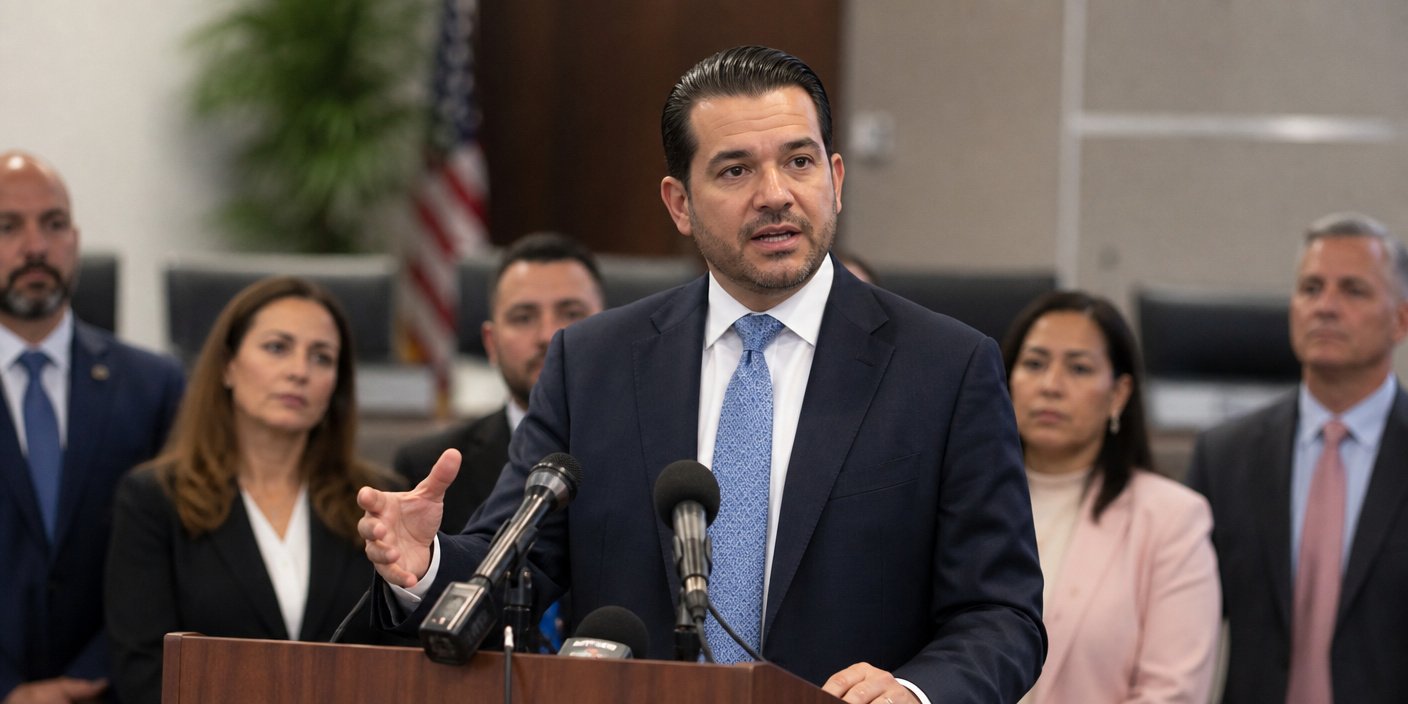
CFO Ingoglia’s office released findings indicating that Miami’s expenditures have far outpaced inflation and population growth, leading to the substantial budget deficit. According to his analysis, the city’s budget has ballooned by over $358 million—a 44.29% increase—since the 2019-2020 fiscal year. Ingoglia has characterized this surge as the most significant budget bulge in the state, even suggesting that “if this was a business, the City of Miami would go bankrupt”. The analysis, scrutinizing the Miami Election Budget, is part of a broader state initiative by Ingoglia to audit local governments for perceived fiscal irresponsibility, aiming to identify over $1.1 billion in alleged wasteful spending across Florida. This extensive examination of the Miami Election Budget has raised serious concerns about City of Miami finances.
Ingoglia has urged city officials to implement property tax relief, proposing a reduction in the millage rate that could save homeowners hundreds of dollars annually. His findings regarding the Miami Election Budget have become a rallying cry for fiscal conservatives and a critical talking point in the increasingly competitive Miami elections. The state’s Department of Government Efficiency (DOGE), under Ingoglia’s purview, has been instrumental in these audits, with the City of Miami having formally invited DOGE to review its spending earlier this year, further highlighting the scrutiny on the Miami Election Budget.
Candidates React: A Chorus of Criticism and Reform Promises Regarding the Miami Election Budget
The financial revelations have galvanized candidates, who are leveraging the audit findings of the Miami Election Budget to differentiate themselves and criticize incumbent leadership. The “chaos and corruption” narrative is trending across campaign platforms, with candidates promising transparency, accountability, and a drastic overhaul of City of Miami finances, directly addressing the concerns surrounding the Miami Election Budget.
Miami-Dade Commissioner Eileen Higgins, a leading mayoral candidate, has squarely placed the blame on “city hall insiders” and the persistent “chaos and corruption” that she argues have left taxpayers paying more for less. Higgins, who has secured an endorsement from Miami-Dade Mayor Daniella Levine Cava, advocates for an “outsider” perspective to tackle the financial crisis, emphasizing that the problem extends beyond the current fiscal year and significantly impacts the Miami Election Budget.
Former City Manager Emilio González, who served in that role during the 2019 fiscal year that Ingoglia uses for comparison, has applauded the CFO’s findings on the Miami Election Budget. González stated, “The money is there. What is missing is responsible leadership,” and has pledged to cut waste and demand accountability to provide tax relief to homeowners. Notably endorsed by Governor Ron DeSantis, González positions himself as a fiscally conservative leader ready to implement significant reforms to address the election budget crisis.
Former City Commissioner Ken Russell has long been a vocal critic of alleged corruption at City Hall and sees the audit of the Miami Election Budget as validation of his stance. While acknowledging that waste exists, Russell has expressed reservations about state overreach into local fiscal matters, proposing instead that the city adjust its millage rate to offer relief and emphasizing the need for better governance in managing the Miami Election Budget.
Rolando Escalona, a candidate for the District 3 Commission seat, has echoed the sentiments of “corruption and control by the same City Hall insiders and political dynasties.” He has vowed to “start the budget from scratch” if elected, aiming to eliminate what he calls “abuse of power” and reform the Miami Election Budget.
The Election Stakes: Fiscal Responsibility and the Miami Election Budget on the Ballot
The municipal election, with its General Election scheduled for November 4th and early voting commencing on October 25th, is now heavily defined by the city’s financial health and the scrutinized Miami Election Budget. Candidates are framing their platforms around fiscal prudence, innovative budgeting, and combating fiscal mismanagement Miami, all in response to the Miami Election Budget concerns.
The debate also touches upon broader financial discussions trending statewide, including proposals for property tax relief and potential elimination, a topic championed by Governor DeSantis and debated by state legislative leaders. Candidates are weighing in on the balance between local control and state oversight, with some asserting that such decisions, particularly concerning the Miami Election Budget, should remain with the city, and others expressing concerns about a potential election budget crisis.
The city commission, in response to Ingoglia’s analysis of the Miami Election Budget, has dismissed the findings as incomplete and “shortsighted”. However, the persistent news coverage of the budget overrun and the strong reactions from candidates signal that financial accountability and proper management of the Miami Election Budget are top concerns for Miami residents as they prepare to cast their votes, directly addressing the issue of Miami City Hall spending.
A City at a Crossroads: Confronting the Miami Election Budget
With accusations of “chaos and corruption” at the forefront and a significant budget deficit casting a shadow over the Miami Election Budget, the upcoming Miami elections present a pivotal moment for the city. Voters face a clear choice between Miami mayoral candidates promising to clean house, instill fiscal discipline, and restore public trust, all while tackling the challenges presented by the Miami Election Budget. The outcomes of these elections will undoubtedly shape the financial trajectory and governance of Miami for years to come, making this financial news, particularly concerning the Miami Election Budget, a critical development for the city’s future.