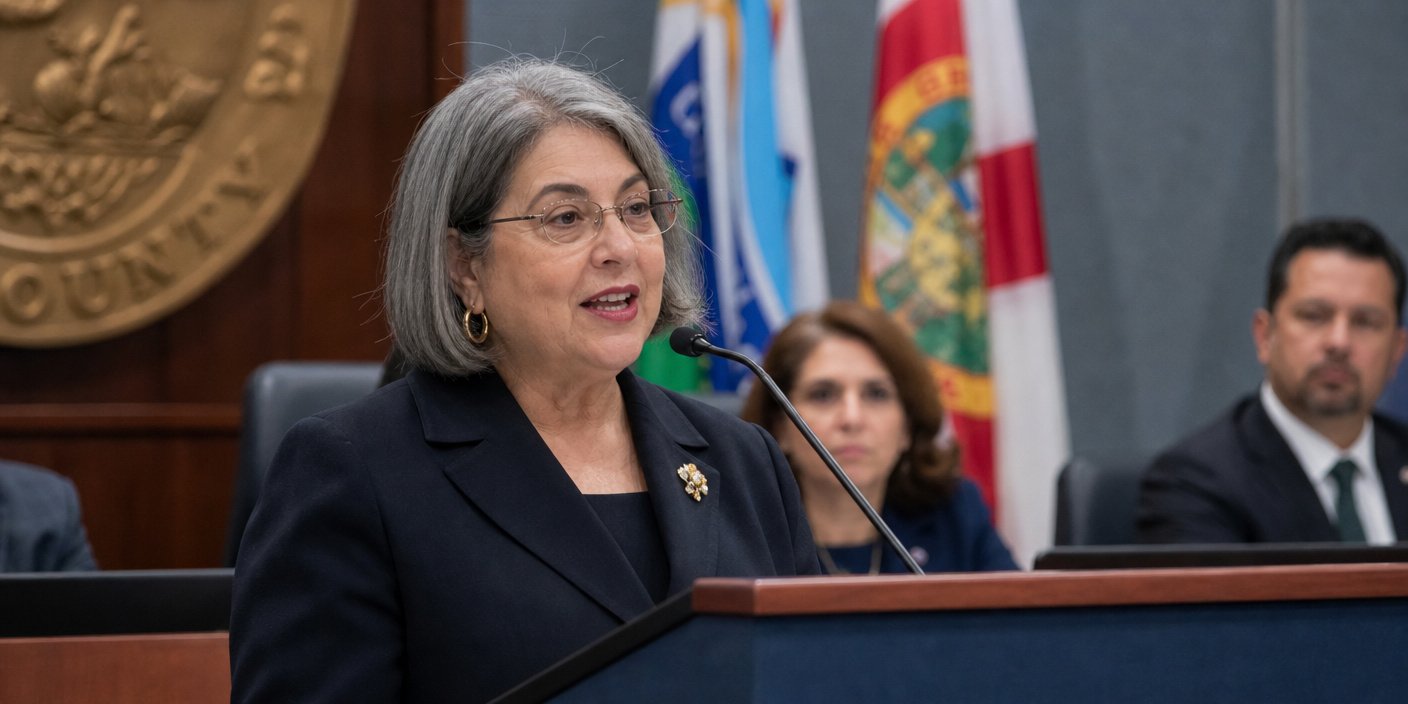
High-level talks convened in Miami, marking a significant moment in the ongoing efforts for the **Miami Peace Talks**. Ukrainian security leaders met US negotiators on December 4, 2025, with the discussions primarily focused on advancing peace efforts. The US delegation included Steve Witkoff and Jared Kushner, acting as envoys for President Donald Trump, while Ukraine’s representatives were Rustem Umerov, the National Security and Defense Council Secretary, and Andrii Hnatov, Chief of Staff of the Armed Forces. This **Miami Peace Talks** meeting represented a key instance of diplomatic engagement.
A Global Diplomatic Push for the Miami Peace Talks
The discussions for the **Miami Peace Talks** occurred amidst intense global diplomacy, following a recent visit to Moscow. Witkoff and Kushner had previously met with Russian President Vladimir Putin on December 2, 2025, in a meeting that lasted nearly five hours. Moscow described those talks as constructive, though no agreement was reached. This shuttle diplomacy underscores the persistent efforts underway to identify a viable path to peace, a topic currently trending globally. The **Miami Peace Talks** are a crucial part of this broader initiative.
The Evolving Peace Plan in Miami Peace Talks
A comprehensive peace plan remains central to these discussions at the **Miami Peace Talks**. Initially, the US supported a 28-point proposal, which was perceived by many as favoring Russia. President Zelensky subsequently revised this, with updated plans reportedly featuring 20 points, though other reports suggest different figures. Key issues, such as territorial disputes, the utilization of frozen Russian assets, and the provision of security guarantees for Ukraine, continue to be difficult to resolve and are at the forefront of the **Miami Peace Talks**. These sensitive topics necessitate meticulous negotiation.
Key Figures in the Miami Peace Talks Negotiations
Steve Witkoff, a special envoy and real estate developer, and Jared Kushner, President Trump’s son-in-law and senior advisor, are instrumental figures in the **Miami Peace Talks**. Representing Ukraine are Rustem Umerov, leading the security council, and Andrii Hnatov, a top military chief. Navigating these complex discussions also involves Russia’s leader, Vladimir Putin, who maintains firm territorial demands. The **Miami Peace Talks** bring these key individuals together to address critical geopolitical challenges.
Miami: An Unofficial Hub for US Envoy Diplomacy
Miami has emerged as a significant focal point, with South Florida serving as an unofficial foreign policy hub for the Trump administration. Witkoff and Kushner have previously conducted sensitive talks from Miami, notably brokering an Israel-Hamas agreement. Their decision to host Ukraine diplomacy here further highlights Miami’s growing influence in facilitating critical international discussions. The **Miami Peace Talks** exemplify this trend in US envoy diplomacy.
Differing Perspectives Emerge at the Miami Peace Talks
Reports from Moscow indicate that progress during the **Miami Peace Talks** was slow. Russian officials acknowledged that some US proposals were acceptable, while others faced criticism. Putin stated the talks were useful but difficult, deeming certain proposals unacceptable. Ukraine’s objective is a “worthy peace,” with President Zelensky seeking full clarity on Russia’s stance and remaining wary of further pretexts for conflict. Understanding these differing perspectives is vital for the **Miami Peace Talks**.
European Concerns Surface Regarding Miami Peace Talks
European leaders have voiced reservations, expressing worries about US transparency and potential betrayals of Ukraine’s interests. Concerns regarding territory and security, as well as a perceived exclusion from key discussions, have been raised by European nations. They emphasize the necessity of their involvement in the **Miami Peace Talks**. This diplomatic friction adds a layer of complexity to the ongoing peace plan negotiation.
Challenges Remain Ahead for the Miami Peace Talks
The path toward achieving peace remains uncertain, with Putin insisting on territorial gains while Ukraine steadfastly rejects ceding its land. Security guarantees are paramount for Kyiv, and the issue of frozen Russian assets presents another significant hurdle. The **Miami Peace Talks** face substantial challenges, compounded by Russia’s ongoing aggression. Balancing diplomatic efforts with necessary pressure on Russia is a critical consideration. The **Miami Peace Talks** are pivotal in navigating these complex issues.
Future Diplomatic Moves Following the Miami Peace Talks
Future meetings are anticipated, although the ultimate outcome of the **Miami Peace Talks** remains unclear. Both sides acknowledge that substantial work lies ahead, underscoring the need for careful diplomacy. The news emerging from these negotiations is being closely monitored, and this ongoing peace push continues to trend. Ultimately, the pursuit of a lasting solution through initiatives like the **Miami Peace Talks** is the overarching goal.
Conclusion of Discussions at the Miami Peace Talks
The **Miami Peace Talks** have concluded, having provided updates and feedback exchanged between the parties. Ukraine’s president will guide the next steps, though the core issues remain unresolved, necessitating further talks. The quest for peace in Ukraine is ongoing, and these discussions are critical for regional and global stability. The **Miami Peace Talks** represent a vital stage in this complex diplomatic process.