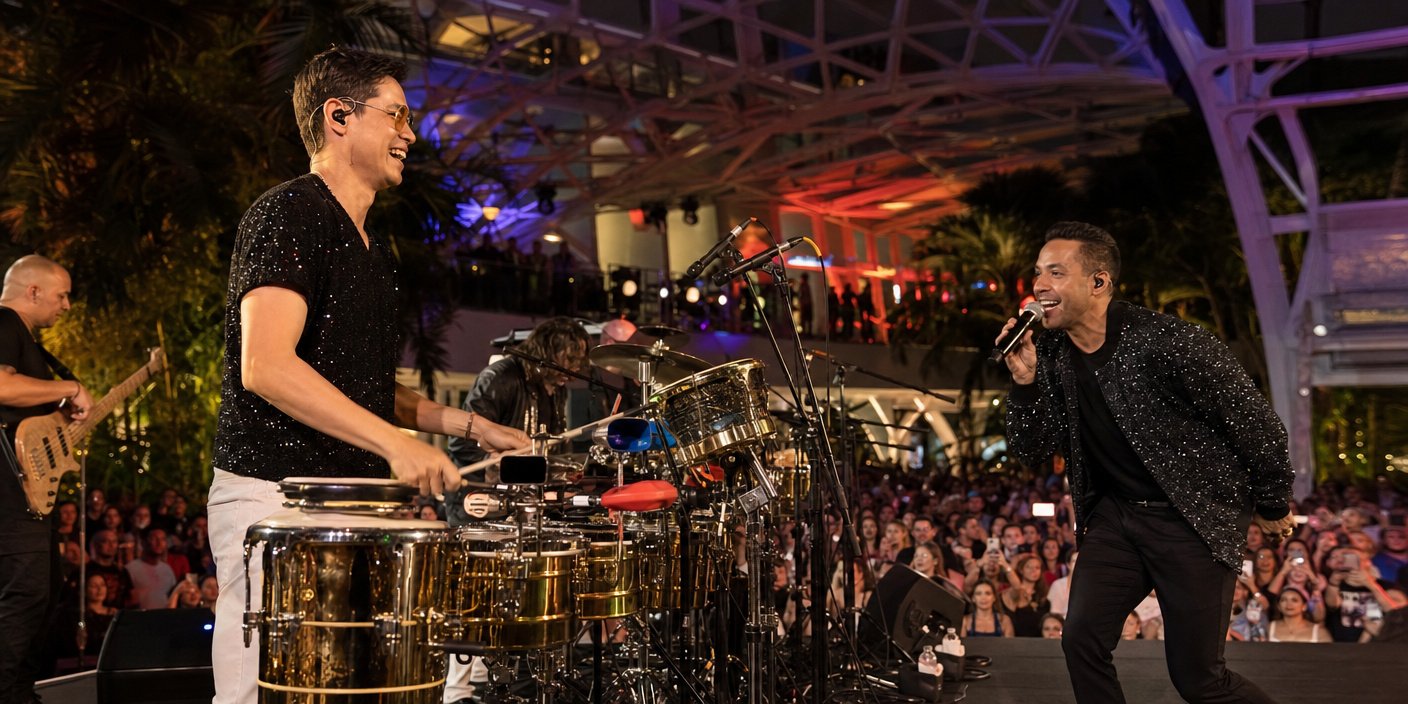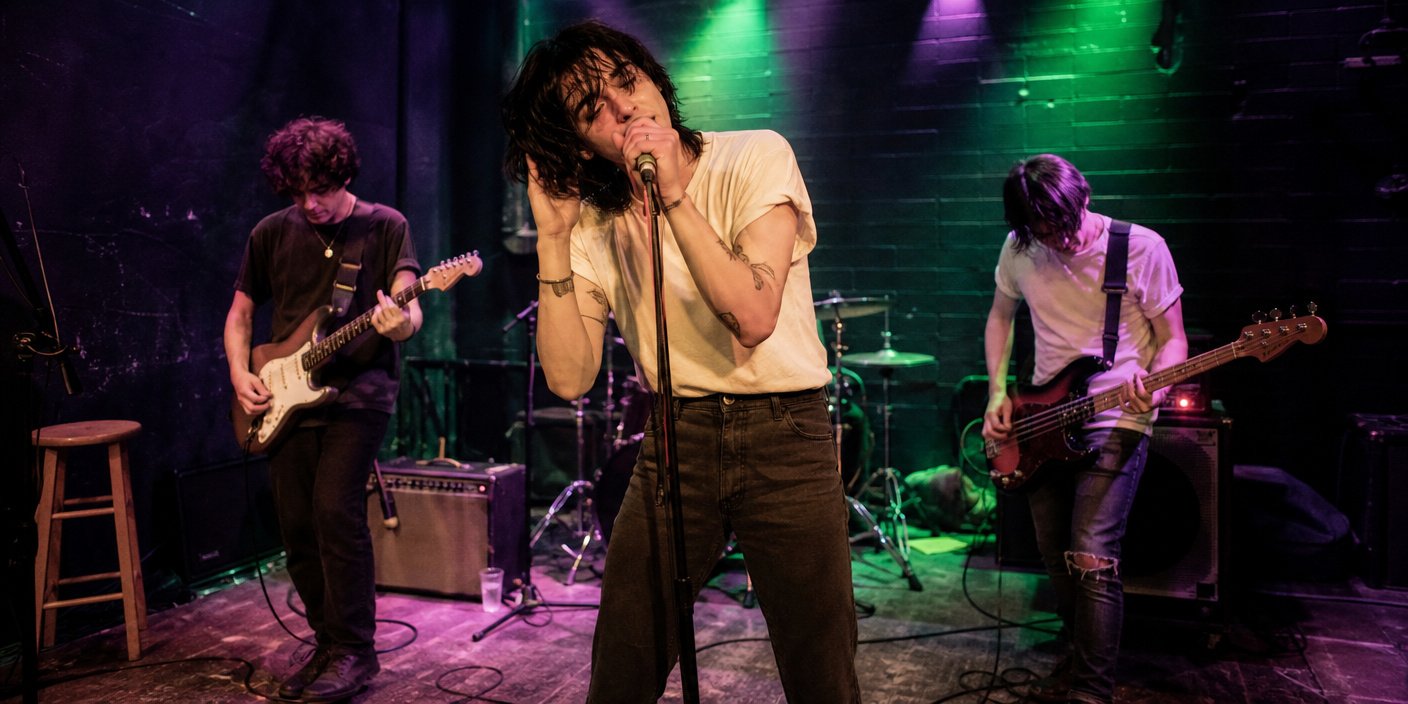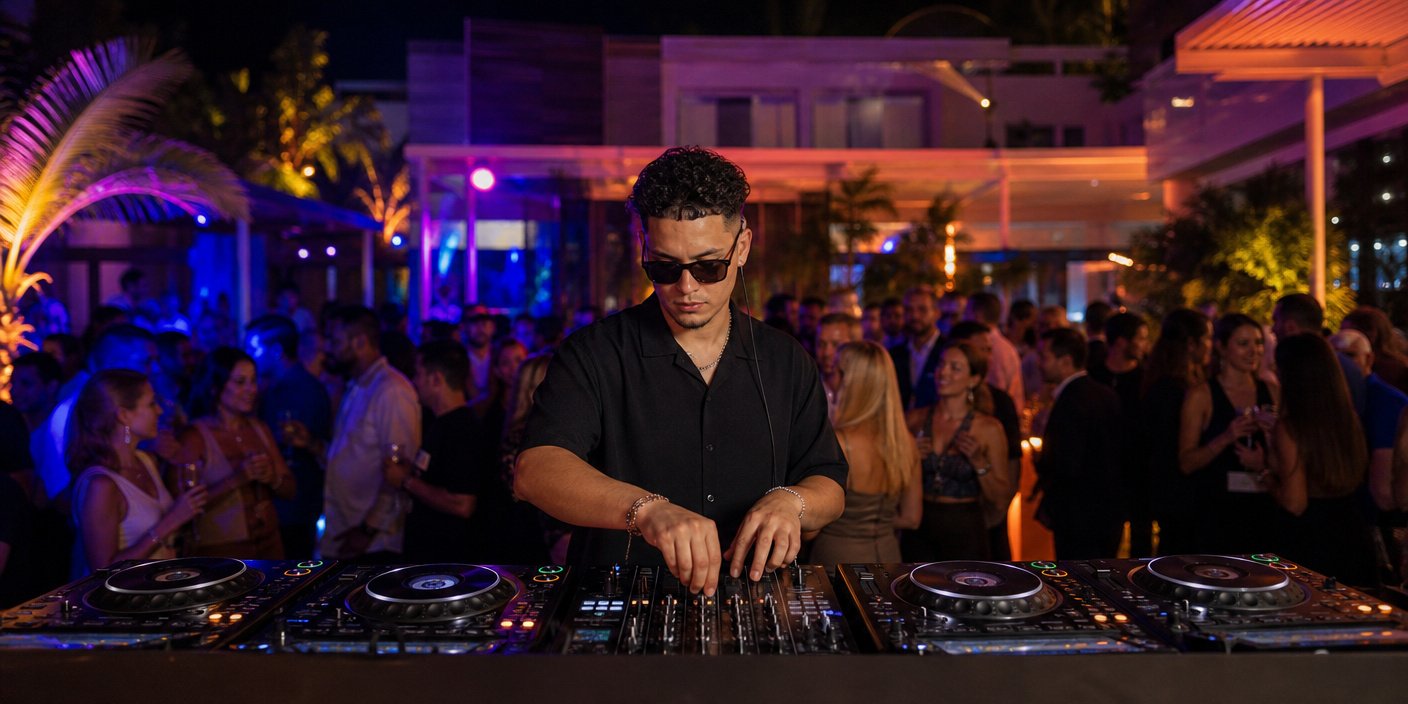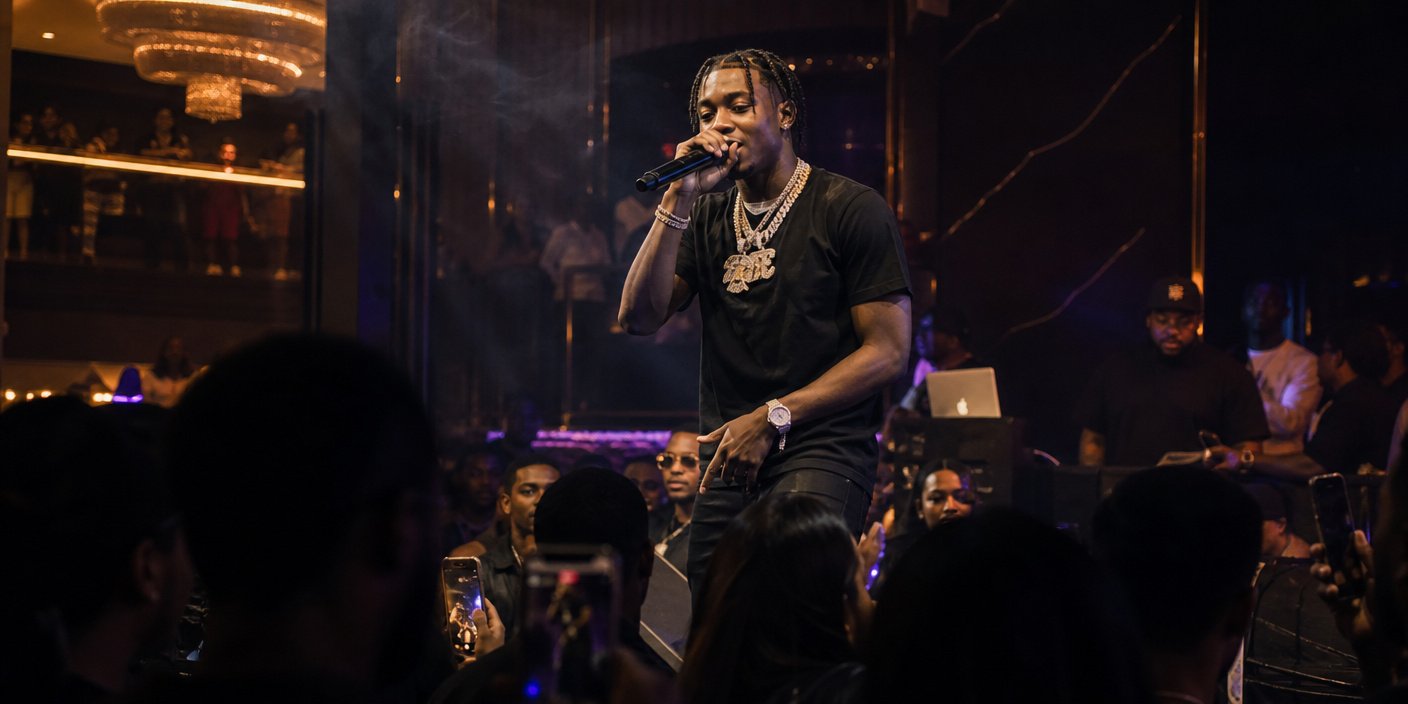
As the summer heat begins to mellow into the final stretch of August, Miami’s entertainment infrastructure is hitting a fever pitch. The regional concert scene, a crucial barometer for local tourism and economic vitality, is experiencing a concentrated surge of performances that draw fans from across the state and beyond. Central to this activity is the Seminole Hard Rock Hotel & Casino in Hollywood, Florida, which has cemented its status as a critical hub for high-profile touring acts. With major events slated throughout the week, including a significant performance on August 20, the local event calendar is currently one of the most dynamic in the United States.
Key Highlights
- Hard Rock Live Activity: The Seminole Hard Rock Hotel & Casino in Hollywood continues to dominate the late-August calendar, featuring high-profile headliners.
- August 20th Benchmark: A key anchor event occurred on August 20, serving as a primary focal point for the region’s concert-going audience this month.
- Economic Ripple Effect: Major concert bookings are directly fueling local hospitality revenue, including increased occupancy rates at luxury hotels and heightened demand for regional transport services.
- Navigating the Market: Audience members are increasingly relying on integrated digital ticketing platforms, reflecting a broader industry shift toward mobile-first venue entry.
The Pulse of Miami’s Late-Summer Entertainment
The Miami concert landscape is not merely a collection of isolated performances; it is a complex ecosystem that drives local commerce and cultural engagement. As August concludes, promoters and venue operators are managing a dense schedule that balances legacy acts with modern touring spectacles. The logistics of this late-summer surge require significant coordination, as venues pivot from daily operations to high-capacity event management in a matter of hours.
The Hard Rock Live Anchor Effect
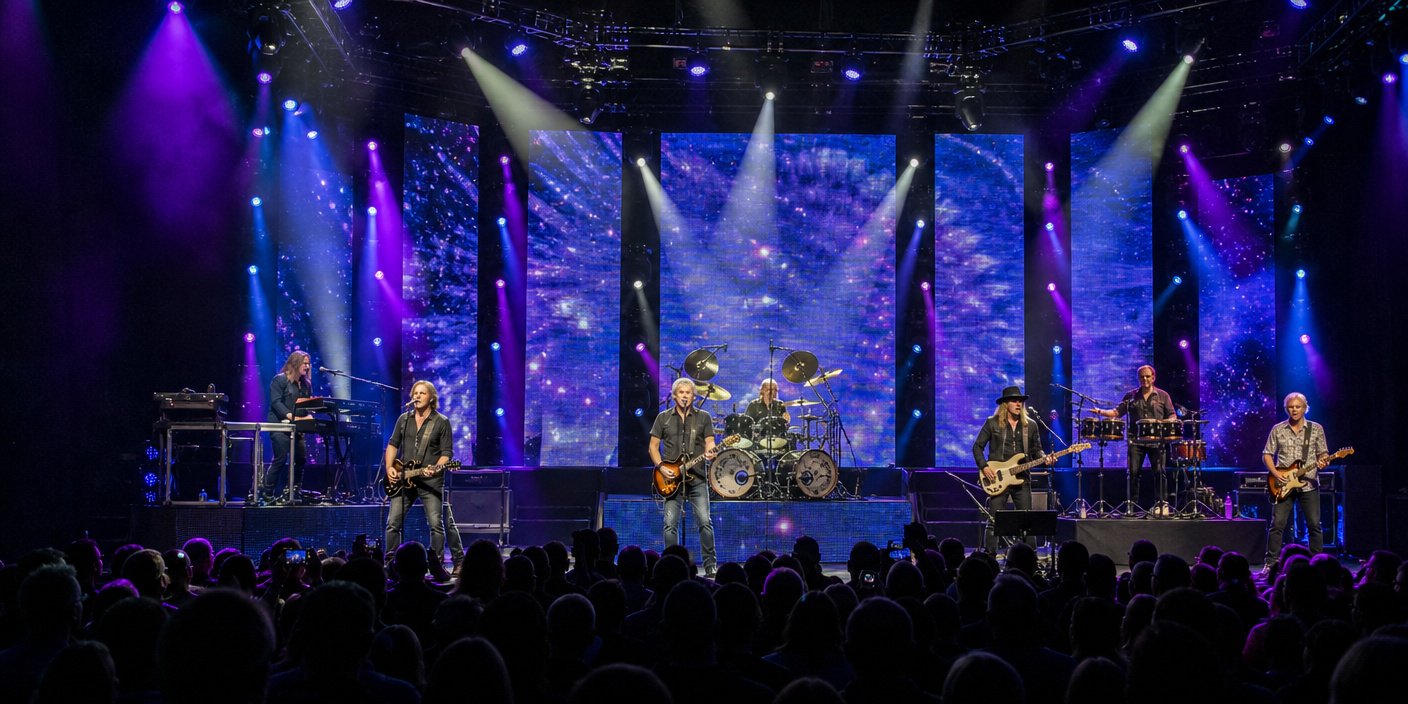
At the center of this current activity is the Hard Rock Live venue. On August 20, the venue hosted The Doobie Brothers, an event that served as the definitive anchor for the week’s schedule. This performance was not only a draw for local music enthusiasts but also a significant case study in how major venues sustain momentum during the transition between the peak summer tourist season and the upcoming fall lineup. The Hard Rock’s ability to secure legendary acts ensures that the region remains competitive with other major entertainment hubs like New York, Los Angeles, and Las Vegas.
Venue Dynamics and Urban Geography
The geography of Miami’s concert scene is divided between the sprawling destination venues in Hollywood—such as the Seminole Hard Rock complex—and the more compact, high-density environments of downtown Miami and the Miami Dade Arena area. This duality offers consumers different experiences: the resort-integrated model versus the urban, high-intensity model.
For the late-August period, the contrast is stark. The resort model offers a “one-stop” experience where dining, gaming, and hospitality are inextricably linked to the music performance. Conversely, the downtown scene, often featuring acts at the Kaseya Center, relies on the broader metropolitan infrastructure, including high-end culinary tourism and late-night nightlife, to complement the concert experience. Both models are seeing steady attendance figures, indicating that consumer demand remains robust despite fluctuating economic indicators.
Technological Shifts in Concert Attendance
The mechanics of attending these shows have evolved significantly. The industry reliance on Live Nation and Ticketmaster ecosystems has standardized the “digital pass” method, removing physical tickets from the equation almost entirely. This transition has altered how venues manage crowd flow. By utilizing dynamic QR-based entry and pre-scheduled parking, venues like the Hard Rock Live have managed to reduce ingress times by an estimated 15-20% compared to pre-digital standards. This technological integration is crucial for maintaining the throughput required to host back-to-back high-capacity events in a short window.
Economic Impact and Secondary Markets
The concert economy in Miami operates as an essential economic driver. A singular high-profile show at a major venue can inject millions into the local economy when accounting for peripheral spending. This includes the hospitality sector, ride-sharing apps, and local retail.
Industry analysts often look at the August concert calendar as a bellwether for the upcoming Q4 event season. If the late-August lineup shows strong ticket sell-through rates—which, for current Miami events, appears to be the case—it signals high consumer confidence heading into the autumn months. The secondary ticket market for these August shows has remained stable, suggesting that while demand is high, it is not currently suffering from the unsustainable speculative pricing seen during the peak inflation periods of the last two years.
Future Outlook: Preparing for the Fall
Looking ahead, the momentum established by the August 20 shows and the subsequent late-month performances sets the stage for a busy autumn. Venues are already beginning to pivot their marketing strategies toward the end-of-year holiday concert series. This involves securing touring dates that capitalize on the cooler weather, which historically increases the “walk-up” crowd factor for outdoor or semi-outdoor venue spaces.
For the savvy concert-goer, the next few weeks represent a transition period. As the calendar flips to September, the diversity of acts—ranging from legacy rock to pop and Latin fusion—will likely expand, as Miami continues to cement its reputation as a premiere destination on the global tour circuit.
FAQ: People Also Ask
Q: How do I best prepare for arrival at a major Miami venue like Hard Rock Live?
A: It is highly recommended to purchase parking passes in advance through the venue’s official portal or approved third-party platforms. Digital tickets should be saved to your mobile wallet (Apple Wallet or Google Pay) prior to arrival, as cellular reception can become congested near high-capacity venues.
Q: Are there age restrictions for late-August concert events?
A: Generally, most concerts at major venues like the Hard Rock Live are all-ages; however, specific events, particularly those with late start times or those featuring certain performers, may enforce 18+ or 21+ policies. Always check the individual event page on the venue’s official website before purchasing.
Q: Why does the concert scene in Miami feel so much busier in August?
A: August often serves as a “touring sweet spot” before the massive fall migration of international tours. Promoters often utilize this time to capture domestic audiences who are looking for destination experiences before the school year begins or during the final weeks of summer travel.
Q: How can I verify if a concert is sold out?
A: Always verify ticket availability through the venue’s direct box office or the primary ticketing partner (e.g., Ticketmaster). Avoid purchasing from unverified third-party social media sellers, as unauthorized digital ticket transfers are a common source of fraudulent activity.