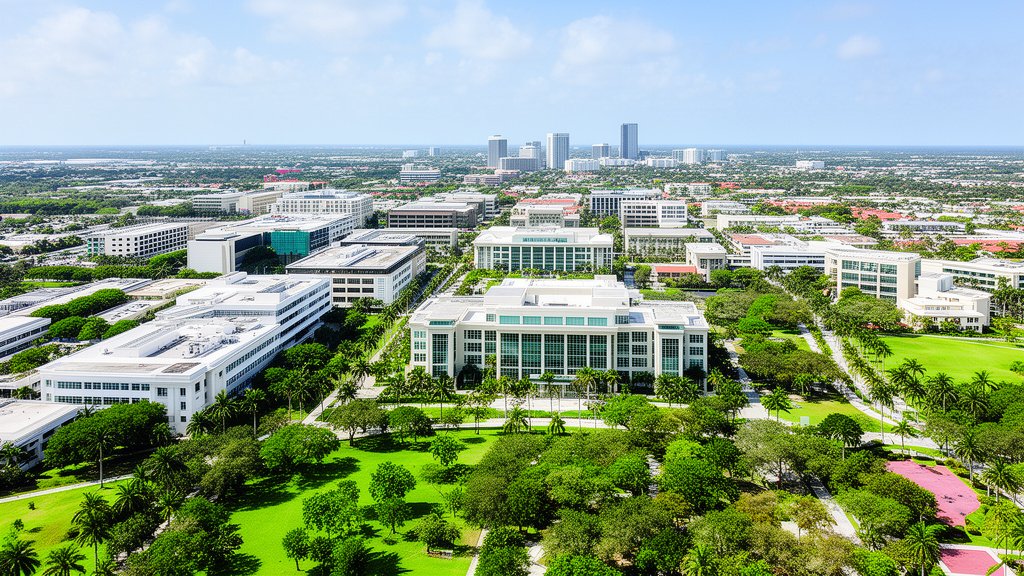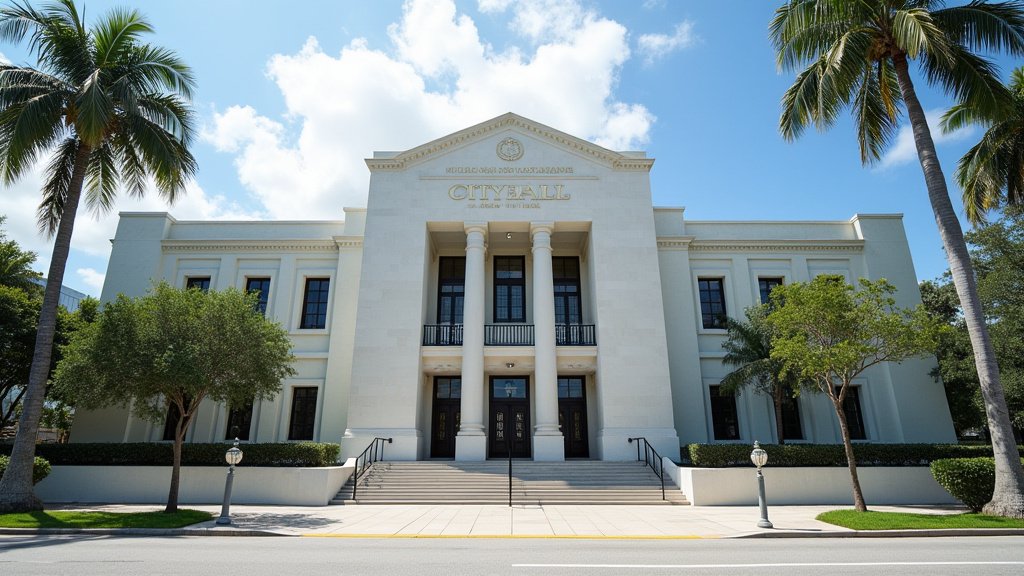
Miami has transformed from a sun-drenched retiree haven into a global metropolis, attracting a new wave of residents and businesses. This rapid evolution, however, has outpaced the city’s governmental infrastructure, creating a critical need for modernization and adaptation to meet the demands of a burgeoning, dynamic urban center.
Key Highlights:
- Miami’s demographic and economic landscape has shifted dramatically, mirroring a global city.
- The city’s governmental structures are struggling to keep pace with development and resident needs.
- Modernization of city services, digital infrastructure, and responsive governance is urgently required.
- Failure to adapt risks hindering future growth and diminishing the quality of life for residents.
The Evolving Landscape of Miami
Miami’s narrative has undergone a profound transformation over the past few decades. Once primarily recognized for its beaches, vibrant nightlife, and appeal to retirees, the city has ascended to become a significant international hub for finance, technology, and culture. This metamorphosis is evidenced by a surging population, a robust influx of businesses, and a diverse, multilingual populace that reflects a truly global city. Venture capital investment has soared, drawing entrepreneurs and established companies alike, drawn by a favorable tax environment and a burgeoning talent pool. The arts and culture scene has also matured, with world-class museums, galleries, and performance venues now dotting the cityscape, attracting a sophisticated urbanite demographic. This influx of new residents and investment has fundamentally altered Miami’s identity, moving it beyond its traditional image to one of innovation, opportunity, and global connectivity.
Infrastructure Lag
Despite its outward appearance of modernity and progress, Miami’s governmental and administrative systems have largely remained static. The city’s infrastructure, both digital and physical, often lags behind the pace of its development. Bureaucratic processes can be slow and cumbersome, ill-suited to the needs of a fast-paced, modern economy. Citizen services, from permitting to public transit, often reflect outdated operational models that do not align with the expectations of a 21st-century urban populace. This disconnect creates friction, hindering seamless integration for new residents and businesses, and potentially stifling the very growth that the city has worked so hard to achieve. The challenge is not merely one of modernization but of fundamentally reimagining how a city government can operate in a hyper-connected, rapidly evolving environment.
The Urgency for Digital Transformation
At the heart of this governmental lag is a critical need for digital transformation. Many city departments still rely on legacy systems and paper-based workflows, which are inefficient and prone to error. Embracing cloud computing, data analytics, and modern digital platforms is no longer a luxury but a necessity for effective governance. This includes developing user-friendly online portals for accessing services, implementing data-driven decision-making for resource allocation and urban planning, and enhancing cybersecurity to protect sensitive citizen information. A robust digital infrastructure can streamline operations, improve transparency, and foster greater engagement between the city government and its residents. The adoption of smart city technologies, such as intelligent traffic management systems and integrated public safety networks, could also significantly enhance the quality of urban life.
Rethinking Governance and Responsiveness
Beyond technology, there’s a pressing need to rethink Miami’s governance models to foster greater responsiveness and adaptability. This involves reviewing and reforming existing policies and regulations that may no longer serve the city’s current needs or future aspirations. It also entails fostering a culture of innovation within the civil service, encouraging creative problem-solving, and empowering city employees to implement change. Citizen engagement must move beyond traditional town halls to more dynamic, accessible platforms that allow for continuous feedback and co-creation of solutions. This could include participatory budgeting initiatives, open data platforms, and digital forums for policy discussion. Ultimately, the goal is to create a government that is not just a service provider but a proactive partner in the city’s ongoing development.
The Economic Implications of Stagnation
The economic consequences of a government failing to keep pace are significant. While Miami’s economic engine is currently strong, continued inefficiency and a lack of adaptability can deter future investment, drive away skilled talent, and ultimately lead to economic stagnation. Businesses thrive in environments with predictable, efficient, and forward-thinking governance. If Miami’s government cannot provide this, companies may seek opportunities elsewhere, despite the city’s other advantages. Furthermore, an inability to effectively manage growth can lead to increased costs for infrastructure, public services, and social programs down the line, placing a greater burden on taxpayers. Ensuring that government operations are streamlined and effective is thus crucial for sustaining Miami’s economic vitality and competitiveness on a global scale.
FAQ: People Also Ask
What are the main drivers of Miami’s recent growth?
Miami’s recent growth is driven by a combination of factors including its attractive tax policies, a burgeoning tech and finance sector, a vibrant cultural scene, and its strategic location as an international gateway. This has attracted significant investment and a diverse population of professionals, entrepreneurs, and creatives.
How is Miami’s government attempting to modernize?
While progress may seem slow, efforts are underway to modernize Miami’s government. These include initiatives to improve digital service delivery, streamline permitting processes, and invest in updated infrastructure. The city is also exploring smart city technologies and seeking to enhance citizen engagement through various platforms.
What are the biggest challenges facing Miami’s government?
The primary challenges include the sheer pace of the city’s growth, which strains existing resources and infrastructure, and the need to overcome bureaucratic inertia. Adapting legacy systems, fostering a culture of innovation among civil servants, and ensuring equitable development across all communities are also significant hurdles.
Why is it important for Miami’s government to adapt?
Adaptation is crucial for Miami to sustain its economic momentum, maintain its appeal to new residents and businesses, and ensure a high quality of life for all its citizens. A government that keeps pace with development can better manage growth, provide efficient services, and foster a more resilient and prosperous urban environment.
What is the role of technology in Miami’s future governance?
Technology is seen as a critical enabler for future governance in Miami. It is expected to drive efficiency through digital platforms, improve decision-making via data analytics, enhance transparency through open data initiatives, and foster greater citizen participation through online engagement tools.