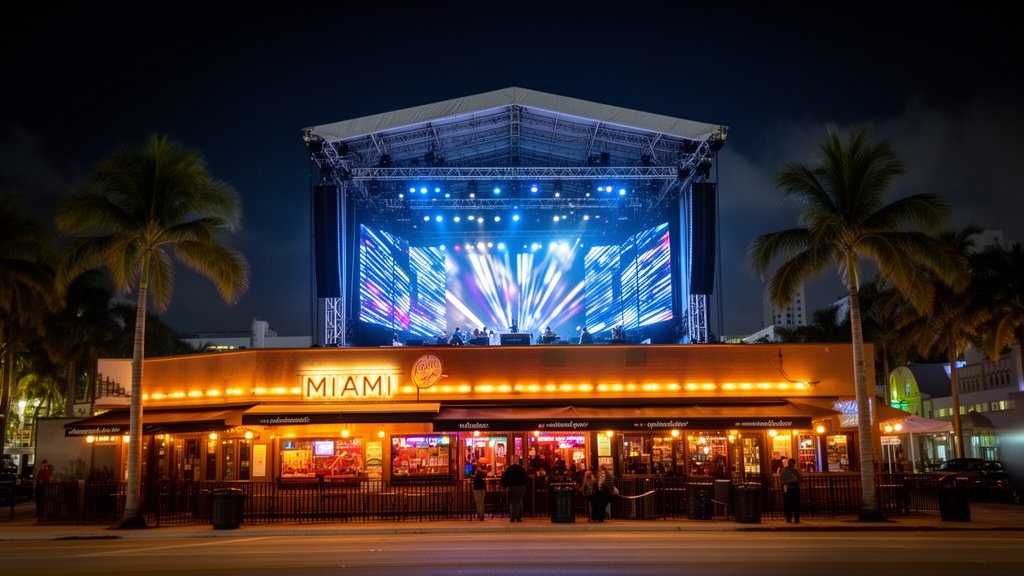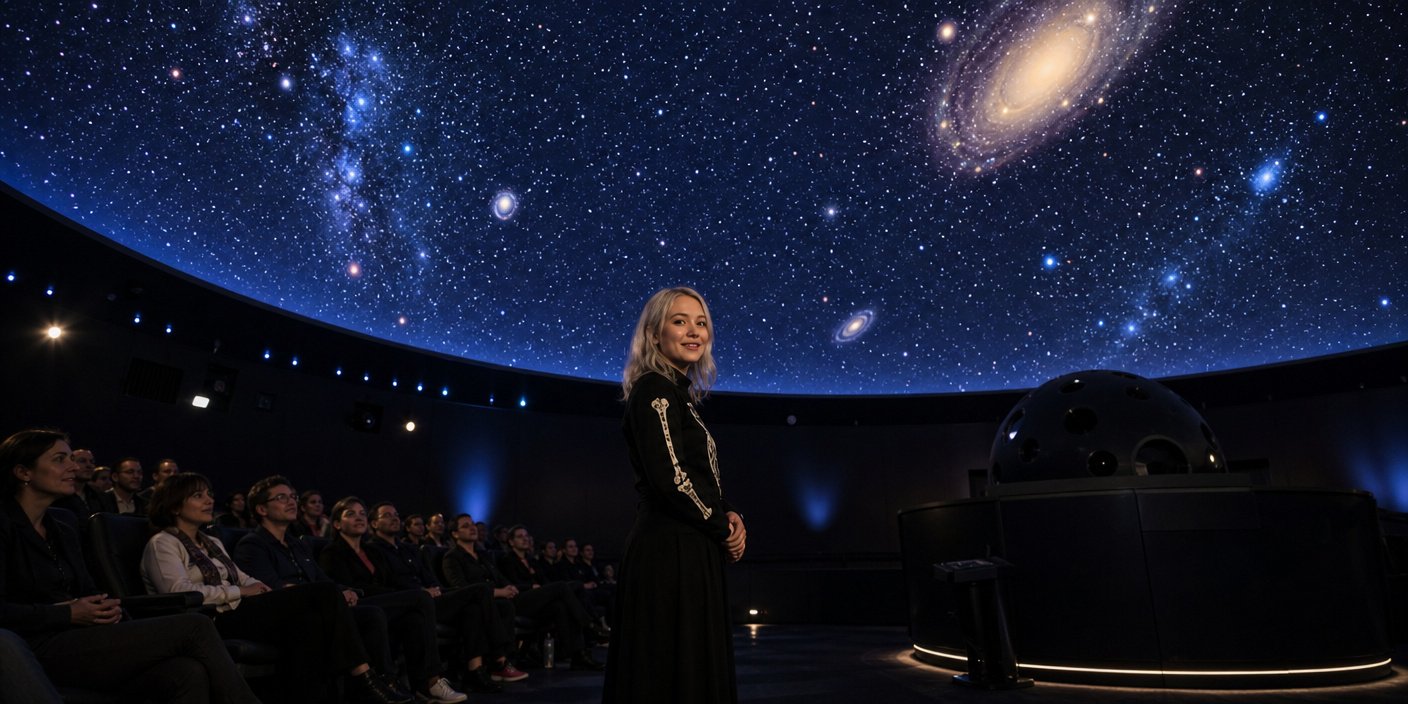
In a bold departure from traditional album rollouts, Grammy-winning artist Phoebe Bridgers has announced a series of hyper-exclusive, phone-free listening parties for her upcoming album, ‘Lost Weekend.’ These immersive events will take place inside high-tech planetariums across the globe, offering fans an unprecedented way to experience the record. Among the select venues is the Phillip and Patricia Frost Museum of Science in Miami, where the album will be played on August 14, 2026. Due to overwhelming demand, organizers have confirmed that a second show has been added to the Miami schedule to accommodate the surge of ticket inquiries.
Key Highlights
- Exclusive Experience: Attendees will be banned from using phones, ensuring a completely focused, distraction-free auditory environment.
- Miami Landmark: The 67-foot dome at the Phillip and Patricia Frost Museum of Science will host the events on August 14, 2026.
- High Demand: Due to rapid ticket interest, a second show has been added to the Miami itinerary.
- Global Scope: While Miami is a flagship stop, the tour spans various international planetarium locations to match the album’s thematic scope.
A New Era of Immersive Album Releases
The modern album rollout has typically centered on digital saturation: viral TikTok clips, aggressive Spotify playlisting, and real-time social media reactions. Phoebe Bridgers, however, is zigging where the industry zags. By partnering with the Phillip and Patricia Frost Museum of Science and other international planetariums, Bridgers is shifting the focus from ‘content’ to ‘communion.’
The Acoustics of the Dome
Planetariums are designed for precision, not just visually, but acoustically. The architecture of a 67-foot dome—like the one found at the Frost Museum in Miami—offers a specific acoustic topography that is vastly different from a standard concert hall or a home theater. The curved walls of the dome serve to wrap the audience in sound, minimizing the erratic reflections found in rectangular rooms. For an artist known for the intricate layering of her vocals and instrumentation, this environment acts as a massive amplifier for the subtle emotional textures of ‘Lost Weekend.’ The listening sessions promise a multi-sensory experience where the visual projection of celestial bodies will sync with the cadence of the record, creating a synesthetic connection between the music and the cosmos.
The Psychology of the Phone-Free Room
Perhaps the most significant aspect of this tour is the total ban on smartphones. This policy, increasingly popular in high-end comedy and theater, represents a critical shift in how we consume music. When we listen to an album for the first time in a crowd, the instinct to document—to prove ‘I was there’ for social media validation—often creates a fragmented experience. By requiring fans to store their devices, Bridgers is forcing a return to active, communal listening. The goal is simple: to recreate the intimacy of the bedroom listening experience on a monumental scale. In the darkness of the dome, without the glow of screens, the focus remains entirely on the artist’s work, fostering a deeper, singular connection between the creator and the listener.
Strategic Scarcity and Fan Loyalty
From a marketing perspective, the choice of venues is deliberate. Planetariums, unlike stadiums, have limited seating capacities. By choosing these intimate, science-focused spaces, Bridgers effectively controls the narrative of the release. It moves the conversation away from streaming numbers—the typical metric of success—and toward the ‘event’ status of the music. It rewards the most dedicated fans who are willing to participate in a structured environment. The addition of a second show in Miami following high demand is a testament to the efficacy of this strategy. It signals to fans that the music is not just ‘content’ to be consumed in the background of their day, but an art piece that requires time, travel, and presence to fully understand.
The Future of Live Music Consumption
As the industry struggles to find new ways to cut through the digital noise, Bridgers’ ‘Lost Weekend’ planetarium tour may provide a blueprint for future album cycles. We are seeing a distinct trend toward ‘limited-access’ experiences. Whether through secret pop-up shows, private listening clubs, or these dome experiences, artists are learning that creating ‘lore’ is more valuable than creating reach. This tour is not just an opportunity to hear a new album; it is a cultural moment that will be defined by the absence of digital proof. It is, in essence, a challenge to the audience: Can you pay attention for 45 minutes without checking your phone? If the response in Miami is any indication, the answer is a resounding ‘yes.’
FAQ: People Also Ask
Q: How will the phone-free policy be enforced?
A: While specific protocols for the ‘Lost Weekend’ tour have not been fully detailed, standard industry practice for phone-free events involves the use of locking pouches (such as Yondr) that keep devices secure but inaccessible for the duration of the event.
Q: Why was the Phillip and Patricia Frost Museum of Science selected?
A: The museum is home to a world-class 67-foot planetarium dome. Its state-of-the-art projection technology and acoustic design make it an ideal venue for the immersive, audio-visual experience required for ‘Lost Weekend.’
Q: Are tickets still available for the Miami listening parties?
A: Tickets for both shows on August 14, 2026, are in high demand. Fans are encouraged to check official ticket portals immediately, as the addition of the second show was prompted by the rapid sell-out of the initial event.
Q: Is ‘Lost Weekend’ the official title of the album?
A: Yes, ‘Lost Weekend’ is the confirmed title for Phoebe Bridgers’ upcoming project.