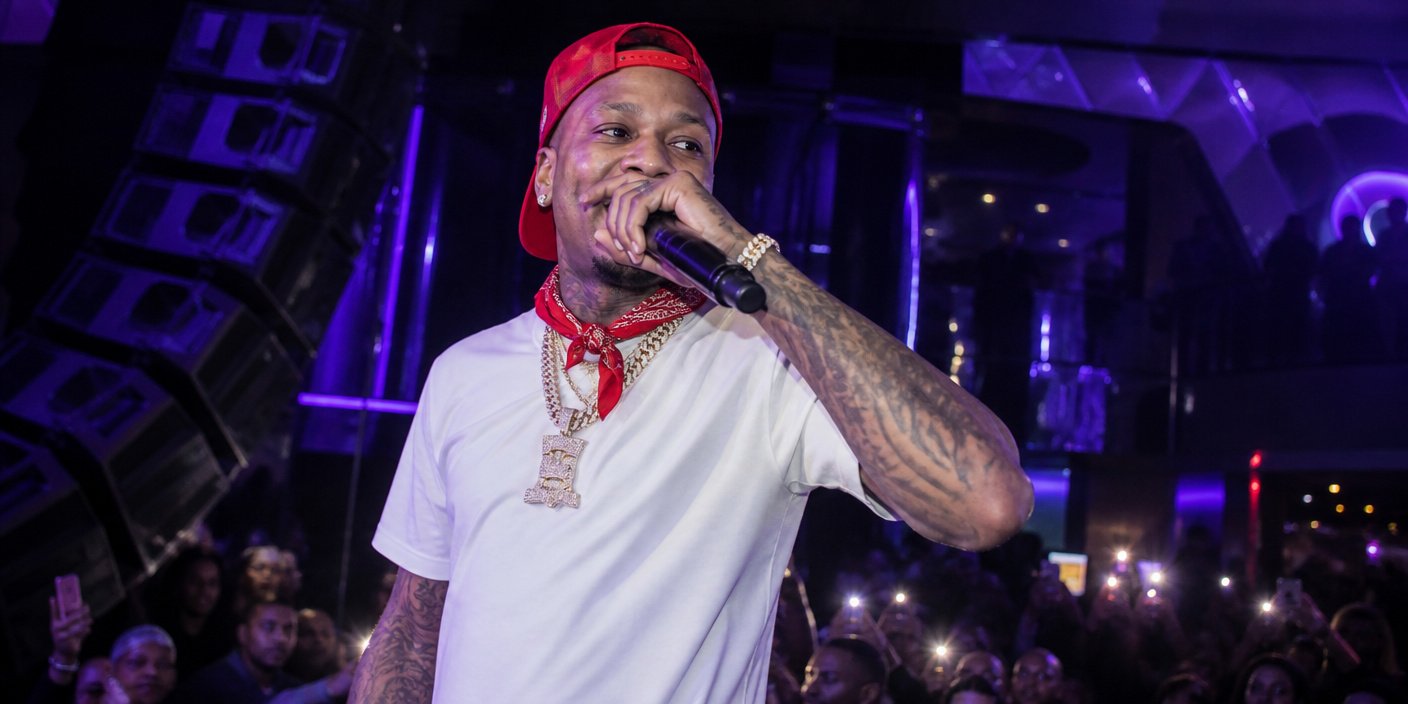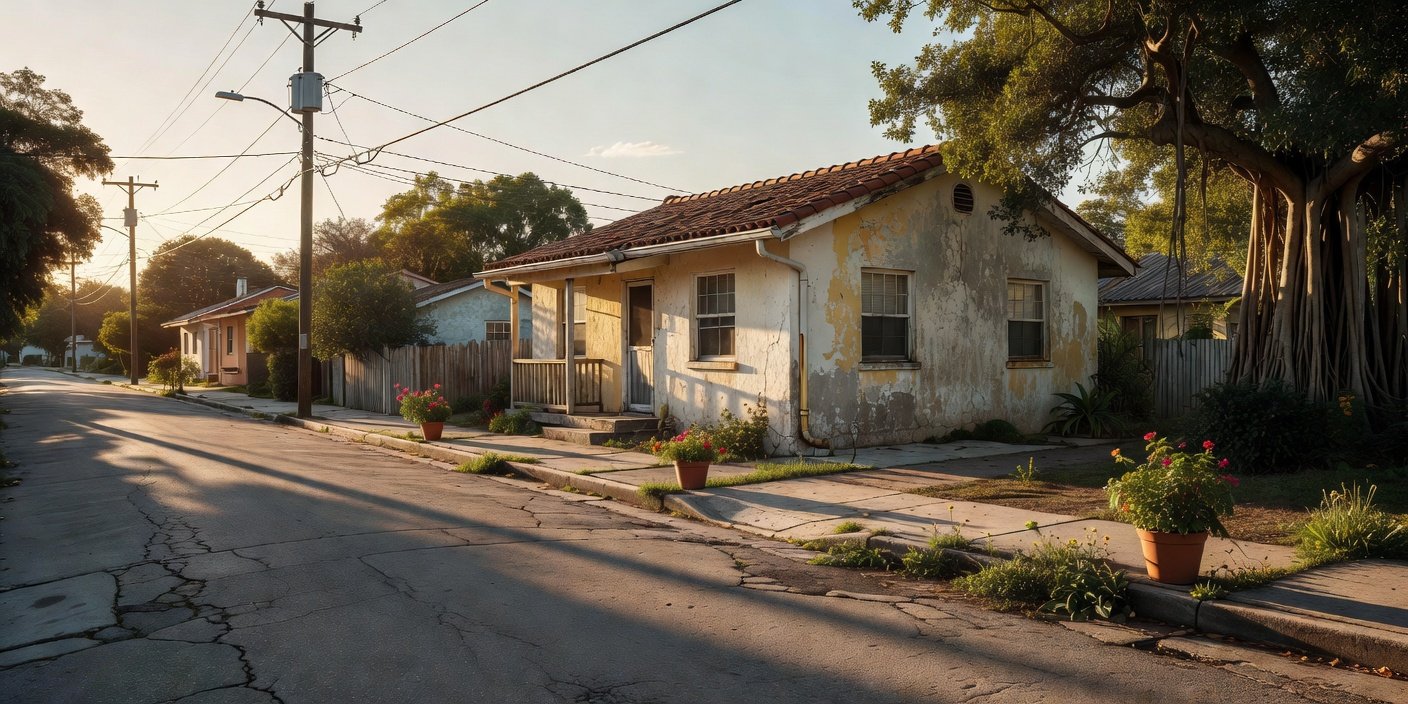
Global superstar Pitbull’s childhood home in Miami’s Liberty City neighborhood is slated for demolition, potentially making way for his music headquarters. The property, located at 1530 NW 32nd Terrace, has been a focal point of discussion as Mr. Worldwide, born Armando Christian Pérez, has expressed interest in transforming the area.
Key Highlights:
- Pitbull’s former Miami residence is at risk of demolition.
- The property is being considered for development into a music headquarters.
- The potential demolition highlights the rapper’s connection to his Miami roots.
- Local authorities and developers are assessing the future of the site.
From Humble Beginnings to Music Mogul
Armando Christian Pérez, known globally as Pitbull or Mr. Worldwide, rose from humble beginnings in Miami to become a Grammy-winning artist, entrepreneur, and philanthropist. His journey is deeply intertwined with the vibrant streets of Liberty City, where his childhood home stands. The house at 1530 NW 32nd Terrace has long been a symbol of his roots, representing the early chapters of a life that would eventually lead to international fame.
The Vision for a Music Hub
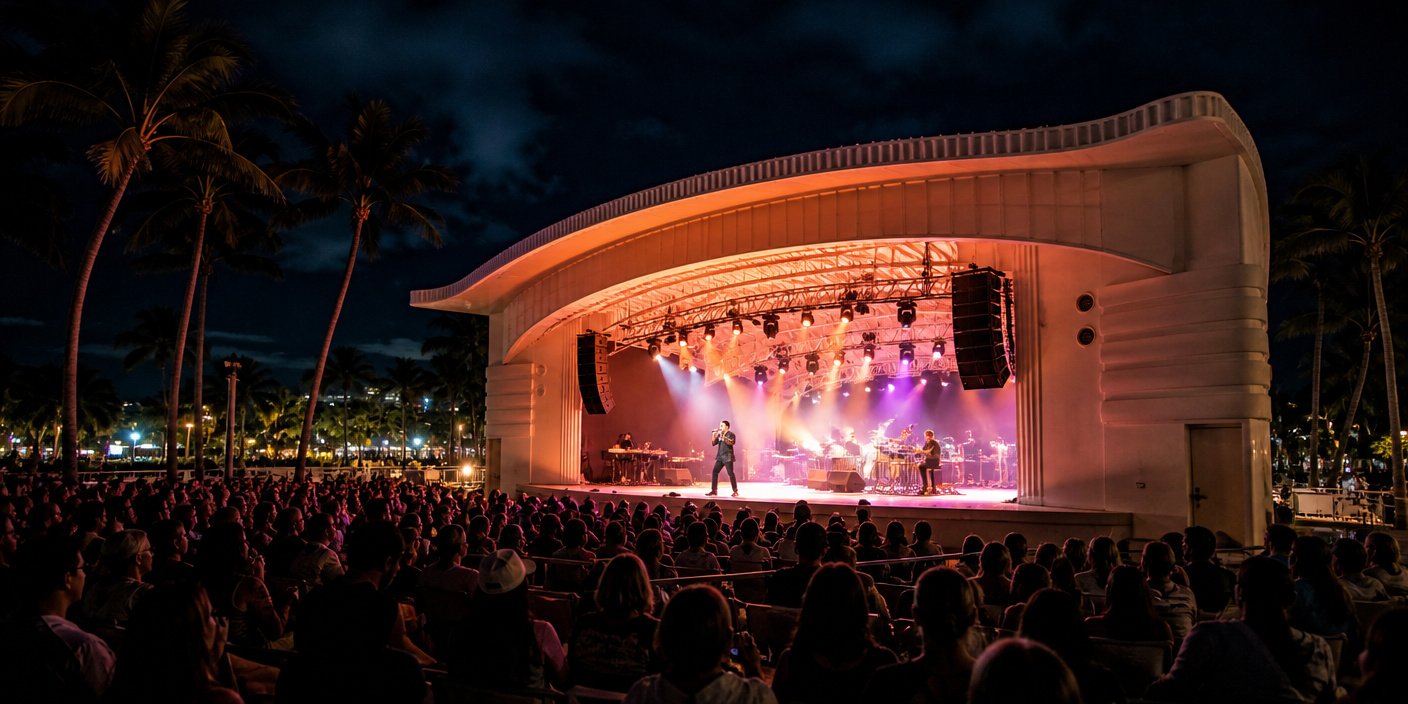
Recent reports indicate that Pitbull, or entities associated with him, are considering the demolition of the modest house to pave the way for a music-related development. While the exact nature of this project remains under wraps, speculation points towards a music headquarters, a space that could house recording studios, offices, and creative facilities. This vision aligns with Pitbull’s expansive business portfolio, which includes a diverse range of ventures beyond music, such as restaurants, vodka brands, and educational initiatives.
The potential transformation of his childhood home into a professional music hub signifies a full-circle moment for the artist. It represents not only a physical manifestation of his success but also a commitment to reinvesting in the community that shaped him. The idea of establishing a creative center in his old neighborhood could inspire aspiring artists and foster a new wave of talent emerging from Miami.
Community Impact and Historical Significance
The property’s potential demolition has sparked conversations about preserving historical landmarks and the evolving landscape of urban development. While the house itself may not be a designated historical monument, it holds significant sentimental value for Pitbull and his fans, symbolizing his rags-to-riches narrative. The debate often centers on balancing the desire for progress and economic development with the preservation of cultural heritage.
Liberty City, a historically significant neighborhood in Miami, has been a crucible for various cultural movements and has a rich artistic legacy. The potential development by Pitbull could bring new attention and economic opportunities to the area, but it also raises questions about gentrification and the displacement of long-term residents. Ensuring that any development benefits the existing community and respects its history will be crucial.
The Process of Demolition and Development
Before any demolition can occur, a series of permits and approvals would be necessary. Local zoning laws, building codes, and environmental assessments would need to be considered. The process often involves community engagement and public hearings, especially for properties in established residential areas.
The future of 1530 NW 32nd Terrace hinges on these bureaucratic processes and the final decisions made by Pitbull’s team and the relevant city authorities. Whether the house is preserved, repurposed, or demolished, its connection to one of Miami’s most famous sons ensures its place in the city’s cultural narrative.
FAQ: People Also Ask
What is Pitbull’s connection to Liberty City?
Pitbull, born Armando Christian Pérez, grew up in the Liberty City neighborhood of Miami, Florida. This area is considered his childhood home and a significant part of his upbringing, which he frequently references in his music and public life.
What are Pitbull’s business ventures?
Pitbull has a diverse business empire that extends beyond music. His ventures include ownership stakes in restaurants, a vodka brand (Voli), a record label (Mr. 305 Records), and involvement in educational initiatives like the Sports Leadership and Management (SLAM!) charter schools.
Is Pitbull’s childhood home a historical landmark?
As of current information, Pitbull’s childhood home at 1530 NW 32nd Terrace in Miami is not officially designated as a historical landmark. However, it holds significant cultural and personal importance due to its association with the artist.
What are the potential impacts of developing the site into a music headquarters?
Developing the site into a music headquarters could bring economic benefits to Liberty City through job creation and increased business activity. It could also serve as a creative hub, fostering local talent and contributing to Miami’s vibrant music scene. However, concerns may arise regarding gentrification and the preservation of the neighborhood’s character.
What is the current status of the property?
The property is reportedly being considered for demolition to make way for a potential music headquarters associated with Pitbull. The final decision and future plans are subject to various regulatory approvals and business decisions.