Miami-Dade County Poised for $1.1 Million Annual Revenue from Seaquarium Site Lease
Miami-Dade County is moving forward with a significant deal regarding the **Seaquarium Site Lease**. A new 99-year lease for the Miami Seaquarium site is on the horizon, and the county is set to vote on this agreement on December 2nd. Prominent developer David Martin of Terra Group is the proposed lessee for this **Seaquarium Site Lease**. This landmark news is trending across the city. Under the proposed terms, the county will collect substantial annual revenue from the **Seaquarium Site Lease**. This includes both rent and a share of the site’s gross revenues. The **Terra Group deal** signals a new chapter for the Virginia Key property, marking a major shift for this iconic Miami location. The intricacies of the **Seaquarium Site Lease** are central to this transformative project.
A New Era for Virginia Key and the Seaquarium Site Lease
The Miami Seaquarium, a fixture since the 1950s, has closed its gates, with its final day of operation on October 12, 2025, following 70 years of history. The county initiated eviction proceedings due to animal welfare concerns. The Dolphin Company, the park’s current operator, faced bankruptcy, leading to a search for a new entity to manage the site. Several developers expressed interest, with Integra, a marina operator, submitting a proposal. However, David Martin and Terra Group emerged as the leading contender. The county’s support for the **Seaquarium Site Lease** is crucial for this transition. Mayor Daniella Levine Cava and Commissioner Raquel Regalado have hailed the agreement, viewing it as a major step forward for Miami-Dade. This news about the **Seaquarium Site Lease** is generating significant buzz.
Financial Agreement Details for the Seaquarium Site Lease
The core of the agreement involves a long-term lease, with Miami-Dade County leasing the 38-acre site for an extensive 99 years. The county anticipates $1.1 million in annual revenue from the **Seaquarium Site Lease**, with some reports projecting this figure could rise. Projections suggest **Miami Dade County revenue** may exceed $3 million by 2030, depending on the success of the new development. Additionally, the county will receive a percentage of gross revenues, ensuring ongoing financial benefit. David Martin’s Terra Group plans significant investment, reportedly spending between $75 million and $100 million to modernize the property. The **Seaquarium Site Lease** purchase itself cost Terra Group approximately $22.5 million. This financial arrangement is key to the county’s plan to revitalize the waterfront and is seen as a durable economic engine, a critical development for Miami. The **aquarium lease agreement** is at the heart of these financial projections for the **Seaquarium Site Lease**.
Developer’s Vision for the Virginia Key Redevelopment and Seaquarium Site Lease
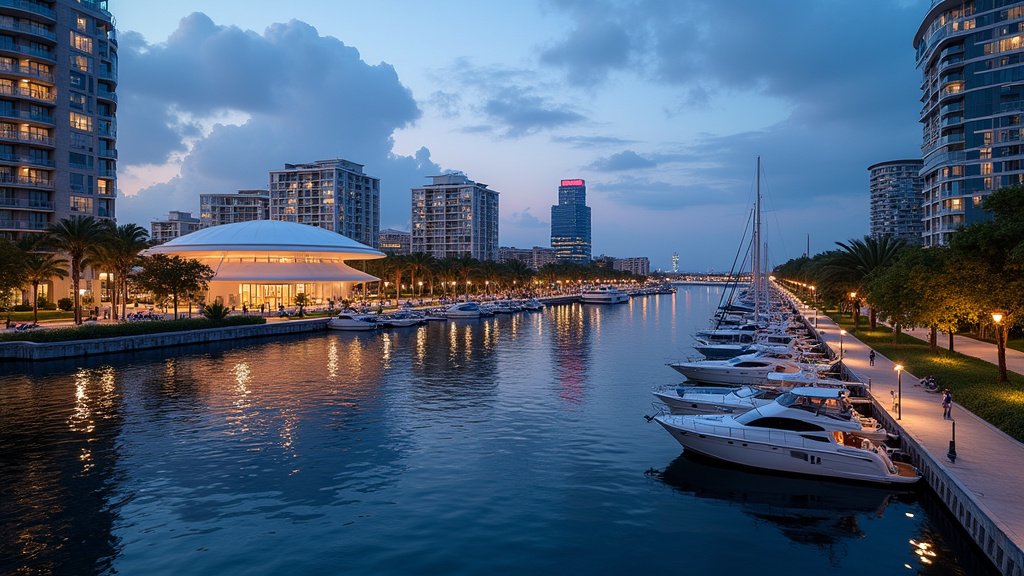
David Martin plans a dramatic transformation for the **Virginia Key redevelopment**. The Seaquarium property will become a vibrant destination under the **Seaquarium Site Lease**. The **new aquarium plans** include a new, accredited aquarium, which importantly will not feature marine mammals, addressing past animal welfare controversies. The project also features extensive **marina facilities**, offering both wet slips and dry storage for up to 350 vessels. A “Fisherman’s Village” is planned, housing a collection of restaurants and shops. A public baywalk will enhance shoreline access, aiming to open the bayfront to residents and visitors. Furthermore, a conservation and education center is part of the vision, focusing on Biscayne Bay’s ecosystem. Historic elements will be preserved, with the iconic Buckminster Fuller dome being repurposed as an event space. This holistic approach respects the site’s legacy and embraces future needs under the **Seaquarium Site Lease**.
Community and Environmental Impact of the Seaquarium Site Lease
The redevelopment emphasizes public access, as the land is county-owned parkland. Therefore, development must serve community needs, with private residential or hotel development limited. The focus is on public-serving programming, making it a family-friendly destination. Environmental resiliency is also a priority, with the project aiming to preserve natural resources and prioritize the health of Biscayne Bay. This focus aligns with broader county goals. The transformation is expected to create hundreds of jobs and generate significant economic activity, a key piece of Miami news. The community’s input will be vital, and the county commission vote on the **Seaquarium Site Lease** is the next major step. This is a trending topic in local news, with the **Miami Dade County revenue** from the lease being a significant talking point. The **Miami Seaquarium lease** negotiations have paved the way for this future.
Moving Past Controversy with the New Aquarium Plans and Seaquarium Site Lease
The Miami Seaquarium’s history is marked by controversy, with frequent animal welfare violations and reports detailing inadequate care and animal deaths. These issues led to the county’s eviction efforts. The Dolphin Company’s bankruptcy complicated matters, and the county termination of the lease was a critical turning point. Now, a new plan is in motion under the **Seaquarium Site Lease**. David Martin’s vision includes stringent animal welfare standards, and all existing animals are being relocated to accredited facilities, ensuring their care and safety. The bankruptcy court has approved the lease transfer, supporting Martin’s plan for the **Seaquarium Site Lease**. The county commission’s vote is the final approval. The project is anticipated to open around 2030. This ambitious redevelopment promises a new future, aiming to benefit the community and honor the site’s past. The **Seaquarium Site Lease** agreement, including the significant **Miami Dade County revenue**, is a crucial element of this **historic site transformation**. The **new aquarium plans** are central to this revitalization, underscoring the importance of the **Seaquarium Site Lease**.