Laurah Merisier’s journey to founding the Miami Sound Choir and Miami Sound Space is rooted in her own experiences and her strong belief in the transformative power of music. After graduating from the Frost School of Music, where she honed her skills in music theory and synthesis and gained leadership experience, Merisier was influenced by educators who emphasized the importance of authenticity in teaching. She was particularly moved by her former instructor, Karen, who found her spirituality and understanding of the world through music, and Professor Carlos Abril, who advocated for teachers to be present and express themselves freely. These influences shaped Merisier’s philosophy that singing is not just a performance but a practice in mindfulness, a way to connect with one’s body, and a deeply human experience.
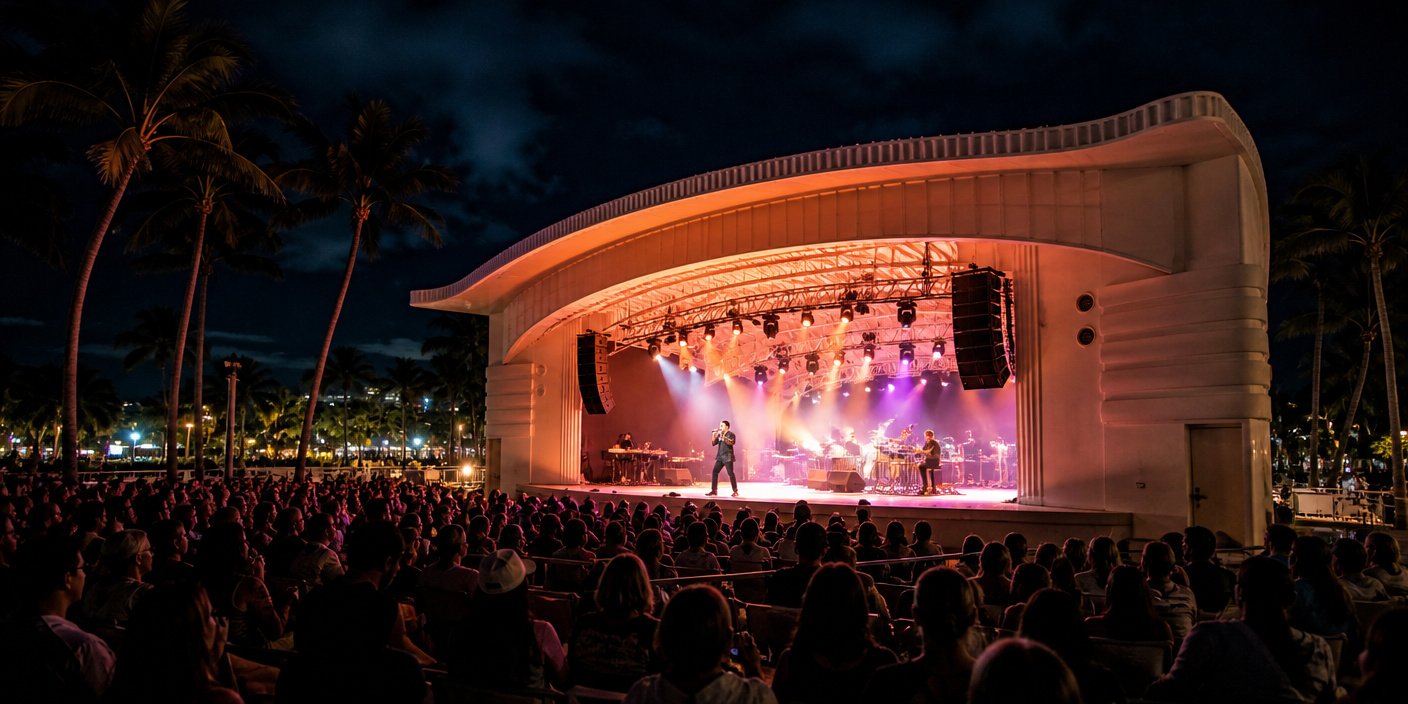
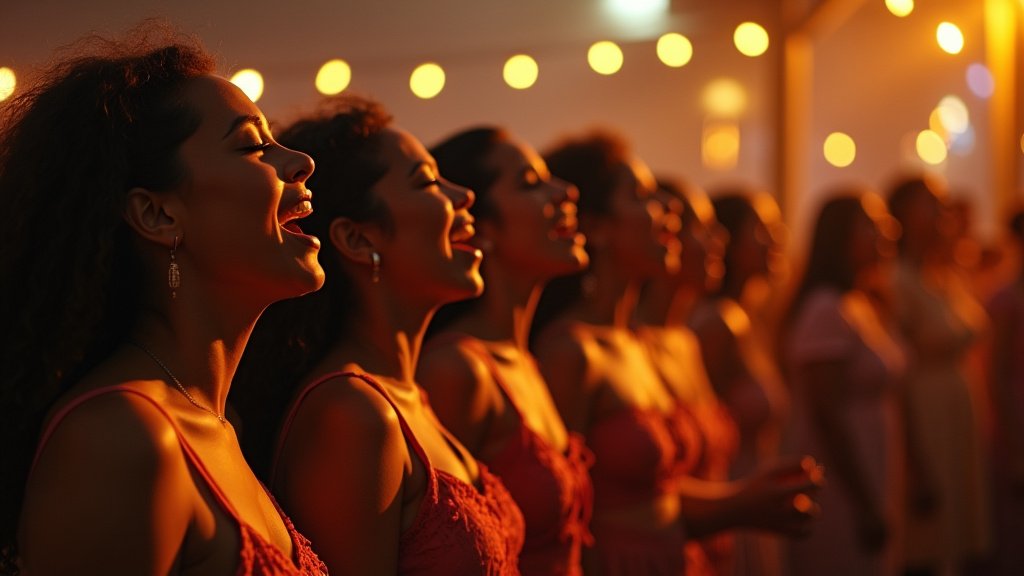
Merisier started the Miami Sound Choir at the end of 2019 with a modest group of under 40 people. The choir faced challenges, including a significant drop in membership during the pandemic, dwindling to just six online participants. However, Merisier’s perseverance led to a remarkable resurgence, with the choir now boasting over 140 members. This growth reflects the choir’s welcoming atmosphere, which attracts individuals from a wide array of ages, cultures, and backgrounds. The repertoire of the Miami Sound Choir is as diverse as its members, featuring songs that represent Miami’s rich cultural tapestry, including Cuban, Haitian, and Brazilian music, alongside gospel and protest anthems. They have also performed original music and engaged in collaborations with other arts groups.
Beyond the Miami Sound Choir, Miami Sound Space encompasses other vital programs. The Threshold Singers offer solace by singing at the bedsides of the terminally ill and their families. The Bluebirds program brings music to incarcerated men at the Everglades Correctional Institution, providing an avenue for expression and connection. The newest initiative, Lullaby & Life, is designed for parents and babies, fostering early musical engagement. This multifaceted approach highlights Merisier’s commitment to using music as a tool for healing, connection, and empowerment across various community segments.
Juraj Kojs, an associate professor of composition, describes Merisier’s work as “extraordinary,” emphasizing her “commitment, compassion, leadership, and vision.” He views Miami Sound Space and the Miami Sound Choir as a “transformative model of community music-making” that democratizes the voice and fosters openness, authenticity, and shared joy. The organization has become an integral part of Miami’s cultural landscape, creating a vibrant community where music-making is a fundamental aspect of daily life. Merisier’s core belief that “everybody sings” dismantles barriers and affirms the inherent value of each individual’s voice.
The impact of empowerment through song is evident not only in Merisier’s work but also in broader contexts. Songs have been used as powerful tools for social change and personal liberation. The song “Quiet” by MILCK, for instance, gained viral attention after a performance at the Women’s March, becoming an anthem for strength and speaking up against oppression. Similarly, artists like Selena have inspired activism and community through their music, with events like the “Selena for Sanctuary” concert raising awareness and funds for immigrant rights.
Music therapy also plays a crucial role in empowerment, offering a safe space for individuals, particularly women, to express traumas, build self-esteem, and develop assertive communication skills. Artists like Beyoncé, Lady Gaga, and Lizzo are recognized for incorporating themes of female empowerment and self-acceptance into their music, resonating with audiences and encouraging self-love. The Spotify EQUAL program further amplifies women’s voices in the music industry, aiming to address the persistent inequalities in opportunities and visibility.