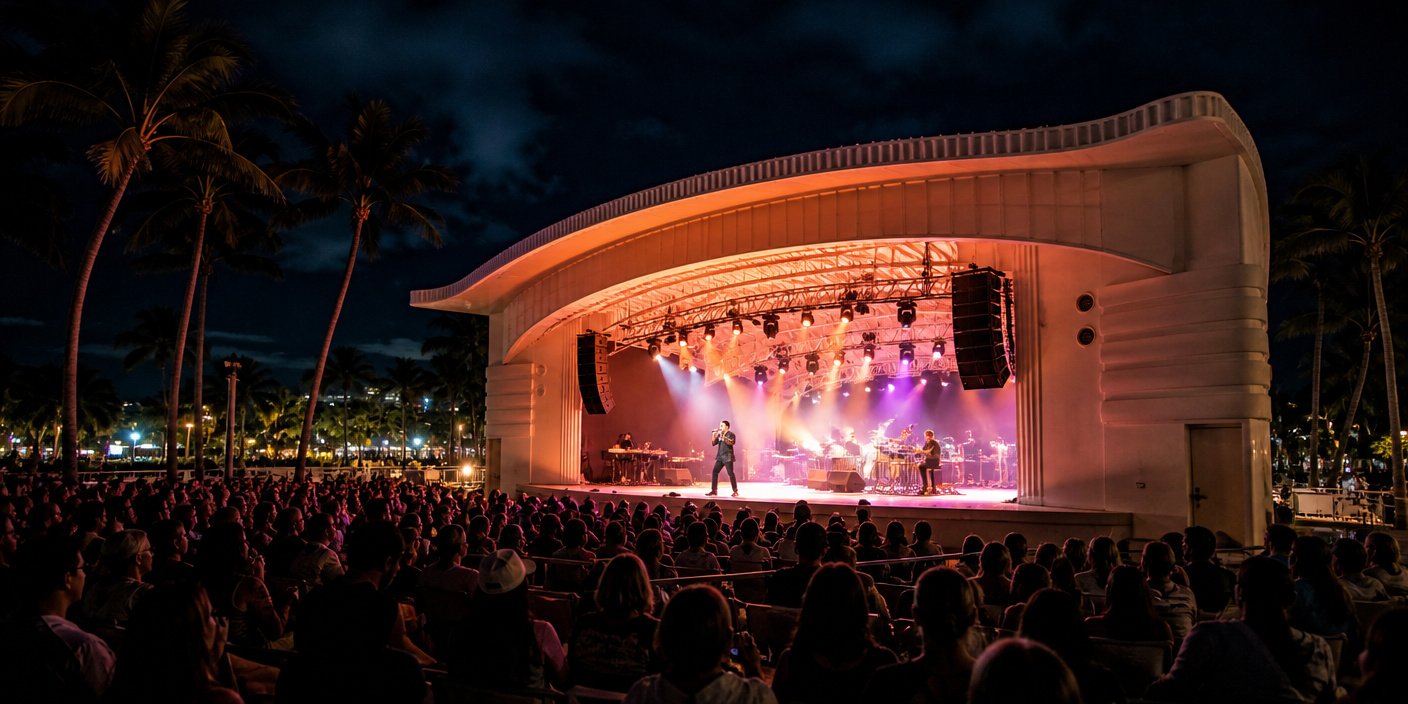
The future of the Ultra Music Festival at Miami’s iconic Bayfront Park is at the center of a heated debate, as a proposed 20-year contract extension has ignited fierce criticism from local residents. While the massive electronic music festival is slated to return to its familiar stomping grounds from March 28-30, 2025, the prospect of its long-term permanence has amplified long-standing resident grievances concerning noise, traffic, and park accessibility.
At the core of the discontent is the potential for a two-decade commitment to the festival at Bayfront Park. This proposal has galvanized a community that feels its quality of life is significantly undermined by the annual event.
The Unbearable Sound of Ultra
Noise pollution remains a paramount concern for residents living in close proximity to Bayfront Park. Many describe the festival’s booming sound systems as powerful enough to shake their homes and rattle their windows. Laura Okamura, a resident of the 50 Biscayne building, articulated a sentiment shared by many: “If these commissioners could actually hear how loud it is, I know that if they were in their own homes listening to this level of noise, they would not stand for it”. This sonic assault is not a new phenomenon; even as far back as 2019, a preliminary report documented that noise from the Ultra Music Festival caused significant stress responses in toadfish at the Miami Seaquarium. The sound from the festival stages, located directly across from numerous residential towers, carries with an intensity that disrupts the daily lives of those living along Biscayne Boulevard.
Disruption Beyond the Music
The impact of the Ultra Music Festival extends far beyond auditory disturbances. The logistical preparations for the event commence weeks in advance, transforming Bayfront Park into a construction zone. This includes the setup of massive stages, constant sound checks, and the significant influx of heavy-duty vehicles, all contributing to considerable traffic congestion and prolonged park closures. Residents find their access to the beloved public space severely limited, with large sections of the 32-acre park being fenced off during the setup and festival period. Furthermore, the festival necessitates extensive traffic diversions along Biscayne Boulevard, rerouting both northbound and southbound traffic and creating significant congestion that impacts commuters and local businesses alike. The disruption is so pervasive that some residents opt to leave town entirely during the festival week to escape the chaos.
A Democratic Deficit?
Adding fuel to the fire of resident frustration are recent developments regarding public engagement. Several planned community meetings, intended as platforms for residents to voice their concerns and negotiate mitigation strategies with city officials and festival organizers, have been abruptly canceled. The Downtown Neighbors Alliance (DNA) has voiced profound disappointment over the city’s withdrawal from these scheduled dialogues, leading many residents to feel ignored and their grievances dismissed. While District 2 Commissioner Damian Pardo had initially advocated for tabling the contract discussion to allow for greater public input, stating that residents “more than deserve that,” the subsequent cancellations have only served to heighten the sense of disenfranchisement.
The Economic Imperative vs. Livability
City officials, including Miami Mayor Francis Suarez, consistently emphasize the significant economic contributions of the Ultra Music Festival, often referring to it as a “golden goose” essential to Miami’s economy. The argument is that the festival brings substantial revenue and promotes the city as a global entertainment hub, necessitating its protection. However, this economic rationale stands in stark contrast to the lived experiences of downtown residents, who feel that their well-being and the fundamental livability of their neighborhoods are being sacrificed for financial gain. The Miami City Commission, after initially planning to discuss the contract extension on March 14th, has deferred the vote to April 23rd, a move intended to allow for more public discourse. The city has also established a resident hotline and an online survey, and a community forum is scheduled for April 2nd, but many residents feel these measures are insufficient and that a more meaningful dialogue is required before any long-term contract is finalized.
The Road Ahead
Despite the ongoing controversy and resident opposition, preparations for the 2025 Ultra Music Festival are well underway, with the event scheduled to proceed as planned from March 28th to March 30th. The outcome of the Miami City Commission’s vote on April 23rd remains critical, as it will determine whether Ultra Music Festival will continue to call Bayfront Park home for the next two decades.