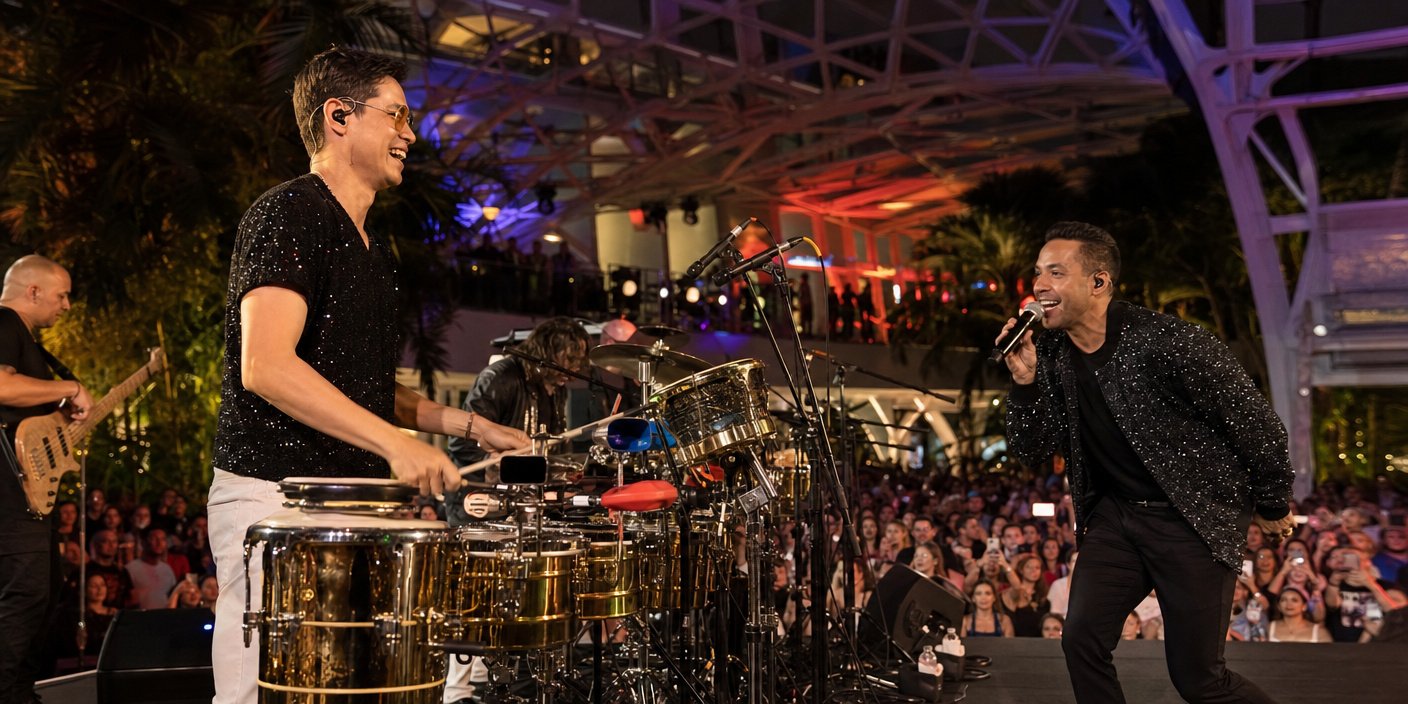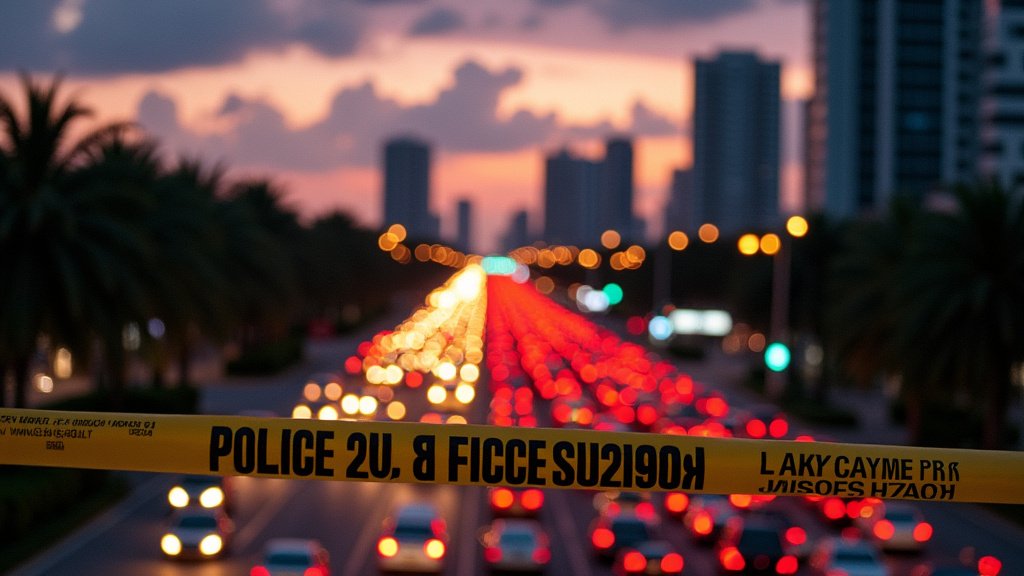
Miami Police are urging drivers to brace for significant traffic disruptions this weekend as the annual Ultra Music Festival descends upon Bayfront Park. Expect extensive road closures and heavy congestion, particularly around the downtown area, from Friday, March 22nd, through Sunday, March 24th. Commuters are strongly advised to seek alternative routes or utilize public transportation to mitigate delays.
Key Highlights:
- Major traffic diversions and road closures are in effect for Ultra Music Festival.
- Closures primarily impact the Bayfront Park area and surrounding downtown Miami.
- Festival runs from Friday, March 22nd to Sunday, March 24th.
- Public transportation is highly recommended for attendees and local commuters.
- Drivers should anticipate severe congestion and plan for significant delays.
Navigating Downtown Miami During Ultra Music Festival
The Miami Police Department has officially released a comprehensive traffic advisory in anticipation of the 2024 Ultra Music Festival. This world-renowned electronic dance music event, drawing hundreds of thousands of attendees to the heart of Miami, necessitates significant adjustments to the city’s traffic patterns. From Friday, March 22nd, through Sunday, March 24th, several key roadways surrounding Bayfront Park will be closed or have their traffic flow altered to ensure the safety of festival-goers and to manage the expected surge in vehicular and pedestrian traffic.
Essential Road Closure Information
Authorities are implementing a phased approach to closures, with many impacting downtown Miami’s core. While specific street-by-street details are available on the Miami PD website and local traffic apps, general advisories indicate that areas immediately adjacent to Bayfront Park will experience the most stringent restrictions. This includes the potential closure of Biscayne Boulevard at certain points and significant limitations on access to the immediate festival grounds. Drivers are cautioned that even streets several blocks away may experience increased congestion due to rerouting.
Public Transportation: The Recommended Alternative
To combat the inevitable traffic snarls, Miami-Dade Transit is enhancing its services. The Metromover, Metrorail, and Metrobus systems are positioned as the most efficient ways to navigate the city during the festival weekend. Attendees are encouraged to purchase their transit passes in advance to save time. Parking near the festival site will be extremely limited and expensive, further underscoring the benefits of public transit. For those coming from further afield, ride-sharing services will have designated drop-off and pick-up zones, but users should still expect potential delays in reaching these points.
Commuter Advisory and Planning
For residents and workers in downtown Miami, the Ultra Music Festival represents a significant annual challenge. The police department’s advisory is a call to action for proactive planning. Simple tasks like factoring in an extra 30-60 minutes for commutes that normally take 15 minutes are advised. Exploring remote work options or adjusting work schedules for the weekend might also be viable strategies for some. Emergency services will maintain access routes, but response times could be affected in the immediate vicinity of the festival.
Beyond the Festival: Economic and Cultural Impact
While the traffic advisory focuses on immediate logistical challenges, the Ultra Music Festival itself is a major economic driver for Miami. The influx of tourists generates substantial revenue for hotels, restaurants, and local businesses. Furthermore, the festival has cemented Miami’s reputation as a global hub for electronic music culture, attracting artists and fans from across the world. This cultural significance, however, comes with the annual logistical hurdle of managing a large-scale event in a densely populated urban environment.
Historical Context of Festival Traffic Management
Over the years, the Ultra Music Festival has grown exponentially, and so have the traffic management strategies. Early iterations of the festival required less intensive road closures. However, as its scale and popularity have increased, so has the complexity of its impact on city infrastructure. The Miami Police Department continually refines its approach, incorporating lessons learned from previous events and collaborating with city planners to develop more effective diversion and safety protocols.
FAQ: People Also Ask
What are the main dates for the Ultra Music Festival?
The Ultra Music Festival typically runs over a weekend in late March. For 2024, it is scheduled from Friday, March 22nd, to Sunday, March 24th.
Which areas in Miami will be most affected by traffic?
The areas surrounding Bayfront Park in downtown Miami will experience the most significant traffic disruptions, including road closures and heavy congestion.
What are the recommended transportation alternatives?
Miami-Dade Transit services, including the Metromover, Metrorail, and Metrobus, are highly recommended. Ride-sharing services are also available, with designated pick-up and drop-off zones.
How much extra time should commuters expect?
Commuters in the affected downtown areas should anticipate adding at least 30-60 minutes to their travel times, and potentially more, depending on the specific route and time of day.
Where can I find the most up-to-date traffic information?
Up-to-date information is usually available on the Miami Police Department’s official website, local news traffic reports, and navigation apps like Google Maps or Waze, which often provide real-time updates on closures and congestion.