As the calendar turns to May 2026, Miami has effectively transformed into the global epicenter of high-performance sport and coastal luxury. The city, known as the “Magic City,” is not merely experiencing a spike in tourism; it is witnessing a strategic consolidation of its status as a year-round cultural powerhouse. From the thunderous engines at the Miami International Autodrome to the meticulous culinary revolutions occurring in Little Havana, the city is offering a distinct duality this month: the adrenaline of the Formula 1 Miami Grand Prix and the sophisticated relaxation of the pre-summer beach season.
Key Highlights
- Formula 1 Miami Grand Prix: The Hard Rock Stadium complex hosts the pinnacle of motorsports from May 1-3, merging elite racing with a high-stakes celebrity and fan-culture ecosystem.
- The Patriotic Skies of Memorial Day: The Hyundai Air & Sea Show (May 23-24) returns to Miami Beach, offering a spectacular military-grade display of precision and heritage.
- The Culinary Renaissance: Beyond the track, local dining establishments are leaning into fusion concepts, with Wynwood and Little Havana serving as the creative anchors for the city’s gastronomic identity.
- Experiential Art: Immersive installations at venues like Superblue continue to redefine how visitors interact with modern art, moving beyond static exhibitions to sensory-heavy digital canvases.
The Pulse of Miami in May 2026
The narrative of Miami in May has fundamentally shifted over the last five years. Once considered a “shoulder season” period where locals retreated and tourism slowed, the introduction of the Miami Grand Prix has acted as a temporal anchor, pulling international capital, media, and high-net-worth travelers into the first weekend of the month. This shift is not incidental; it is the result of a coordinated effort by city planners and private organizers to diversify Miami’s economic profile.
The F1 Catalyst: More Than Just a Race
The Formula 1 Crypto.com Miami Grand Prix is, for all intents and purposes, the city’s unofficial launchpad into the summer season. The 19-turn, 3.36-mile street circuit surrounding the Hard Rock Stadium has matured since its 2022 debut. In 2026, the experience has evolved from a nascent event into a polished “lifestyle summit.” For the uninitiated, the race is less about the technicalities of tire compounds and more about the convergence of tech, finance, and pop culture.
Observers of the sport note that the Miami track creates a unique “American” atmosphere that contrasts sharply with the historic European circuits. The integration of “beach clubs” within the track complex—literal sand-filled hospitality zones—brings the Miami lifestyle onto the circuit itself. For those attending, the advice remains the same: the event starts well before the checkered flag. The Fan Festivities, which span the entire first week, turn downtown and the Design District into a living exhibition of automotive engineering and sponsorship-led activations.
Art and Sensory Immersion
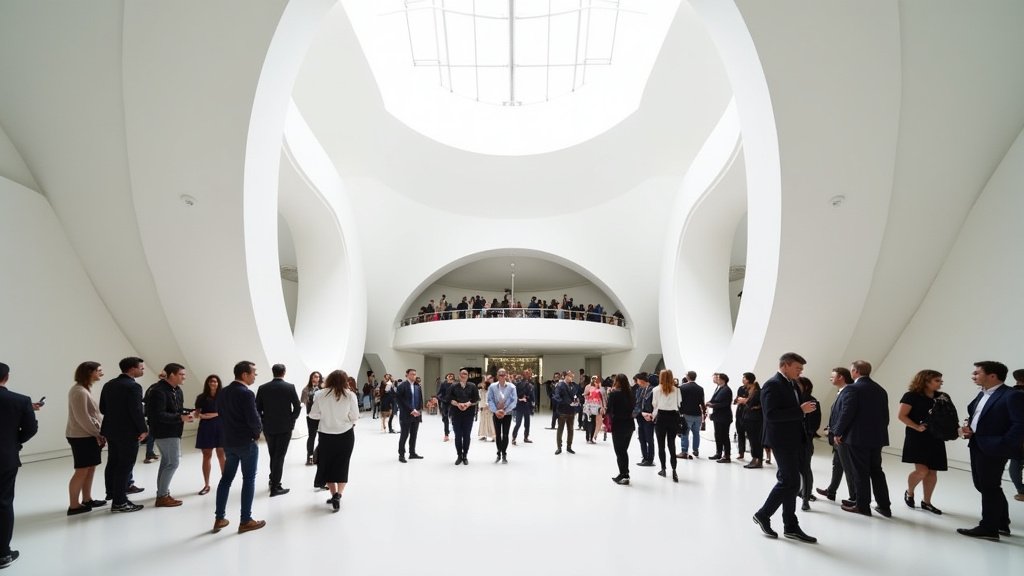
While racing dominates the conversation in early May, the city’s enduring cultural identity remains tethered to its avant-garde art scene. Superblue Miami, located in the Allapattah neighborhood, has become a critical stop for those looking to escape the intensity of the Grand Prix. The focus here is on “Post-Human” digital art, where light, mirror-work, and interactive algorithms react to the viewer’s presence. This represents a broader trend in Miami’s art market: the move away from the static, high-dollar auction house atmosphere toward experiences that are shareable, visceral, and technologically driven.
The Culinary Landscape: A Fusion of Tradition and Tech
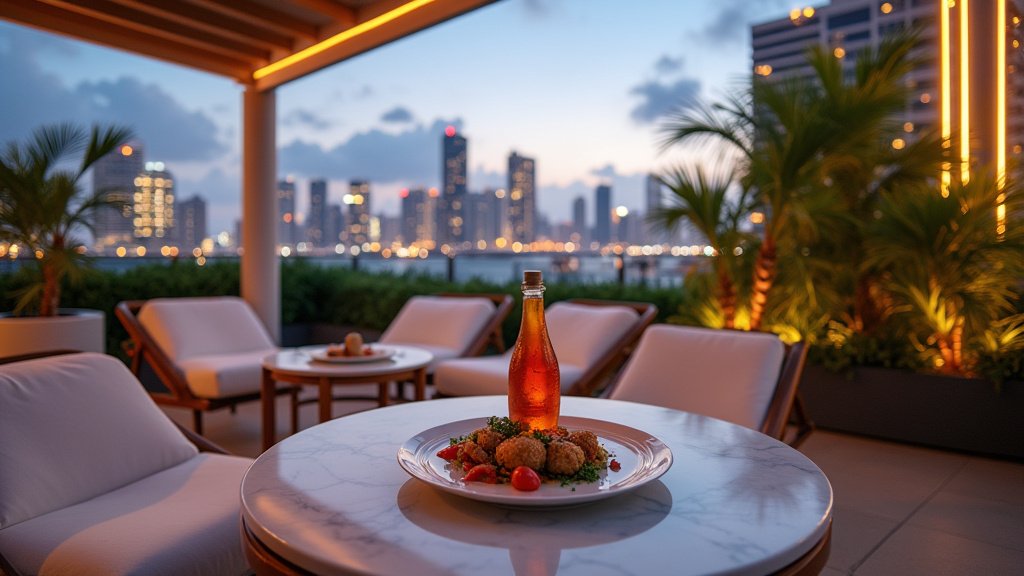
Miami’s food scene in 2026 is unrecognizable compared to the early 2020s. The influx of tech-sector transplants and global investors has pushed local restaurateurs to innovate at a pace that rivals New York or London. Little Havana, while keeping its traditional roots, has seen a wave of “new-wave” Cuban cuisine that respects the legacy of cafecito while introducing hyper-local, sustainable sourcing. In the Design District, high-end dining has become an extension of the high-fashion retail environment. Reservations in May are essential, particularly for the rooftop venues that capitalize on the breezy, pre-humidity climate.
Secondary Angles: The Mechanics of a Global Hub
1. The Climate-Economy Nexus
One of the most discussed topics behind the scenes at the May 2026 events is the “climate-adaptation economy.” Miami is increasingly positioning itself as a leader in climate-resilient urbanism. Major developers are now integrating “soft infrastructure”—such as permeable landscapes and advanced water management systems—directly into the venues hosting these global events. For the visitor, this means the city is more walkable and “park-connected” than ever before. It is a subtle but critical shift in the city’s branding: Miami is not just a party town; it is an engineered, modern metropolis.
2. The Infrastructure Effect
Looking at the long-term impact of the F1 race and the influx of major events, the city’s public transportation has seen a forced acceleration in development. The connection between Miami Gardens (where the Grand Prix is held) and the Downtown core has undergone significant testing to manage the “event surge.” This creates a blueprint for how the city plans to host even larger spectacles, such as upcoming World Cup matches in 2026. The F1 weekend acts as a stress test for the city’s capacity to host global crowds.
3. Historical Cultural Migration
Finally, the character of Miami’s May population is shifting. Historical trends showed a seasonal departure, but the current data suggests a rise in “extended stay” tourism. Visitors are no longer coming for a 48-hour weekend; they are booking 10-day residencies, bridging the gap between the racing fervor of the first week and the patriotic celebration of Memorial Day. This shift is fueling a different type of hospitality, one that demands more residential-style luxury—apartments with kitchenettes, co-working spaces, and concierge services that cater to the “work-from-anywhere” demographic.
FAQ: People Also Ask
Q: What should I pack for Miami in May?
A: Expect temperatures in the low 80s°F (27-29°C). The weather is warm but typically pre-dates the heavy daily rains of late summer. Pack breathable, lightweight fabrics—think linen and cotton. Because May in Miami is increasingly formal during major event weekends, include “smart-casual” evening wear for the city’s high-end dining scene.
Q: How do I best navigate the city during the Formula 1 weekend?
A: Traffic is notoriously heavy around Hard Rock Stadium. If you are not staying within walking distance or a short shuttle ride, the Brightline train service remains the most efficient way to navigate the spine of the city. Book your shuttle passes well in advance, as rideshare availability becomes extremely limited during peak race times.
Q: Is Memorial Day weekend too crowded for a relaxing beach trip?
A: It depends on the beach. South Beach will be high-energy and packed due to the Hyundai Air & Sea Show. For a quieter experience, look toward Crandon Park on Key Biscayne or the northern sections of Bal Harbour, which tend to draw a more local, relaxed crowd even during the holiday weekend.
Q: Are there any “must-see” cultural events beyond the racing?
A: Yes, the Immersive Space Symphony and the ongoing exhibitions at the Pérez Art Museum Miami (PAMM) provide a quieter, air-conditioned reprieve. Also, keep an eye on the Wynwood area for pop-up galleries that often coincide with the high-traffic weeks of early May.