The year 2026 marks a pivotal moment for international tourism in the United States, with a confluence of major global events and strategic tourism initiatives driving an unprecedented influx of visitors. Leading the charge are four of America’s most iconic cities: New York, Los Angeles, Miami, and Orlando. Together, these destinations are set to welcome over 20 million international travelers, underscoring a powerful recovery and expansion of the US travel industry. The national forecast paints an even more ambitious picture, with projections aiming for 85 million international arrivals by the close of 2026, a figure that not only surpasses pre-pandemic levels but also sets a new benchmark for American tourism.
Miami’s Global Ascendancy: Beyond Gateway to Luxury Destination
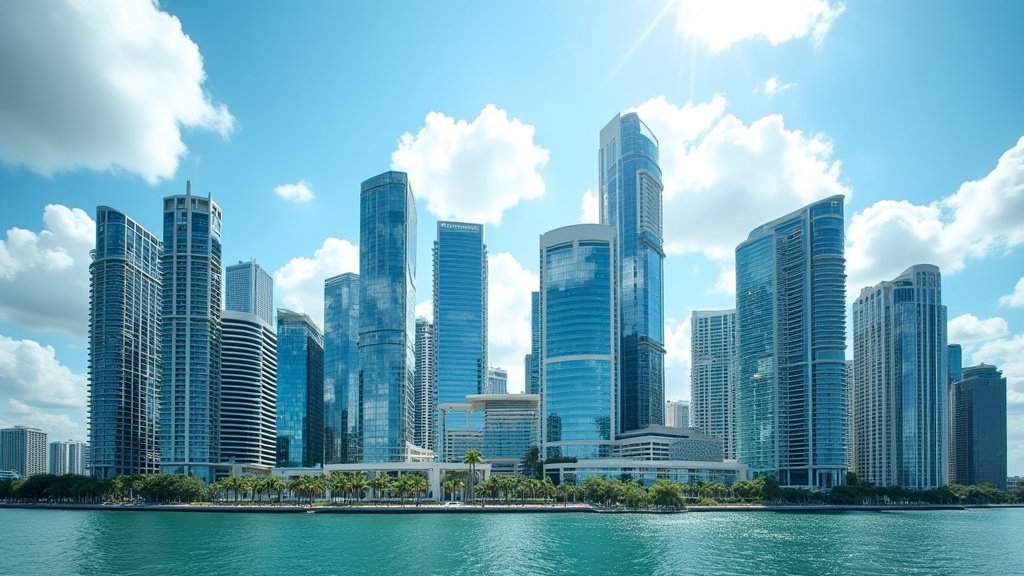
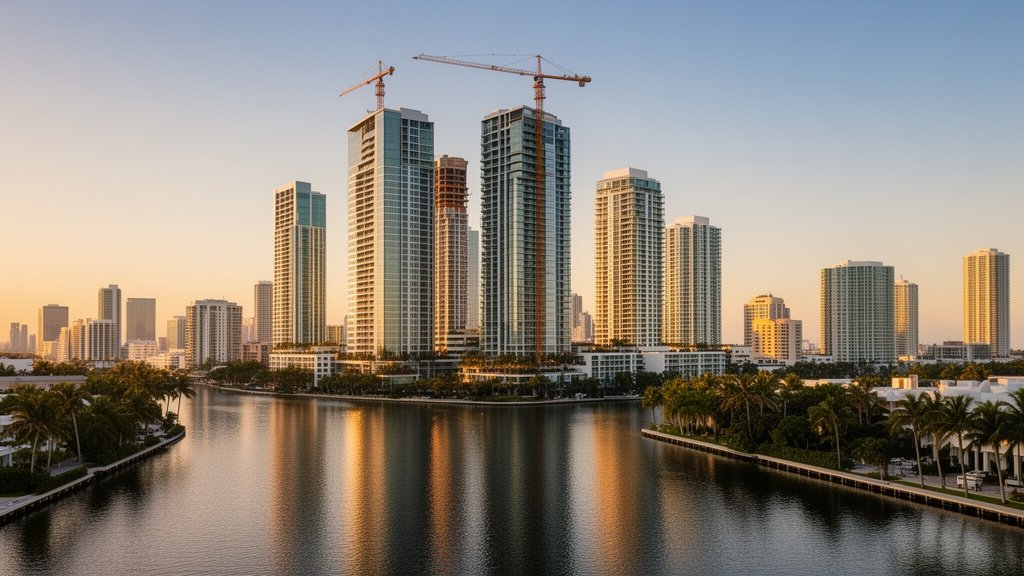
Miami, in particular, has solidified its position as a premier global destination, emerging as the nation’s second most visited city. By July 2026, the city is expected to have hosted over 5.2 million international visitors. This remarkable achievement transcends its historical role as a primary gateway for travelers from Latin America and the Caribbean. Miami has successfully cultivated a global luxury appeal, drawing in discerning visitors from Europe and the Middle East. This transformation is fueled by its world-renowned vibrant nightlife, rich Art Deco heritage, pristine beaches, and a rapidly expanding technology and finance sectors. The city’s dynamic blend of culture, entertainment, and economic opportunity has created a unique draw for a diverse international clientele.
The Catalysts of Growth: Events, Air Travel, and Data Innovation
Several key factors are synergistically contributing to this tourism renaissance. The global spectacle of the FIFA World Cup 2026, hosted across several US cities, is a significant magnet for international fans and media. Concurrently, the America250 celebrations, marking a historic milestone for the nation, and the centennial of the iconic Route 66, are drawing considerable global interest. Beyond these marquee events, a strategic focus on enhancing air connectivity has been crucial. Airlines have expanded routes and increased flight frequencies to major US hubs, making travel more accessible and convenient. Complementing these efforts are ambitious “Visit” campaigns, designed to showcase the best of American travel experiences to a global audience. Furthermore, the establishment of new tourism data partnerships is revolutionizing how destinations understand and cater to international visitors. These partnerships provide invaluable insights into traveler behavior, preferences, and economic impact, enabling more targeted and effective tourism strategies.
New York City’s Enduring Appeal and Evolving Tourism Landscape
New York City continues its reign as a top-tier international destination, consistently attracting a significant share of global visitors. Its status as a partner market alongside Los Angeles, Miami, and Orlando highlights a coordinated effort to maximize the benefits of increased international travel. The city’s unparalleled offerings, from world-class museums and theaters to iconic landmarks and diverse culinary scenes, ensure its perpetual draw. The expansion of air connectivity directly benefits New York, facilitating easier access for millions of international tourists. The city’s participation in broader national tourism campaigns amplifies its global presence, reinforcing its image as a must-visit destination. The integration of new tourism data partnerships also allows New York to refine its strategies, ensuring it remains at the forefront of international travel trends and visitor satisfaction.
Orlando and Los Angeles: Pillars of Diversified American Tourism
Orlando, renowned for its world-class theme parks and family entertainment, continues to be a critical hub for international tourism, particularly for families seeking leisure and adventure. Its appeal extends beyond theme parks to include a growing array of attractions and resorts. Similarly, Los Angeles, a global epicenter of entertainment and culture, capitalizes on its diverse attractions, from Hollywood allure to its extensive coastline and cultural institutions. Both cities benefit immensely from improved air connectivity and are active participants in national and international marketing efforts. The data insights gleaned from new partnerships enable these cities to tailor their offerings to the evolving demands of the international market, ensuring sustained growth and visitor engagement in a competitive global landscape.
FAQ: People Also Ask
Q1: What are the main events driving international tourism to the US in 2026?
A1: The primary drivers include the FIFA World Cup 2026, the America250 celebrations, and the centennial of Route 66.
Q2: Which US cities are expected to receive the most international visitors in 2026?
A2: New York, Los Angeles, Miami, and Orlando are projected to welcome over 20 million international visitors collectively.
Q3: How is Miami evolving as a tourist destination?
A3: Miami is transforming from a regional gateway into a global luxury destination, attracting European and Middle Eastern visitors with its nightlife, Art Deco history, beaches, and growing tech and finance sectors. It is also the second most visited city nationally.
Q4: What is the overall projection for international tourism in the US by the end of 2026?
A4: The US tourism industry is projected to reach 85 million international arrivals by the end of 2026, surpassing pre-pandemic levels.
Q5: What role do air connectivity and data partnerships play in the current tourism boom?
A5: Expanded air connectivity makes travel more accessible, while new tourism data partnerships provide crucial insights for strategic planning and visitor engagement, enabling a more targeted and effective approach to boosting tourism.