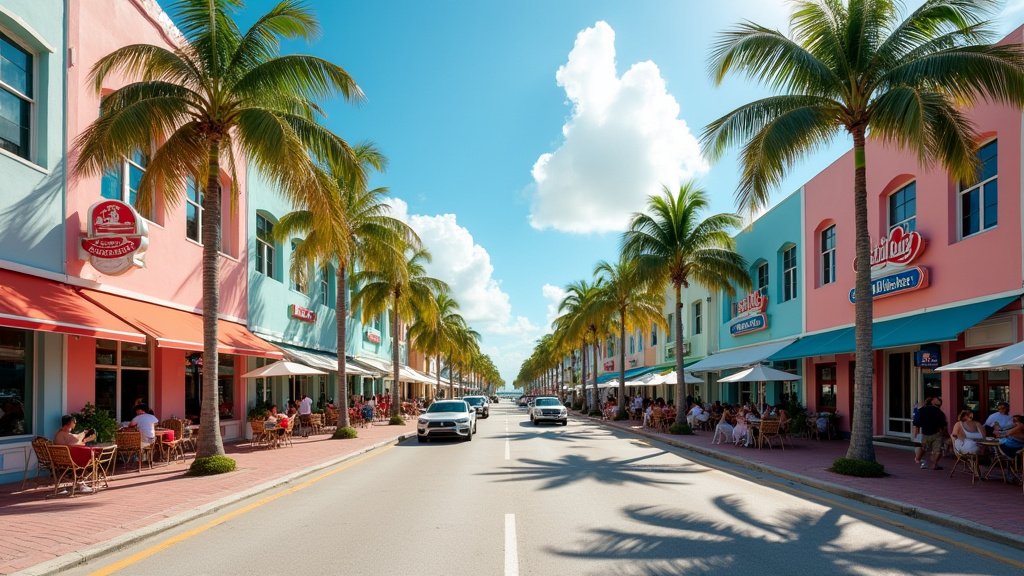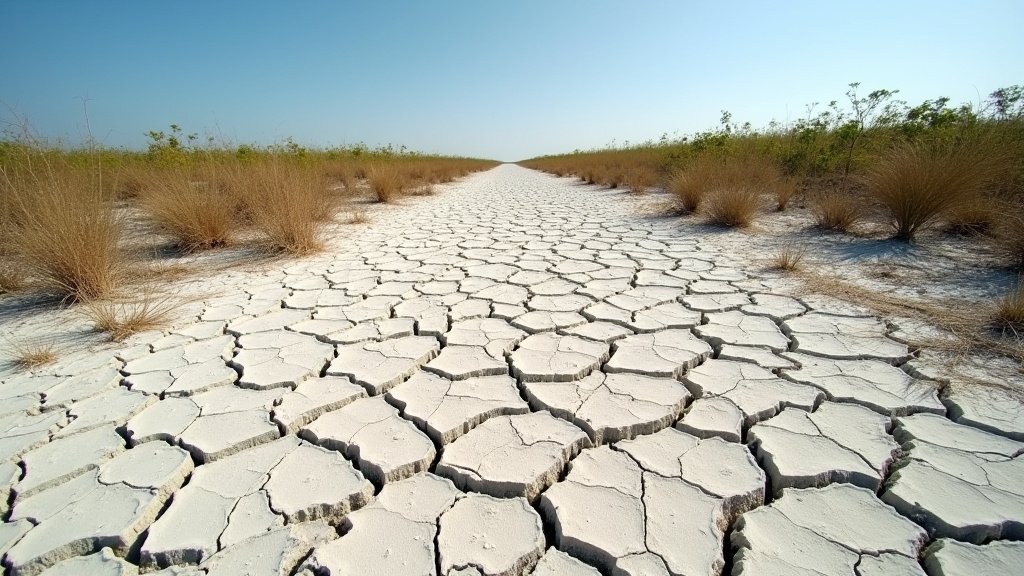
Florida is currently confronting one of the most severe hydrological challenges in recent history, as data confirms that 97% of the state is officially experiencing drought conditions. For the residents of Miami and the surrounding South Florida metropolitan area, the situation has become particularly acute, with official meteorological reports highlighting a significant rainfall deficit through the first seven months of 2026. This prolonged dry spell, driven by complex atmospheric shifts and record-breaking high temperatures, has triggered immediate concern from state water managers and local officials regarding the stability of the regional water supply and the long-term ecological health of the Everglades.
Key Highlights
- 97% of Florida’s total landmass is currently classified under drought conditions by the U.S. Drought Monitor, with significant portions of South Florida in ‘severe’ or ‘extreme’ categories.
- Miami’s rainfall data for January through July 2026 reveals a historic deficit, falling significantly below the 30-year climatological average for the region.
- The South Florida Water Management District (SFWMD) has initiated conservation oversight, warning that the Biscayne Aquifer—the primary drinking water source for millions—could face pressure if the dry trend continues.
- Agricultural losses are mounting, particularly within the citrus and sugarcane sectors, which are struggling to maintain irrigation demands amidst the restricted flow of fresh water.
- The National Weather Service (NWS) Miami office indicates that high-pressure ridges have effectively blocked the typical moisture transport mechanisms that usually alleviate summer heat with consistent thunderstorm activity.
The 2026 Hydrological Crisis: Analyzing the Deficit
The current drought conditions across Florida represent a compounding issue rather than an isolated weather event. Meteorological analysis indicates that the lack of precipitation is not merely a result of sporadic dry weeks, but a systemic failure of the seasonal weather patterns typically expected during the first half of the year. In Miami, the rainfall deficit observed from January to July 2026 has forced urban planners and utility providers to re-evaluate their reliance on surface water storage, which is currently at levels significantly lower than those recorded in 2025.
The Atmospheric Drivers
Experts at the National Weather Service (NWS) attribute this persistent aridity to a stable, mid-level high-pressure ridge that has effectively “parked” over the Florida peninsula. This atmospheric feature acts as a barrier, preventing the formation of deep convectional storms—the daily, localized thunderstorms that usually provide the bulk of South Florida’s summer rainfall. Without these daily cycles, the evapotranspiration rates have accelerated, further drying out the soil and increasing the demand on municipal reservoirs.
Impact on the Biscayne Aquifer
The Biscayne Aquifer is the lifeblood of South Florida, providing potable water to millions. However, the aquifer is highly susceptible to the effects of prolonged drought. As fresh water levels in the aquifer decline due to the lack of recharge from rain, the pressure that keeps saltwater at bay is reduced. This creates an increased risk of saltwater intrusion, a phenomenon where saline water from the ocean pushes inland, contaminating the freshwater supply. The South Florida Water Management District (SFWMD) is currently monitoring salinity levels at key inland wells with heightened urgency.
Agricultural Vulnerability and Economic Fallout
While the urban impact is immediate, the agricultural sector is suffering a slow-motion catastrophe. Florida’s agricultural economy, anchored by citrus, vegetables, and sugarcane, relies heavily on consistent water access. The current drought has forced the Florida Department of Agriculture to coordinate with farmers to implement rigorous water-saving techniques. However, for many growers, the cost of supplemental irrigation is rising, and yields are projected to decline by double-digit percentages if the precipitation deficit is not rectified by the end of the hurricane season, which has remained largely inactive in terms of rainfall delivery for the region thus far in 2026.
Future Outlook and Mitigation Strategies
As the state moves into the latter half of 2026, the priority shifts to conservation and long-term water management resilience. Municipalities are reviewing emergency water conservation ordinances that may limit lawn irrigation, car washing, and other non-essential water uses. The SFWMD continues to manage water control structures to optimize storage in Lake Okeechobee, balancing the needs of the environment with the demands of the human population. The consensus among climatologists is that the region needs sustained, soaking rainfall events rather than scattered, high-intensity storms to effectively replenish the water table and reverse the drought-induced soil moisture deficit.
FAQ: People Also Ask
Q: What specific data indicates that Miami is in a significant rainfall deficit?
A: Official data from the National Weather Service (NWS) Miami station compares the cumulative rainfall for the first seven months of 2026 against the 30-year climatological average. Current measurements show the city has received only a fraction of its expected precipitation, with the deficit widening as daily expected thunderstorm activity has failed to materialize.
Q: Is the 97% drought statistic for Florida common?
A: No, 97% of the state being under drought conditions is an extreme anomaly. While Florida frequently experiences pockets of dry conditions, particularly during the winter months, such widespread coverage during the traditionally wetter summer months is indicative of a major meteorological event.
Q: How does this drought impact the Everglades?
A: The Everglades relies on a precise hydro-period, or the duration of time that water stands on the land. A lack of rainfall reduces this period, leading to the drying out of marshes, which increases the risk of wildfires and damages the habitats of endemic species, while also allowing saltwater intrusion into the estuarine areas of the park.
Q: Should residents expect water rationing soon?
A: While many municipalities have encouraged voluntary conservation, mandatory water rationing is determined by local utility providers and the SFWMD based on aquifer levels and storage metrics. If the drought persists through the third quarter of 2026, the likelihood of implementing Phase 1 water restrictions increases significantly.