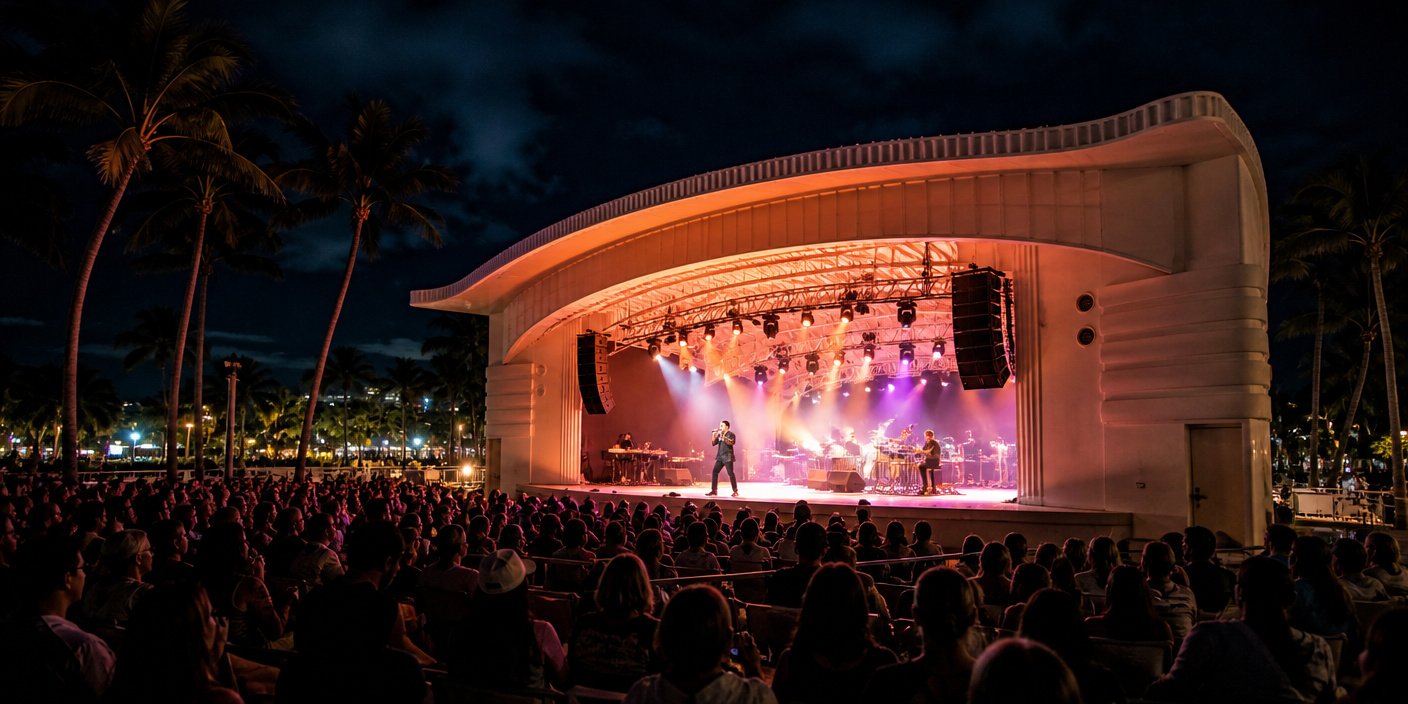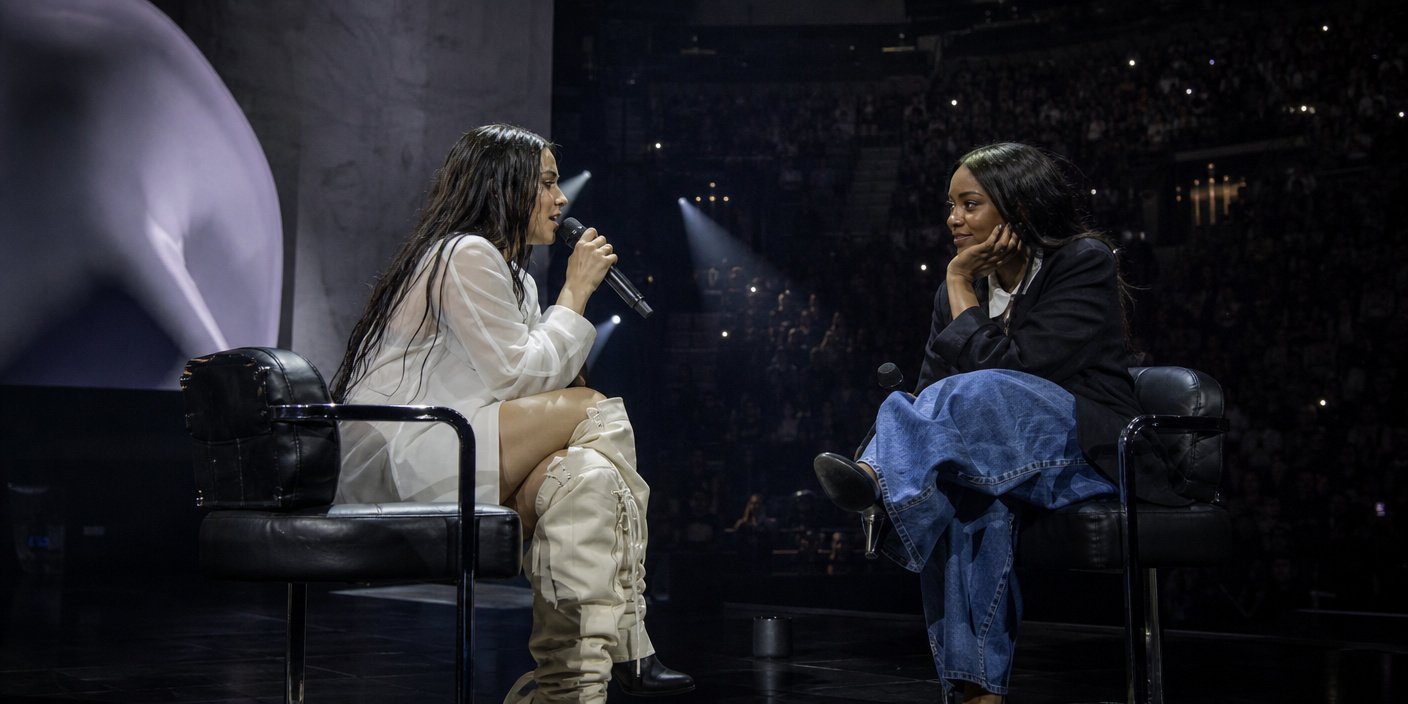
In a night defined by high-octane spectacle and raw vulnerability, international superstar Rosalía brought the curtain down on her massive 60-show global ‘LUX Tour’ with a final, standing-room-only performance in Miami. The evening served as a culminating moment for what has been one of the most artistically daring concert circuits in recent years, concluding with a tearful farewell that resonated with thousands of fans and a viral-worthy cameo by Emmy-winning actress Ayo Edebiri, who participated in the tour’s signature ‘confessional’ segment.
Key Highlights:
- Total Scope: The performance marked the 60th and final show of a grueling, sold-out global tour that redefined live pop performance.
- Celebrity Guest: Actress Ayo Edebiri made a surprise appearance, engaging in the tour’s recurring, meta-theatrical ‘confessional’ segment.
- Emotional Climax: Rosalía delivered a tearful goodbye to her fans, acknowledging the exhaustion and ecstasy of the multi-continent trek.
- Production Scale: The LUX Tour represents a benchmark in production design, blending intimate acoustic moments with hyper-pop stage engineering.
The Final Note of the LUX Tour
The air inside the Miami arena on the final night of the LUX Tour was thick with anticipation. As Rosalía took the stage for the 60th time, the weight of a massive global itinerary was palpable. The LUX Tour has not merely been a collection of concerts; it has been a masterclass in modern stagecraft, where the artist navigates the space between high-art performance and fan-driven intimacy. The Miami date was selected as the perfect bookend for a tour that frequently explored themes of global culture, fame, and personal identity. By the time the final chords of her closing song faded, the emotion in the room was not just a product of the spectacle, but a genuine acknowledgment of the journey completed.
The Meta-Artistry of the ‘Confessional’
One of the most distinct elements of the LUX Tour was the recurring ‘confessional’ segment, a bit that challenged the traditional barrier between performer and audience. In this segment, the stage would transform into a space resembling an interview or a private consultation, often featuring collaborators or cultural figures. Bringing Ayo Edebiri onto the stage for this final installment was a stroke of genius that bridged the gap between the music industry and the broader pop-culture zeitgeist. Edebiri, known for her sharp wit and improvisational skills, fit seamlessly into the segment’s unique tonal shift. This moment underscored the tour’s commitment to self-reflection and humor, proving that even within a grand, stadium-scale production, Rosalía prioritizes human connection and breaking the ‘fourth wall’ of celebrity.
Contextualizing the Tour’s Success
The LUX Tour stands out in a post-pandemic concert landscape where artists are increasingly pressured to deliver high-concept shows. Rosalía’s approach was notably stripped back in its focus on the performer’s vocal agility and physical movement, rather than relying solely on pyrotechnics or massive LED displays. By prioritizing her own presence, the production highlighted a shift in how pop stars are framing their live identity. Historically, we have seen major artists pivot toward maximalist production, but this tour successfully argued for a different path—one that balances the grand scale of global touring with an intense, almost claustrophobic intimacy.
Economic and Industry Implications
The logistical orchestration required to execute a 60-show global tour of this magnitude is staggering. From international travel constraints to the coordination of technical crews across varying time zones, the LUX Tour represents a significant achievement in modern event management. Economically, the tour’s success serves as a case study for mid-to-high-tier global pop tours that prioritize a strong, specific aesthetic vision. By keeping the creative direction tight and the touring party focused on a singular artistic narrative, the production managed to maintain consistent quality control from the first date to the last. This discipline is likely to influence how future artists approach their own multi-city, multi-continent campaigns, emphasizing quality and narrative over sheer size.
The Path Forward: Defining the Post-Tour Era
As the lights dimmed in Miami, the question on the minds of industry analysts and fans alike is: what follows the LUX era? A 60-show cycle is an exhausting endeavor that often serves as a creative clearinghouse for an artist. Rosalía, who has consistently pushed the boundaries of Latin pop and global experimental music, is now perfectly positioned to synthesize the experiences of this tour into her next creative chapter. Whether she leans further into the avant-garde or pivots toward a new sound, the LUX Tour has firmly cemented her status not just as a singer, but as an architect of the modern live music experience.
FAQ: People Also Ask
Q: How many shows did the LUX Tour consist of?
A: The LUX Tour concluded with a total of 60 shows worldwide, spanning various continents and major urban centers.
Q: Why was Ayo Edebiri involved in the final performance?
A: Ayo Edebiri participated in the tour’s ongoing ‘confessional’ segment, a recurring, meta-theatrical element of the show where Rosalía engaged with different public figures in a simulated interview setting.
Q: What was the significance of the Miami finale?
A: Miami served as the finale due to its cultural significance in the Latin music industry and its role as a key hub for global pop culture, providing an ideal, high-energy environment to close the 60-show run.
Q: Does the ‘confessional’ segment imply a shift in Rosalía’s artistic direction?
A: The ‘confessional’ segment suggests a move toward more experimental, performance-art-influenced live shows, prioritizing direct engagement with the audience and breaking traditional concert tropes.