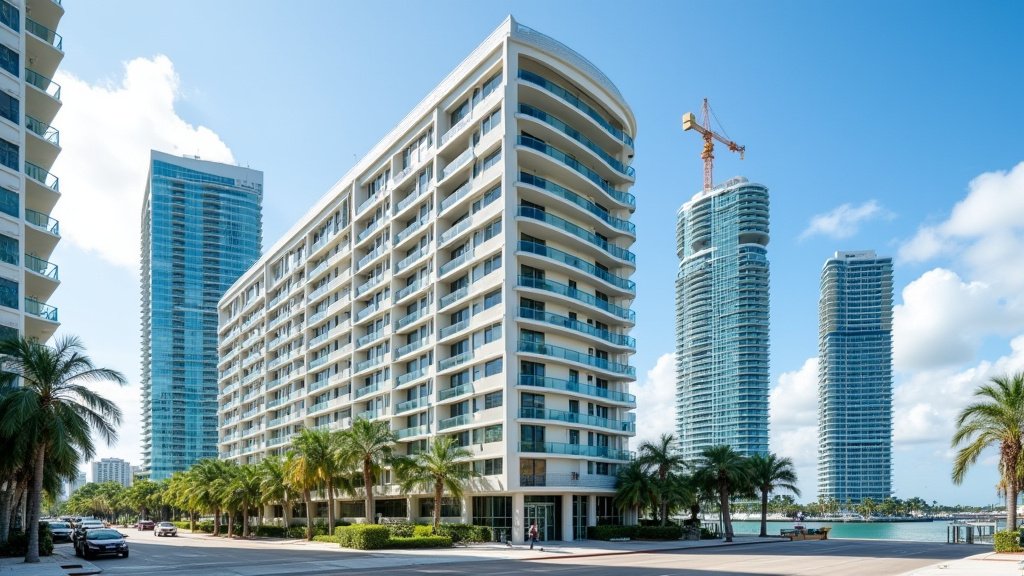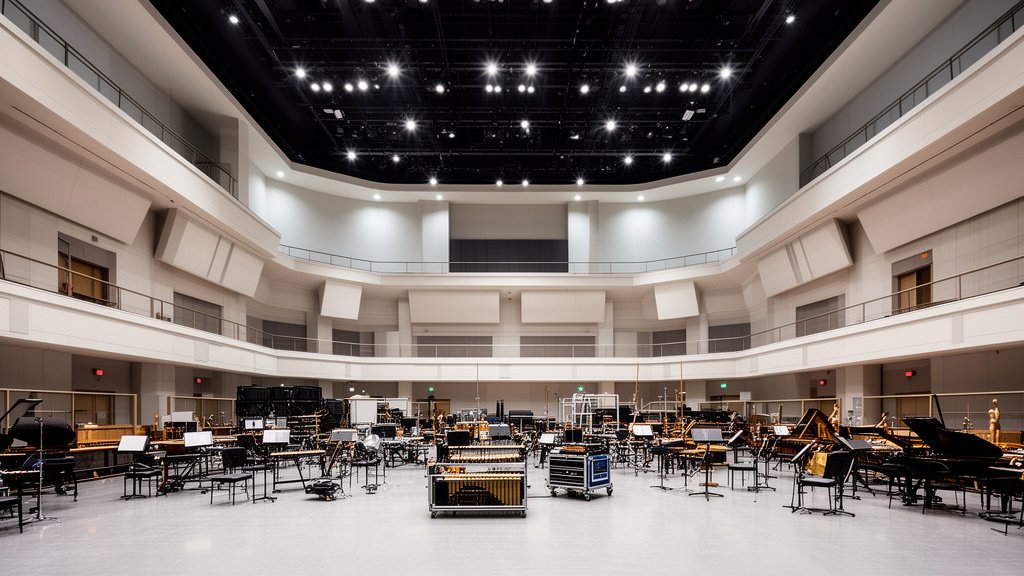
The Adrienne Arsht Center for the Performing Arts is set to undergo a critical $500,000 modernization of its core building management system (BMS), a move designed to enhance operational efficiency, energy sustainability, and the overall environmental control within the sprawling Miami cultural complex. The project, which is being funded through a perfectly balanced cost-sharing partnership between the Performing Arts Center Trust—the entity that operates the venue—and the Florida Department of State’s Division of Arts and Culture, represents a pivotal investment in the longevity of South Florida’s premier performing arts institution.
Key Highlights
- Project Scope: A $500,000 capital improvement dedicated specifically to the facility’s Building Management System (BMS).
- Funding Structure: The cost is split equally, with 50% provided by the Performing Arts Center Trust and 50% granted by the Florida Department of State’s Division of Arts and Culture.
- Operational Goal: To increase energy efficiency, refine climate control for delicate staging environments, and ensure long-term mechanical reliability.
- Strategic Importance: The upgrade ensures the venue remains a competitive, world-class host for major touring Broadway productions, operas, and large-scale cultural events.
Modernizing Miami’s Cultural Crown: The Facility Overhaul
The Adrienne Arsht Center, as a massive architectural and cultural entity, relies on complex, centralized mechanical systems to function. A Building Management System (BMS) acts as the ‘nervous system’ of such a structure, governing everything from HVAC (heating, ventilation, and air conditioning) to lighting schedules, humidity levels, and power distribution. In the climate of Miami, where humidity control is paramount to both patron comfort and the preservation of sensitive stage sets and musical instruments, a modern BMS is not just a utility—it is a critical requirement.
The Anatomy of the Upgrade
For a facility of this magnitude, the BMS manages thousands of data points across multiple performance halls, including the Ziff Ballet Opera House and the Knight Concert Hall. The $500,000 allocation will facilitate the transition to a more intuitive, automated, and responsive digital framework. By upgrading legacy hardware and software components, the technical team at the Arsht Center will gain the ability to conduct predictive maintenance. Instead of responding to mechanical failures after they occur, the system will allow for the analysis of performance data to identify inefficiencies, predict part wear-and-tear, and adjust energy consumption in real-time based on occupancy and performance schedules.
The Fiscal Partnership: A Model for Cultural Preservation
This initiative highlights the effectiveness of public-private cooperation in the arts. By splitting the funding burden equally between the Performing Arts Center Trust and the state’s Division of Arts and Culture, both entities are demonstrating a commitment to safeguarding cultural assets. For the state, this investment is not merely about mechanical upgrades; it is about ensuring that the Arsht Center remains a viable economic engine for the Miami-Dade region. Major touring productions often have stringent environmental requirements for their sets, and venue infrastructure must be up to code to secure these prestigious bookings.
Future-Proofing for Sustainability
Beyond immediate operational needs, this investment aligns with broader sustainability goals. Efficient BMS operation is one of the most effective ways to lower the carbon footprint of large public venues. Through better automation, the Arsht Center can significantly reduce unnecessary energy expenditure during hours when theaters are dark or partially occupied. This aligns with modern trends in architectural management where sustainability is no longer an optional luxury but a core operational objective. As the city of Miami continues to grow as an international hub for the arts, ensuring that its flagship performance venue operates with peak efficiency is essential for long-term relevance.
Secondary Angles: The Path Forward
1. Infrastructure as Strategy: While often overlooked, ‘back-of-house’ technology is the silent partner to every successful performance. This upgrade demonstrates how venue management is increasingly driven by data science and engineering.
2. The Economic Multiplier: By securing funding for physical improvements, the center mitigates the risk of downtime caused by system failures, thereby protecting the revenue stream generated by high-profile cultural events.
3. Venue Longevity: As the Arsht Center ages, the necessity for cyclic capital improvements becomes more acute. This grant underscores the proactive approach the Trust is taking to avoid the ‘deferred maintenance’ trap that has plagued many older cultural institutions.
FAQ: People Also Ask
Q: What is the primary purpose of the $500,000 upgrade at the Adrienne Arsht Center?
A: The funding is specifically dedicated to upgrading the facility’s Building Management System (BMS), which controls essential infrastructure like HVAC and energy distribution, to improve efficiency and reliability.
Q: Who is paying for this project?
A: The cost is being shared equally (50/50) between the Performing Arts Center Trust, which manages the center, and the Florida Department of State’s Division of Arts and Culture.
Q: Will this upgrade affect visitors or scheduled performances?
A: The goal of such infrastructure upgrades is typically to improve environmental comfort and ensure seamless operation. Work will be phased to minimize disruption to the center’s active performance schedule.
Q: Why is a BMS important for a performing arts center?
A: A BMS is critical for maintaining precise temperature and humidity levels, which is necessary not only for audience comfort but also for the preservation of delicate acoustic instruments and elaborate theatrical stage sets.