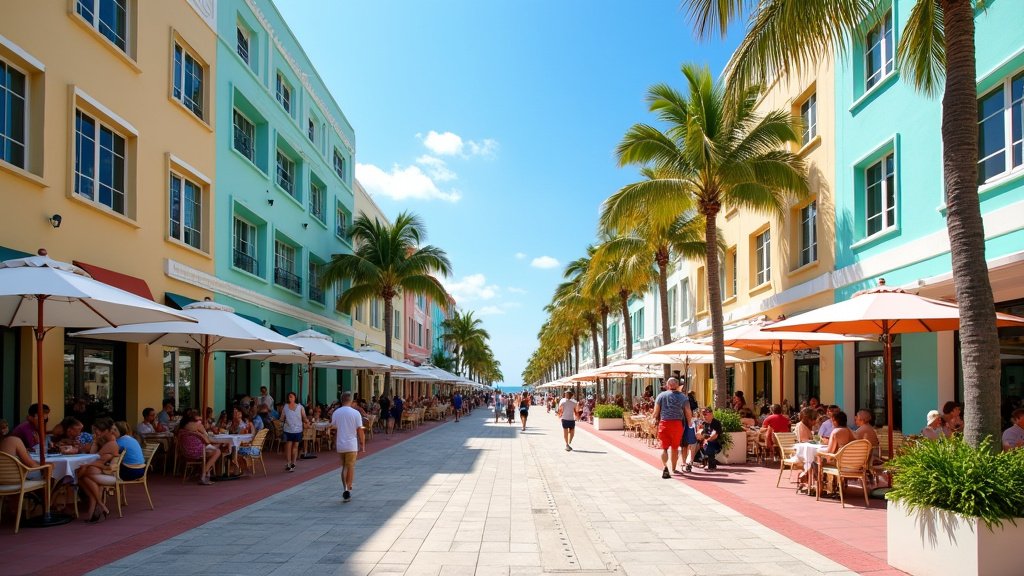
Miami Beach officials have officially greenlit a significant policy shift aimed at prioritizing pedestrian traffic over automobiles on the city’s most famous thoroughfare. Starting annually from the Thanksgiving holiday through the end of March, Ocean Drive will be closed to vehicular traffic. This strategic decision by the Miami Beach City Commission is designed to transform the district into a more walkable, visitor-friendly destination, reflecting a broader movement toward urban pedestrianization in major global tourist hubs. By restricting vehicles during the peak tourism season, the city hopes to curb congestion, enhance public safety, and allow the historic Art Deco district to function as a vibrant, open-air promenade.
Key Highlights
- Seasonal Timeline: The vehicular restriction on Ocean Drive will take effect annually, beginning at Thanksgiving and continuing through March, capturing the city’s busiest tourism months.
- Strategic Objective: The initiative aims to enhance the “walkability” of the iconic thoroughfare, mitigating the safety risks associated with high-density crowds and vehicular traffic in the Art Deco District.
- Urban Transformation: The move represents the most significant step yet in Miami Beach’s long-standing effort to transition its primary tourist corridor from a car-dominated street into a pedestrian-first lifestyle hub.
- Scope: The restrictions apply to the heart of the district, where the highest concentration of historic hotels, restaurants, and nightclubs operate, necessitating a shift in delivery logistics and resident access.
The Strategic Evolution of Ocean Drive: A New Era for the Art Deco District
The decision to implement a seasonal shutdown of Ocean Drive is not merely a traffic management solution; it is a fundamental reimagining of how visitors and locals experience the world-famous Art Deco District. For decades, Ocean Drive has served as a chaotic nexus of high-end tourism, nightlife, and dense vehicular congestion. The commission’s approval of this periodic closure addresses long-standing complaints regarding noise, pedestrian safety, and the overall atmosphere of what is arguably Florida’s most recognizable street.
Prioritizing the Pedestrian Experience
Urban planners and local officials have long argued that the footprint of Ocean Drive, while historic, is ill-equipped to handle the high volume of foot traffic it receives during the winter season. By removing cars from the equation from Thanksgiving through March, the city is effectively turning the street into a massive, extended plaza. This allows hotels and restaurants to expand their outdoor footprint, encourages more relaxed foot traffic, and improves the overall ambiance of the strip.
From a safety perspective, the move is a direct response to the complications of mixing massive tourist crowds with moving vehicles. Proponents of the plan argue that eliminating the risk of traffic accidents and allowing for easier emergency vehicle access makes the area substantially safer. Furthermore, the reduction in exhaust fumes and engine noise contributes to a more elevated environment, helping the city maintain its status as a premier global travel destination.
The Economic and Logistical Ripple Effect
While the aesthetic and safety benefits are clear, the transition to a pedestrian-only zone during peak season brings complex economic and logistical challenges. Local businesses have expressed mixed reactions. For hospitality venues, the opportunity to utilize the street for expanded dining and entertainment is a potential boon. However, the loss of vehicle access requires significant logistical restructuring, particularly regarding delivery schedules and rideshare drop-off points.
The Miami Beach City Commission is currently developing protocols to ensure that hotels, residents, and businesses can still function during the closure periods. This includes designated access points for service vehicles and revised traffic patterns on adjacent streets to prevent bottlenecks. The success of this initiative will largely depend on the city’s ability to manage these operational shifts without detracting from the visitor experience.
Lessons from Global Urban Centers
Miami Beach is not alone in its pursuit of pedestrianization. The move mirrors trends observed in cities like Barcelona, Copenhagen, and New York City, where high-traffic areas have been reclaimed for public use. The “Europeanization” of the American city center is a growing trend, and Miami Beach is positioning itself as a leader in this transition within the United States.
The long-term vision involves a more permanent shift in how the city manages its space. By testing the waters with a seasonal restriction, the commission can gather valuable data on traffic flows, business revenue, and public sentiment before considering whether to expand the pedestrian-only window or make it a year-round reality. The data collected during this upcoming winter season will be instrumental in shaping the future of the district’s urban planning.
FAQ: People Also Ask
Q: When exactly will the Ocean Drive vehicle restrictions be in effect?
A: The restrictions are set to run seasonally, beginning at Thanksgiving and extending through the end of March every year. This period aligns with the peak winter tourism season in Miami Beach.
Q: What parts of Ocean Drive are affected by the new pedestrianization plan?
A: The plan focuses on the most active sections of Ocean Drive, primarily within the historic Art Deco District where the density of tourist foot traffic is highest.
Q: Will there be accommodations for business deliveries and hotel access?
A: Yes, the city is implementing logistical plans to allow for essential access. The Commission is coordinating with local stakeholders to ensure that delivery services and residential/hotel access remain functional despite the street closure.
Q: Is this a permanent, year-round pedestrian zone?
A: Currently, the plan is a seasonal measure. However, the success and impact of this initiative will be monitored, and it serves as a testing ground for potential future expansions or permanent changes to the district’s traffic management strategy.