As the humidity of August descends upon Miami, the city’s cultural temperature is rising in tandem. While headlines often fixate on the soaring costs of stadium tours and exclusive festivals, a parallel, more accessible narrative is unfolding in the Magic City. This August, Miami’s music scene is proving that high-caliber live entertainment doesn’t require a high-priced ticket. Whether you are a local resident looking to escape the summer heat or a visitor eager to tap into the authentic heartbeat of the city, the landscape of free concerts offers an unfiltered glimpse into the sounds that define South Florida. Leading the charge is the resurgence of curated, community-focused venues that prioritize artistic innovation over profit margins, making live music a public good once again.
Key Highlights
- The ZeyZey Experience: Electronic artist Bad Tuner headlines a standout series of free performances at ZeyZey, transforming the Little Haiti venue into a hub for experimental sounds.
- Accessibility First: Miami’s local music programming for August 2026 is intentionally designed to democratize access to high-fidelity live music, counteracting the broader trend of ticket inflation.
- Strategic Neighborhood Activation: Key cultural zones, including the Little Haiti district, are utilizing live music as a vehicle for neighborhood vibrancy and local economic stimulation.
The Pulse of the Magic City: Where Sound Meets Community
Miami has long been a complex interplay of high-gloss celebrity culture and gritty, underground creativity. In August 2026, the pendulum is swinging firmly toward the latter. The most compelling development in the city’s entertainment landscape is the deliberate shift toward open-access performance spaces. Venues are no longer just bars with stages; they are evolving into community anchors that treat music as a form of urban renewal. This shift is most visible at ZeyZey, a venue that has rapidly become the epicenter for the city’s forward-thinking music enthusiasts.
The ZeyZey Phenomenon: A New Standard
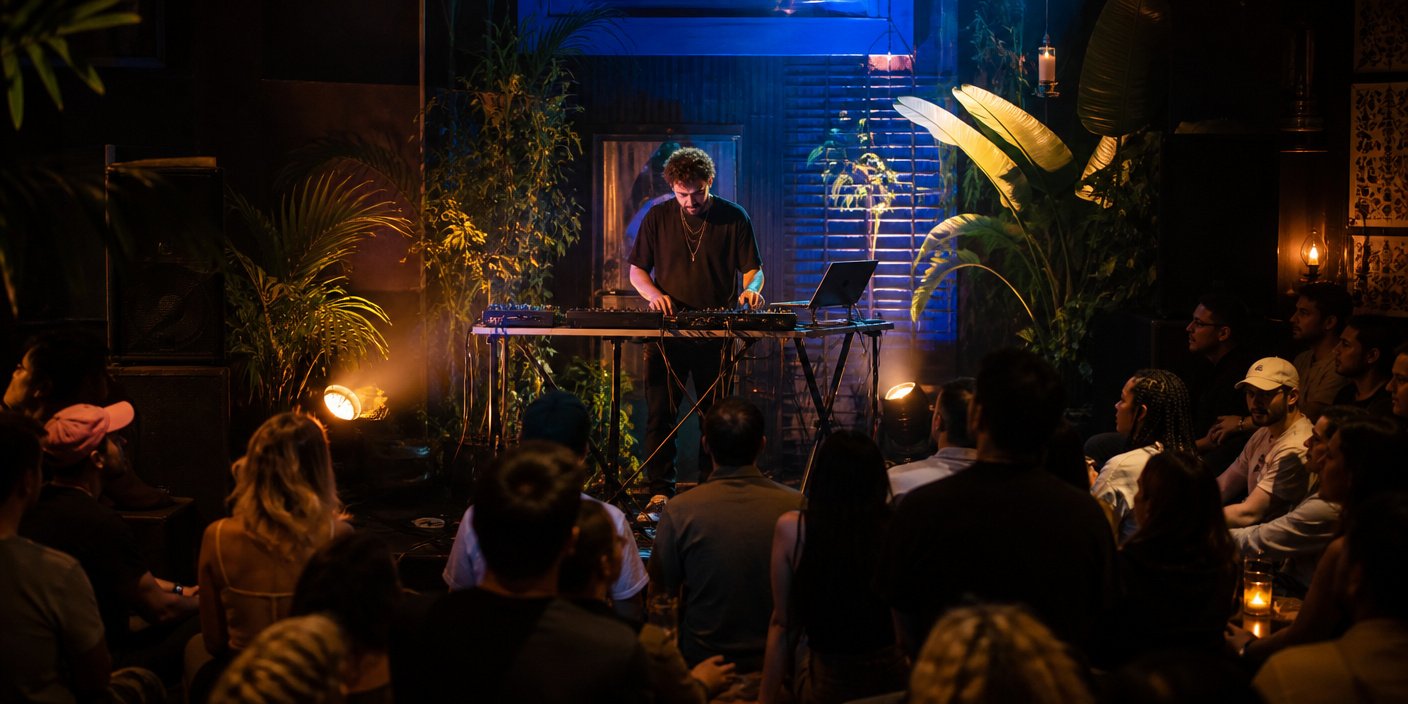
Located in the heart of the Little Haiti district, ZeyZey has become synonymous with the ‘no-entry-fee’ philosophy that is redefining the local scene. By eliminating the barrier of ticket costs, the venue creates a distinct social dynamic—one where the focus is entirely on the sonic experience rather than the transactional nature of the concert. The upcoming performance by Bad Tuner is emblematic of this shift. Bad Tuner, known for blending intricate electronic production with organic, danceable grooves, represents the precise caliber of artist that Miami’s local venues are now attracting. These performances are not just ‘gigs’; they are curated soundscapes that invite audiences to linger, engage, and connect with the music in an intimate environment that is increasingly rare in major metropolitan centers. The sound engineering at these venues is critical; by prioritizing acoustics over capacity, they ensure that every listener gets a front-row experience regardless of the crowd size.
Beyond the Stage: The Secondary Angles of Growth
To understand why this ‘free concert’ trend is gaining traction, one must look at the broader forces at play in Miami’s modern development.
1. The Experience Economy vs. Inflation:
With the national entertainment industry facing criticism for dynamic pricing and exorbitant service fees, Miami’s local scene is providing a necessary correction. By offering free performances, venues are capitalizing on the ‘experience economy’—an approach that prioritizes foot traffic, food and beverage sales, and brand loyalty over door revenue. This economic model is sustainable, proving that by reducing barriers, venues can actually increase their total economic footprint in the neighborhood.
2. Cultural Gentrification and Local Revitalization:
The role of venues like ZeyZey in the Little Haiti district cannot be overstated. By centering local artists and hosting high-profile talent in free-to-access slots, these venues act as a counterweight to the displacement often associated with rapid real estate development. They provide a cultural ‘anchor’ that validates the neighborhood’s historic artistic heritage while simultaneously inviting new audiences to experience the district’s authentic character. It is a delicate balance, but one that is essential for preserving Miami’s soul as the city continues its rapid expansion.
3. Future-Proofing Local Talent:
The long-term strategy for these free concert series is the cultivation of a robust ‘middle-class’ for artists. In a streaming-dominated world, musicians often struggle to build a local following that translates to ticket sales. By providing a platform for artists like Bad Tuner to perform in front of diverse, receptive crowds without the pressure of ticket sales, the city is effectively building a farm system for future superstars. The technology of live performance—custom lighting, synchronized visuals, and high-fidelity sound—is being utilized to create ‘moments’ that are sharable, social-media-ready, and memorable, ensuring that the local music scene remains competitive in an attention-based digital economy.
The Environmental & Technological Shift
It is also worth noting the logistical shift in how these concerts are executed. Unlike the sprawling, heat-intensive outdoor festivals of the past, August 2026’s concert offerings rely heavily on hybrid indoor-outdoor spaces. These venues utilize climate-controlled zones, advanced acoustic dampening, and efficient crowd-management tech to ensure the experience is comfortable despite the notorious Miami heat. The focus is on quality of sound, not just capacity of venue. For the attendee, this means less time standing in lines and more time immersed in the actual performance. This technical refinement is a direct response to the sophisticated tastes of the modern Miami concert-goer, who expects a ‘festival-level’ experience even in a small, localized setting.
FAQ: People Also Ask
Q: Are these free concerts really free, or are there hidden costs like drink minimums?
A: While most of these events are free to enter, venues like ZeyZey operate on a business model that relies on hospitality. While there is no ticket cost, attendees are encouraged to support the venue by purchasing drinks or food. It is always best to check the specific venue’s policy beforehand to see if there are any specific guidelines.
Q: How do I find the latest schedule for these free Miami concerts in August?
A: The best way to track these events is through the direct social media channels and email newsletters of the venues themselves, such as ZeyZey, and local cultural aggregator sites that focus on the Little Haiti and Wynwood music corridors. Real-time updates on artist lineups are often pushed 48-72 hours in advance.
Q: Does the ‘free’ status affect the quality of the artist performing?
A: Quite the opposite. In Miami’s current scene, free performances are often viewed as ‘prestige’ slots. Artists use these opportunities to test new material, build their local following, and create viral content, meaning the quality of performance is often as high, if not higher, than ticketed events where the artist might be tired from a long tour schedule.